Surf vs. Offshore Fishing: Best Choice for Anglers
Surf fishing and offshore fishing are both popular methods of fishing, each with its own unique characteristics and appeal. Understanding the key differences between the two can help you decide which method is best suited to your fishing preferences and goals. Let’s take a closer look at surf fishing and offshore fishing.
Key takeaways:
- Accessibility and Proximity to Shore: Surf fishing offers easy access to the shore compared to offshore fishing, making it suitable for beginners and those without access to boats or special equipment.
- Size and Type of Fish Caught: Offshore fishing typically allows for catching larger fish species like marlin and tuna, while surf fishing tends to focus on smaller species like bass and pompano.
- Equipment and Bait Used: While both require fishing equipment, offshore fishing often involves more specialized gear like deep-sea rods and reels, while surf fishing can be done with simpler tackle like spinning rods and baitcasting reels.
What is Surf Fishing?
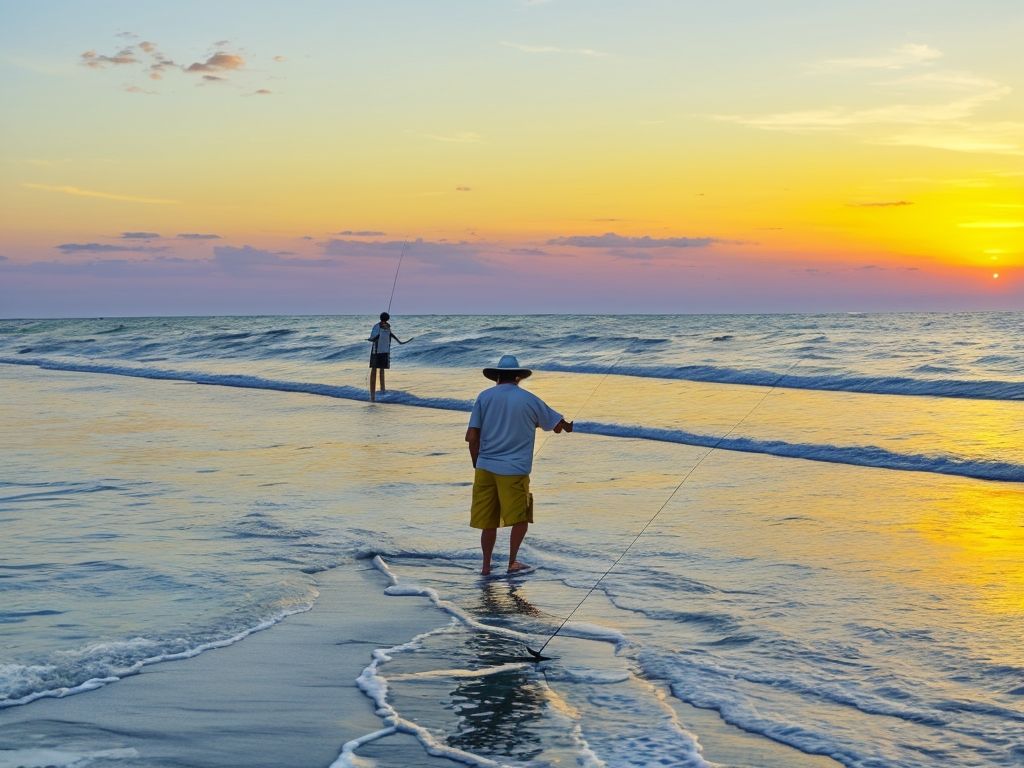
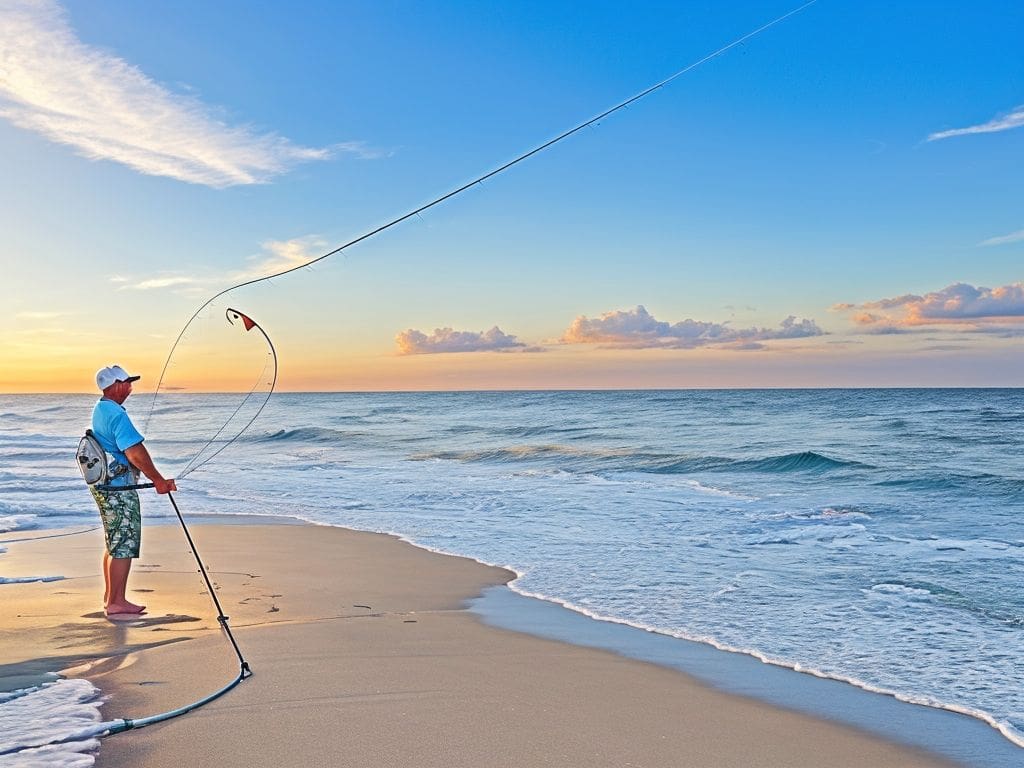
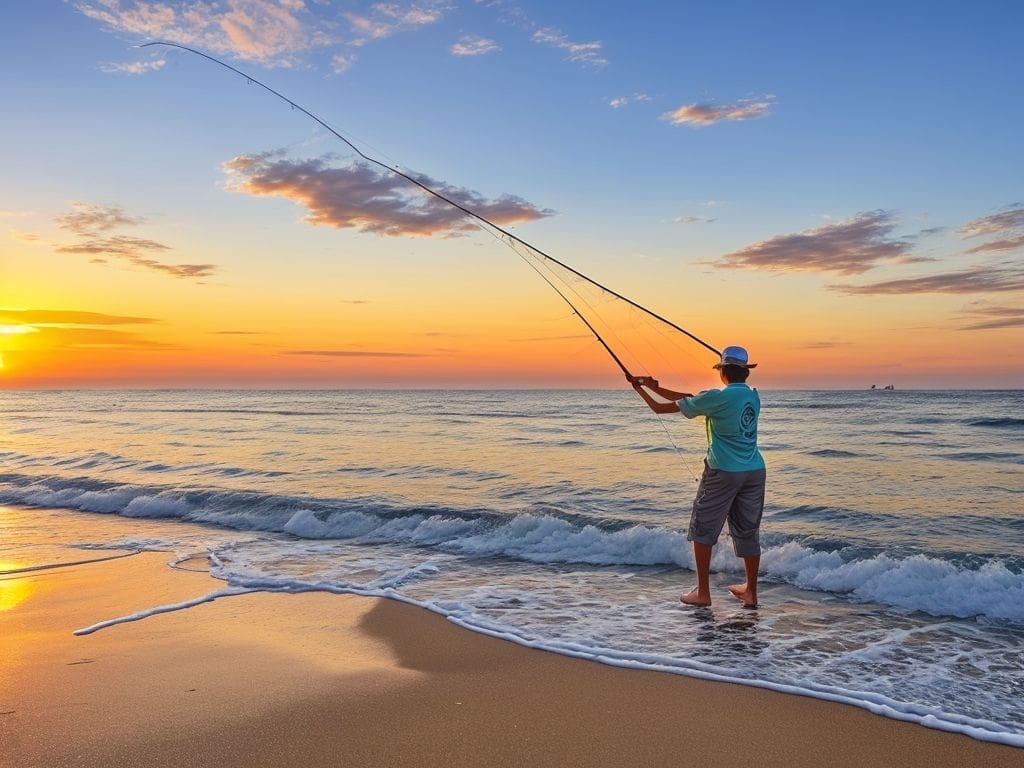
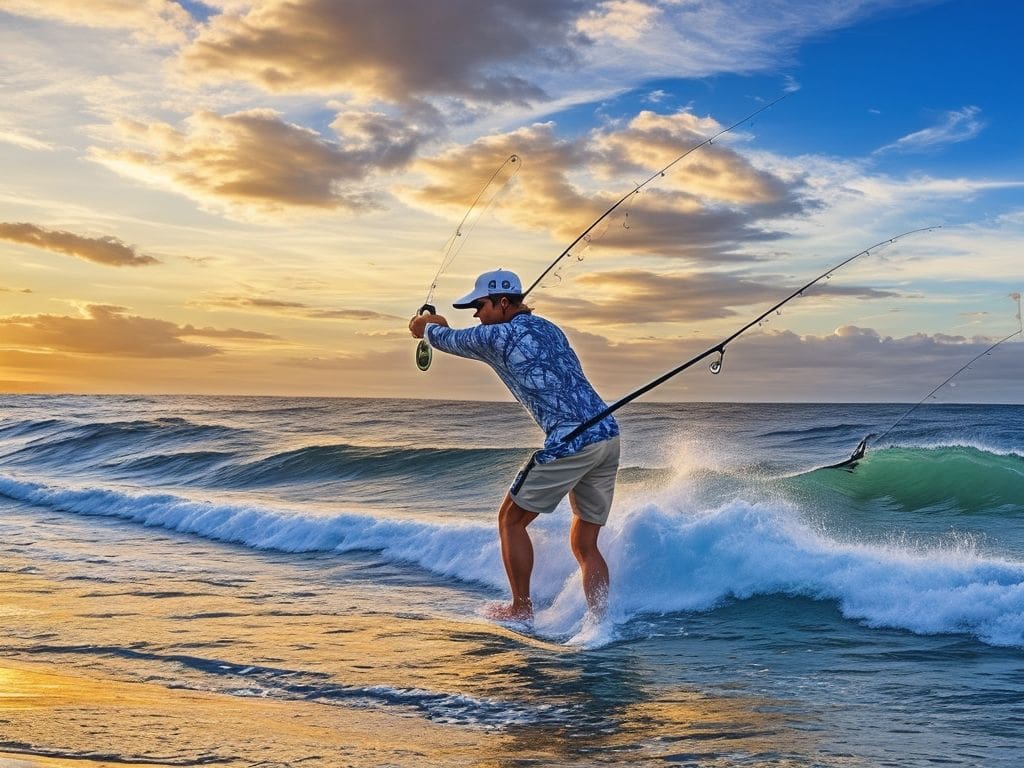
Surf fishing, also known as shoreline or shallow water fishing, is a fishing technique that targets fish species commonly found in coastal areas. Anglers engage in this activity by casting bait or lures into the surf zone, where waves break near the shoreline. To handle the powerful ocean waves, surf fishing requires specialized equipment like long fishing rods and sturdy reels. It is a popular recreational activity among beachgoers, allowing them to enjoy the beach while engaging in the relaxing sport of catching fish.
Fun fact: Did you know that surf fishing has been practiced for centuries and is deeply rooted in the traditional methods of fishing in many coastal communities?
What is Offshore Fishing?
What is Offshore Fishing? refers to the fishing activities that take place in deeper waters, typically away from the shore. Anglers venture out into the open ocean to target larger and more prized game fish like marlin, tuna, and mahi-mahi. This type of fishing requires specialized equipment such as offshore fishing rods, reels, and sturdy boats capable of handling rough sea conditions. Offshore fishing provides an opportunity to experience the thrill of battling powerful fish in their natural habitat. It is popular among experienced anglers seeking a challenge and a chance to catch trophy-sized fish. For those interested in offshore fishing, it is essential to have knowledge of navigation, weather patterns, and the behavior of offshore game fish.
Surf Fishing
Surf fishing, a thrilling angling experience, offers a unique opportunity to connect with nature and reel in some impressive catches. Discover the secrets behind the techniques and equipment employed in surf fishing, unlock the best locations to cast your line, and familiarize yourself with the diverse fish species commonly targeted in this exhilarating pursuit. So grab your rod, put on your waders, and get ready to dive into the world of surf fishing like a pro!
Techniques and Equipment for Surf Fishing
Surf fishing requires specific techniques and equipment to be successful. When it comes to techniques and equipment for surf fishing, here are some important considerations:
- Rod and reel: To improve your chances of success, it’s important to choose a sturdy rod between 8 to 12 feet in length. Additionally, opt for a spinning reel with a high line capacity to handle the challenges of surf fishing.
- Bait and lures: When it comes to bait and lures, live bait such as shrimp, sand fleas, or small fish can work wonders. Alternatively, consider using artificial lures like spoons, plugs, or jigs for a successful surf fishing outing.
- Tackle and rigging: To ensure your tackle is up to the task, use a strong monofilament or braided line with appropriate weight. Commonly used for surf fishing, Carolina and fish finder rigs are excellent choices.
- Casting: Long-distance casting techniques are essential for accessing deepwater areas. Mastering overhead casts and pendulum casts will greatly enhance your surf fishing experience.
- Location: For a fruitful fishing trip, it’s crucial to find spots with enough depth, structure, and potential for fish populations. Be sure to study tidal movements and beach formations for a better understanding of where fish may reside.
Pro-tip: To maximize your chances of success, don’t hesitate to experiment with different bait and lure combinations. This will help you determine what works best for the specific conditions and target species you’re after.
Best Locations for Surf Fishing
- When it comes to finding the best locations for surf fishing, it’s essential to consider factors such as accessibility, water conditions, and target species.
- Some top spots for surf fishing include:
- Outer Banks, North Carolina: Known for its abundant striped bass, bluefish, and red drum.
- Montauk, New York: Home to trophy-sized striped bass and a variety of other species.
- Pacific Coast of California: Offers opportunities to catch surfperch, halibut, and California corbina.
- Gulf Coast, Florida: Known for its diverse range of fish species, including snook, tarpon, and pompano.
- Padre Island, Texas: Offers excellent chances to catch bull redfish, speckled trout, and flounder.
- Fact: The best time to fish in these locations is typically during the early morning or late evening when fish are more active and water conditions are favorable.
Common Fish Species targeted in Surf Fishing
When surf fishing, anglers target a variety of common fish species, including striped bass, bluefish, flounder, red drum, and surfperch. This type of fishing primarily revolves around catching these specific fish, each having its own preferred habitat and feeding patterns. It is crucial to grasp the specific conditions and techniques required to successfully catch them. For instance, striped bass are frequently found in coastal areas and can be captured using baitfish or artificial lures. On the other hand, bluefish are renowned for their aggressive strikes, making them a prime target for metal spoons or surface poppers. Ultimately, the choice of fish species to target while surf fishing depends on personal preference and adhering to local fishing regulations. Wishing you a joyful fishing experience!
Offshore Fishing

Discover the captivating world of offshore fishing and unlock the thrilling techniques, equipment, and best locations for reeling in trophy-worthy catches. From battling powerful fish species to exploring the vast expanse of open water, offshore fishing offers an exhilarating adventure that will test your skills and reward you with unforgettable experiences. Join us as we dive right into the heart of offshore fishing and uncover the secrets to success in this adrenaline-fueled pursuit.
Techniques and Equipment for Offshore Fishing
To have a successful offshore fishing trip, it is vital to incorporate specific techniques and equipment. Take note of these essential considerations:
- Utilize a heavy-duty saltwater rod and reel combo for offshore fishing. This equipment is designed to handle large fish and withstand the harsh conditions of the open sea.
- Choose a strong and durable fishing line with a high pound test. Offshore fish exert significant weight and power, so a sturdy line is necessary.
- Use a variety of baits and lures to attract different fish species. Experiment with live bait, dead bait, and artificial lures to increase your chances of success.
- Invest in a fish finder, which helps locate fish schools and identify underwater structures where fish tend to gather.
- Prioritize safety by ensuring you have necessary equipment like life jackets, first aid kits, and communication devices in case of emergencies.
Keep in mind that offshore fishing requires experience and knowledge. To enhance your skills, you may want to consider hiring a professional charter service or joining a fishing club where you can learn from experienced anglers.
Best Locations for Offshore Fishing
When it comes to offshore fishing, there are several prime locations that offer excellent opportunities for anglers. Whether you’re an experienced angler or just starting out, here are some of the best locations for offshore fishing:
- Florida Keys: Known for its abundant marine life, the Florida Keys provide excellent offshore fishing for species like marlin, sailfish, and tuna.
- Outer Banks, North Carolina: This stretch of coastline is famous for its offshore fishing, with hotspots like Oregon Inlet and Hatteras Island attracting anglers in search of bluefin tuna, mahi-mahi, and wahoo.
- Gulf of Mexico: With its warm waters and diverse ecosystem, the Gulf of Mexico offers offshore fishing opportunities for species like red snapper, grouper, and amberjack.
- Hawaii: The deep waters surrounding the Hawaiian Islands are home to some of the world’s largest game fish, including blue marlin, yellowfin tuna, and mahi-mahi.
- Cabo San Lucas, Mexico: Situated at the southern tip of the Baja California Peninsula, Cabo San Lucas is renowned for its offshore fishing, particularly for striped marlin and dorado.
These are just a few examples of the best locations for offshore fishing, each offering unique experiences and the chance to catch trophy fish. Remember to check local regulations and consult with local experts or charter services for the most up-to-date information on fishing conditions and seasons.
Common Fish Species targeted in Offshore Fishing
When it comes to offshore fishing, there are several common fish species targeted in offshore fishing that anglers target:
- Tuna: These large and powerful fish are sought after for their strength and taste.
- Marlin: Known for their acrobatic leaps and majestic appearance, marlins are highly prized by offshore fishermen.
- Dorado (Mahi-Mahi): With their vibrant colors and delicious meat, dorados are a favorite catch in offshore fishing.
- Swordfish: These deep-sea dwellers provide an exhilarating challenge due to their size and fighting abilities.
- Wahoo: Known for their speed and aggressive strikes, wahoos offer an exciting fishing experience.
- Snapper: These bottom-dwelling fish are abundant in offshore waters and are popular for their delicious taste.
- Grouper: With their large size and strong resistance, groupers provide an exciting challenge for fishermen.
Key Differences between Surf Fishing and Offshore Fishing
Discover the distinct realms of surf fishing and offshore fishing as we explore the key differences between the two. From the accessibility and proximity to shore to the size and type of fish caught, we’ll dive into the various aspects that set these fishing methods apart. Get ready to uncover the contrasting equipment and bait used, as well as the unique fishing techniques and strategies employed in each approach. Get your lines ready as we navigate through the exciting world of surf fishing and offshore fishing!
Accessibility and Proximity to Shore
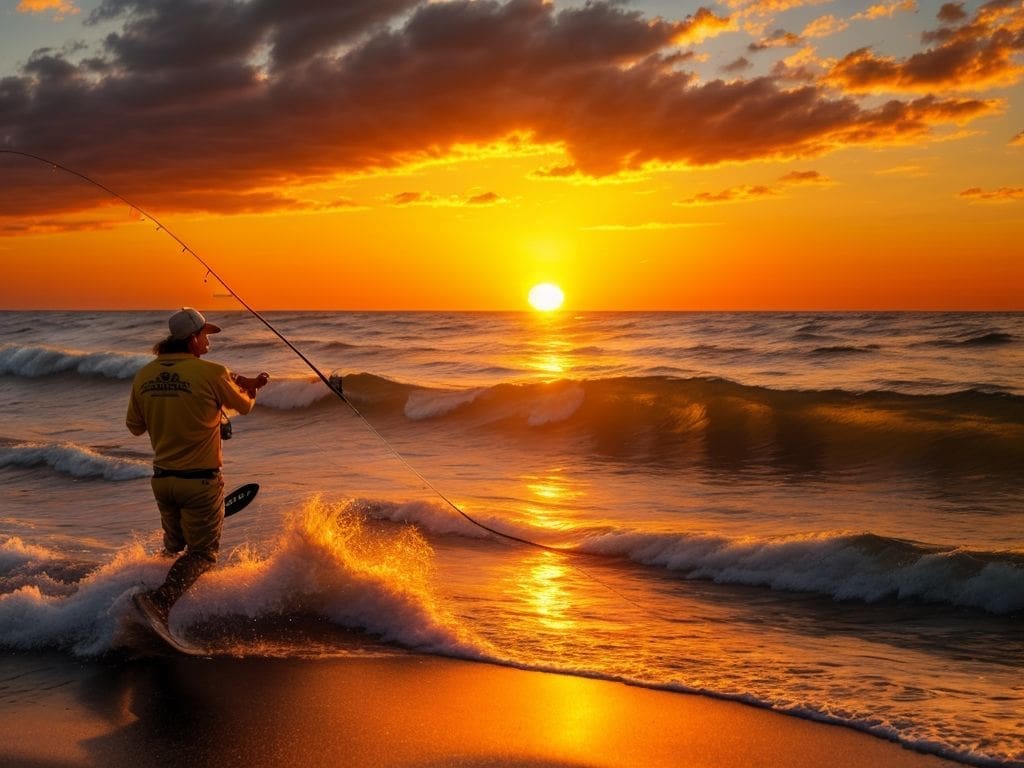
When deciding between surf fishing and offshore fishing, you should consider accessibility and proximity to the shore. Surf fishing can be done easily from the shore, making it accessible to fishermen of all skill levels. It allows anglers to fish in shallow waters close to the coastline. This type of fishing requires minimal travel and equipment, which makes it a convenient option for local fishing trips. It commonly targets species like striped bass, surfperch, and flounder.
On the other hand, offshore fishing involves venturing into deeper waters away from the shore. It requires a boat and more specialized equipment. However, it offers the opportunity to catch larger and more pelagic species like tuna, marlin, and mahi-mahi. Offshore fishing provides a different fishing experience with the thrill of being out in the open ocean.
I have a fond memory of a fishing trip where my friends and I decided to try surf fishing on a secluded beach. We set up our fishing rods and cast our lines into the crashing waves. As the sun set, we started reeling in the fish one after another. It was a thrilling experience being so close to the shore and feeling the power of the ocean while catching some delicious surfperch. The accessibility and proximity to shore made it a memorable and enjoyable fishing adventure.
Size and Type of Fish Caught
When it comes to the size and type of fish caught, there is a noticeable contrast between surf fishing and offshore fishing.
In surf fishing, anglers typically focus on targeting smaller fish species that inhabit the shallower waters near the shore. Examples of common species include pompano, snook, redfish, and trout. These fish are usually smaller in size and are perfectly suited for surf fishing techniques and equipment.
On the other hand, offshore fishing provides anglers with the opportunity to pursue larger and more coveted game fish species found in deeper waters. This includes fish such as marlin, tuna, mahi-mahi, and swordfish. These fish are renowned for their size and power, requiring specialized offshore fishing gear and techniques for successful catches.
Therefore, while surf fishing allows for catching a variety of smaller fish species, offshore fishing presents the chance to reel in larger game fish that are highly sought after by many anglers.
Equipment and Bait Used
When engaging in surf fishing or offshore fishing, the choice of equipment and bait used is essential. It varies based on the fishing techniques and targeted fish species.
| Surf Fishing | Offshore Fishing |
| – Rod and reel suitable for casting long distances | – Heavy-duty rod and reel designed for deep-sea fishing |
| – Live or cut bait such as shrimp, sand fleas, or mullet | – Artificial lures such as jigs, trolling baits, or soft plastics |
| – Sinkers and weights to keep the bait in place in the surf | – Downriggers and heavy sinkers to reach greater depths |
The choice of equipment and bait used is crucial in attracting and catching the desired fish species while adapting to the specific demands of either surf or offshore fishing.
Fishing Techniques and Strategies
When it comes to Fishing Techniques and Strategies, there are several key steps to consider:
- Choose the right fishing rod and reel combination based on the type of fish you’re targeting.
- Select the appropriate bait or lures to attract the fish you’re after. This could include live bait, artificial flies, or soft plastic lures.
- Pay attention to the weather conditions and adjust your fishing technique accordingly. For example, in windy conditions, casting into the wind can help increase your casting distance.
- Experiment with different retrieval techniques, such as slow and steady, jerking the bait, or twitching it erratically, to see what the fish respond to best.
- Observe the water and look for signs of fish activity, like jumping fish or birds diving into the water, as this can indicate where the fish are feeding.
Fact: Many experienced anglers swear by the “match the hatch” strategy, which involves choosing bait or lures that closely resemble the natural food source of the fish you’re targeting.
Advantages and Disadvantages of Surf Fishing

Surf fishing provides a unique fishing experience for anglers, but it also comes with its own set of advantages and disadvantages. Here are some key points to consider when deciding if surf fishing is the right choice for your next fishing adventure:
Accessibility: One of the advantages of surf fishing is its easy accessibility and convenience. It can be done from the shore, allowing anglers to quickly and easily get started.
Variety of fish: Surf fishing offers the opportunity to catch a wide range of fish species, such as striped bass, redfish, and snook. This variety adds excitement and diversity to the fishing experience.
Less equipment: Compared to offshore fishing, surf fishing requires minimal equipment. This makes it a more budget-friendly option for anglers who want to enjoy fishing without spending too much on specialized gear.
Challenging conditions: On the downside, surf fishing can be physically demanding. Anglers have to face rough waves, strong currents, and constantly changing weather conditions. These challenging conditions can add to the thrill but also require anglers to be prepared and physically fit.
Crowded spaces: Popular surf fishing spots might attract a large number of anglers, resulting in crowded spaces and decreased privacy. For those seeking solitude, this can be a drawback.
Dependent on tides: Success in surf fishing often relies on the tides. The timing and duration of fishing sessions are limited by the ebb and flow of the tides. Anglers need to plan their fishing trips accordingly, making the most of the tides to increase their chances of catching fish.
Considering these factors will help you make an informed decision about whether surf fishing is the right choice for your next fishing adventure.
Advantages and Disadvantages of Offshore Fishing

Offshore fishing offers several advantages and disadvantages that one should consider before embarking on a fishing trip.
Advantages:
- Access to a wider variety of fish species, including tuna, marlin, and swordfish.
- Opportunity for deep-sea fishing, which yields larger and more exciting catches.
- Potential for trophy fish and the thrill of landing a big game fish.
- Ability to explore vast expanses of open water and enjoy the serenity of the ocean.
- Experience of a true adventure as you venture far from the shoreline.
Disadvantages:
- Higher costs due to the need for specialized equipment, fuel, and charter services.
- Longer travel time to reach offshore fishing grounds.
- Greater physical exertion required to handle heavy tackle and fight large fish.
- Potential for rough seas, bad weather, and sea sickness, which can affect the overall fishing experience.
- Possibility of encountering little to no action, resulting in fewer catches.
Considering these factors, it’s important to weigh the advantages and disadvantages of offshore fishing to ensure it aligns with your preferences and fishing goals. If you seek an adrenaline-pumping experience, a chance to catch prize game fish, and are willing to invest in the necessary resources, offshore fishing can be a rewarding adventure. If you prefer a more budget-friendly and relaxed fishing experience, surf fishing may be a better option. Ultimately, it’s about finding the fishing style that suits you best.
Some Facts About Surf Fishing vs Offshore Fishing:
- ✅ Surf fishing takes place along the shoreline and is done from the beach or in shallow water near the coast. (Source: Captain Experiences)
- ✅ Offshore fishing, also known as deep sea fishing, occurs miles from shore and involves chasing big sportfish in deep water. (Source: Captain Experiences)
- ✅ Surf fishing is suitable for beginners and offers nonstop action minutes from the beach, making it a great choice for those new to fishing. (Source: Captain Experiences)
- ✅ Offshore fishing requires more skill and experience due to the need for strong tackle and the challenges of deep water and potentially rough seas. (Source: Captain Experiences)
- ✅ The choice between surf fishing and offshore fishing depends on factors such as time availability, preference for catching big fish, and willingness to travel longer distances. (Source: Captain Experiences)