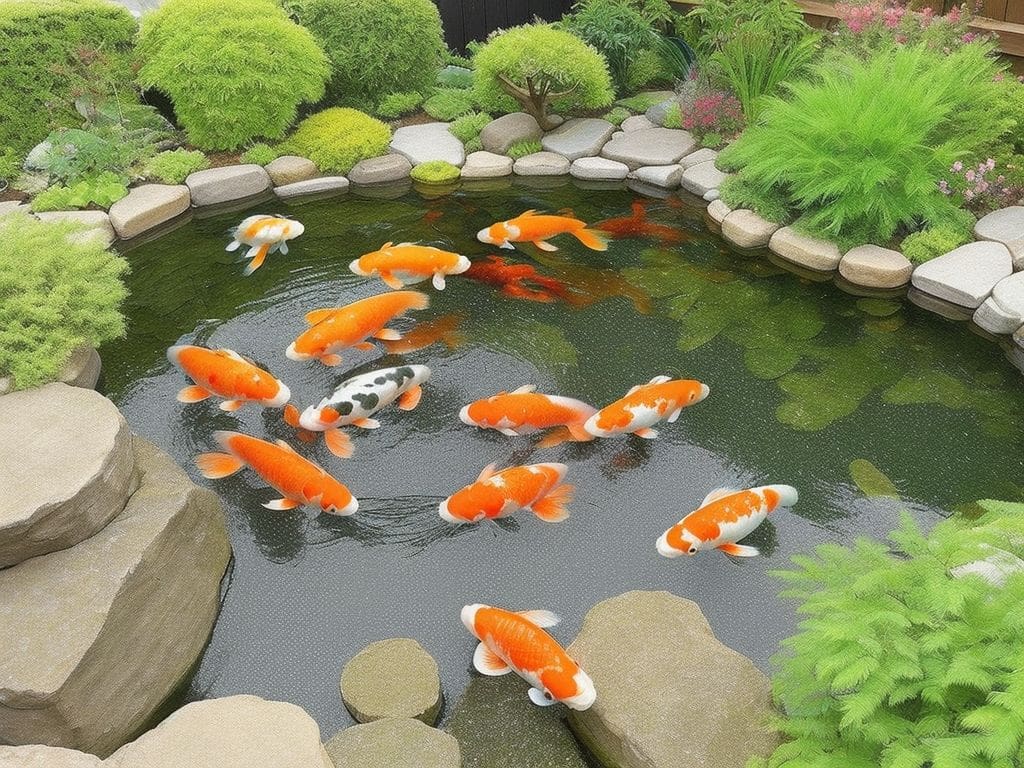
Can you add other fish to a koi pond? Exploring compatibility and benefits

Adding other fish to a koi pond is a common question among pond enthusiasts. While koi are known for their vibrant colors and graceful swimming, it is essential to consider whether other fish can coexist harmoniously with them. The answer depends on several factors, including the types of fish, size compatibility, water temperature, water quality, feeding habits, and predatory tendencies. Before introducing other fish to a koi pond, it is crucial to understand the potential risks and issues that may arise, such as competition for food, disease transmission, aggressive behavior, and decreased water quality. However, with careful consideration and proper management, it is possible to have a well-balanced and diverse fish population in a koi pond. This article explores the topic in more depth, offering insights, tips, and guidelines for successfully introducing other fish to a koi pond.
Key takeaways:
- Compatibility is key: When adding other fish to a koi pond, it is important to consider size, water temperature, water quality, feeding habits, and predatory tendencies to ensure the fishes can coexist harmoniously.
- Potential risks and issues: Adding other fish to a koi pond can lead to competition for food, disease transmission, aggressive behavior, and decreased water quality. These factors should be carefully monitored to maintain a healthy ecosystem.
- Introduce fish with caution: To minimize the risks, new fish should be quarantined, acclimated gradually, and their behavior and health should be closely monitored to ensure a smooth and successful integration into the koi pond.
Can Other Fish Be Put in a Koi Pond?
While koi ponds are specifically designed for koi fish, other fish can also be added to enhance the ecosystem. Can other fish be put in a koi pond? Yes, they can. Here are some examples of compatible fish:
- Goldfish: They are compatible with koi and come in various colors and patterns.
- Comet Fish: These long-bodied fish are active swimmers and can coexist with koi.
- Sarasa Comets: Similar to comet fish, they have bright orange and white coloring.
- Shubunkin: These multicolored fish are hardy and can tolerate different water conditions.
- Butterfly Koi: These long-finned koi hybrids can add beauty and diversity to the pond.
What Types of Fish Can Coexist With Koi?
Koi ponds can be home to various types of fish that can coexist peacefully with the koi. If you’re wondering what types of fish can coexist with koi, here are some great examples:
- Goldfish: These colorful and hardy fish make excellent companions for koi.
- Comet fish: With their long tails, comet fish are compatible with koi as they share similar care requirements.
- Sarasa comet: Another variety of comet fish, sarasa comets have red and white markings and can thrive alongside koi.
- Shubunkin: These beauties have a mix of colors and patterns, making them a wonderful addition to any koi pond.
- Butterfly koi: Though they are a hybrid breed with long fins, butterfly koi can coexist harmoniously with traditional koi.
Having a variety of fish in your koi pond can greatly enhance its overall aesthetic and provide an interesting and dynamic ecosystem. However, it is crucial to ensure that all fish in the pond are compatible in terms of size, water temperature, and feeding habits. Regular monitoring of their behavior and health is also essential for a successful coexistence.
Considerations Before Adding Other Fish to a Koi Pond

When it comes to adding other fish to a koi pond, there are a few key considerations to keep in mind. We’ll dive into the important factors such as size compatibility, water temperature, water quality, feeding habits, and even predatory tendencies. So, before you introduce new fish to your koi pond, let’s explore the ins and outs of these considerations to ensure the harmony and well-being of all the aquatic inhabitants.
Size Compatibility
The size compatibility of fish is a crucial factor to consider when adding them to a koi pond. It is important to ensure that the other fish you want to introduce are compatible in terms of size and won’t pose a threat to the koi. Mixing fish of vastly different sizes can lead to issues such as aggression, competition for food, and potential harm to smaller fish. To maintain balance, researching the growth potential of the fish species and choosing ones that are similar in size to the koi will help promote a harmonious coexistence in the pond.
Water Temperature
Water temperature is a critical factor to consider when adding other fish to a koi pond. It is important to ensure that the water temperature is suitable for all species in order to promote their health and well-being. Here is a table that outlines the ideal water temperature for common fish species that can coexist with koi:
| Fish Species | Ideal Water Temperature |
|---|---|
| Goldfish | 65-75 degrees Fahrenheit |
| Shubunkin | 65-75 degrees Fahrenheit |
| Comets | 60-72 degrees Fahrenheit |
| Orfe | 65-75 degrees Fahrenheit |
| Butterfly Koi | 65-75 degrees Fahrenheit |
| Sarasa Comets | 60-72 degrees Fahrenheit |
| Rosy Red Minnows | 65-75 degrees Fahrenheit |
| White Cloud Minnow | 60-75 degrees Fahrenheit |
Maintaining the appropriate water temperature will create a harmonious environment in the koi pond and promote the overall well-being of all the fish species present.
Water Quality
Maintaining proper water quality is of utmost importance when considering the addition of other fish to a koi pond. It is crucial to follow these guidelines to achieve ideal conditions for aquatic life:
– Filtration: It is essential to install a high-quality filtration system that can ensure water clarity and effectively remove any harmful substances present.
– Monitoring: Regularly test the water parameters such as pH, ammonia, nitrite, and nitrate levels to ensure they fall within the appropriate ranges. This will help maintain a healthy aquatic environment.
– Oxygenation: Adequate oxygen levels are vital for the well-being of all fish species in the pond. It is advisable to consider incorporating an additional aerator or fountain to ensure optimal oxygenation.
– Chemical Balance: Keeping the levels of chlorine, chloramine, and other chemicals in check is crucial. Whenever necessary, use water conditioners or dechlorinators to maintain a proper chemical balance in the pond.
– Bacterial Balance: Establishing a healthy and balanced biological environment is essential. This can be done by promoting the growth of beneficial bacteria through proper filtration and regular maintenance practices.
By diligently adhering to these guidelines and maintaining optimal water quality, you can create a suitable habitat for both koi and other compatible fish species in the pond.
Feeding Habits
When considering adding other fish to a koi pond, it’s crucial to take into account their feeding habits. Some fish may have different dietary needs or feeding behaviors that can impact the overall harmony in the pond. Important factors to consider include finding fish with compatible feeding habits to prevent competition for food and ensuring that they do not pose a threat to the koi. For instance, goldfish or tilapia, which are omnivorous, can coexist with koi as they have similar feeding habits. However, it is essential to note that carnivorous fish like pike or catfish can eat smaller fish or disrupt the koi’s feeding routine.
A friend added a group of guppies to their koi pond without considering their feeding habits. Consequently, the guppies reproduced rapidly and started competing with the koi for food. This resulted in the koi losing weight and displaying signs of malnutrition. This incident taught them an important lesson about the significance of understanding the feeding habits of all fish before introducing them to a koi pond.
Predatory Tendencies
When considering adding other fish to a koi pond, it is crucial to be mindful of their predatory tendencies. Some fish species may exhibit aggressive behavior or compete for food, posing a threat to the koi. It is essential to select fish that are compatible in terms of size, water temperature, and feeding habits. By closely monitoring the behavior and health of the fish, potential risks or issues can be identified. Additionally, quarantining new fish and gradually acclimating them to the pond can ensure a successful integration.
Potential Risks and Issues

When it comes to introducing other fish into a koi pond, there are some potential risks and issues to be aware of. We’ll take a closer look at these concerns, including competition for food, disease transmission, aggressive behavior, and the impact on water quality. So, before you dive into adding new companions for your koi, let’s explore these factors to ensure a safe and harmonious environment for all aquatic inhabitants.
Competing for Food
Competition for food is a significant consideration when deciding whether to introduce other fish to a koi pond. Different fish species have varying feeding habits and dietary requirements, which can lead to competition and potential issues. To visualize this information, here is a table highlighting the feeding habits of common fish species that can coexist with koi in a pond:
| Fish Species | Feeding Habits |
|---|---|
| Goldfish | Omnivorous |
| Shubunkin | Omnivorous |
| Comets | Omnivorous |
| Butterfly Koi | Omnivorous |
| Rosy Reds | Omnivorous |
| White Clouds | Omnivorous |
This table provides an overview of the feeding habits of fish that can coexist with koi in a pond. Understanding how fish species interact and compete for food is crucial to maintaining a harmonious and balanced ecosystem in the koi pond.
Disease Transmission
Disease transmission is a potential concern when adding other fish to a koi pond. To prevent the spread of diseases, it is crucial to quarantine new fish before introducing them to the pond. Regularly monitoring the behavior and health of the fish is important to detect any signs of illness. In order to reduce the risk of disease transmission, it is crucial to maintain good water quality. When introducing new fish, it is recommended to follow a gradual acclimation process to minimize stress and allow the fish to adjust to their new environment. By following these steps, you can ensure the health and wellbeing of your koi pond.
Did you know that koi have a lifespan of up to 30 years, making them long-lived and cherished pets in many cultures?
Aggressive Behavior
Introducing other fish to a koi pond can pose risks due to aggressive behavior. Some species, like goldfish or shubunkins, are typically compatible with koi as they have similar temperaments. Certain fish, such as cichlids or catfish, may display aggressive behavior towards koi. Aggression can lead to injuries, stress, and disrupted harmony within the pond ecosystem. To prevent this, it is important to research fish compatibility and monitor their behavior closely. If aggressive behavior is observed, separating the aggressive fish may be necessary to maintain a peaceful and thriving pond environment.
Pro-tip: It’s always wise to consult with a knowledgeable pond specialist to ensure a harmonious mix of fish in your koi pond.
Decreased Water Quality
Adding other fish to a koi pond can pose a potential risk of decreased water quality. The introduction of additional fish can result in an increase in waste production, which can lead to an imbalance in water parameters. This imbalance can cause higher levels of ammonia and nitrites, both of which are harmful to fish. To prevent a decline in water quality, it is crucial to regularly test and maintain proper filtration and aeration systems. Additionally, conducting regular water changes and practicing appropriate feeding methods can help minimize the buildup of waste. By addressing these factors, it is possible to create a thriving and healthy environment for all fish in the koi pond.
In 2015, a koi pond enthusiast made the mistake of introducing several species of goldfish into their established koi pond without considering the potential impact on water quality. As time passed, the waste produced by the goldfish resulted in a significant decrease in water quality, leading to elevated levels of ammonia and nitrites. Consequently, both the koi and goldfish populations experienced stress and illness. After realizing the issue, the enthusiast took immediate action to address the water quality problem. Steps taken included enhancing the filtration system, performing regular water changes, and adjusting feeding practices. This proactive approach successfully restored the water quality and improved the overall health of the fish.
Tips for Introducing Other Fish to the Koi Pond
Looking to add some new fish to your koi pond? We’ve got you covered with essential tips for a smooth introduction. From creating a quarantine system for new fish to carefully acclimating them over time, we’ll help you ensure a seamless transition. Not only that, but we’ll also shed light on monitoring their behavior and health to ensure a harmonious environment for all aquatic residents. Get ready to expand your pond family with confidence!
Quarantine New Fish
Quarantining new fish, such as in the case of introducing them to a koi pond, is an essential practice to prevent the spread of diseases and ensure the well-being of all the fish involved. In order to successfully accomplish this, follow the provided steps:
- First and foremost, set up a dedicated quarantine tank specifically for the new fish.
- During this critical period, carefully observe the new fish for any indications of illness or the presence of parasites.
- Maintain the new fish in quarantine for at least two weeks, closely monitoring their health throughout this time frame.
- Take the necessary measures to treat the new fish in case any potential diseases or parasites are detected.
- In the quarantine tank, perform regular water changes and ensure an optimal water quality is maintained.
- Once the quarantine period has elapsed and the new fish are deemed healthy, gradually introduce them to the koi pond.
An incident highlights the importance of quarantining new fish. A koi enthusiast carelessly introduced new fish to his pond without proper quarantine procedures. Unfortunately, these new fish carried parasites that rapidly spread to the entire koi population. It required months of treatment and meticulous monitoring to revive the pond’s health.
Gradual Acclimation Process
Gradual acclimation is crucial when introducing other fish to a koi pond. This Gradual Acclimation Process helps the new fish adjust to the pond’s water conditions and reduces stress. It involves gradually acclimating the fish to the pond’s water temperature and chemistry. To implement a Gradual Acclimation Process, float the bag containing the new fish in the pond for around 15-20 minutes, allowing the water temperatures to equalize. Then, slowly add small amounts of pond water to the bag over a period of 30-40 minutes, ensuring the fish can acclimate to the new water gradually. Release the fish into the pond, monitoring their behavior and health closely.
Monitor Behavior and Health
- Monitor the behavior and health of the new fish closely after introducing them to the koi pond.
- Pay attention to any signs of aggression or stress, such as chasing, nipping, or hiding, while monitoring their behavior and health.
- Regularly monitor the health of all the fish in the pond, looking for any signs of illness or disease, in addition to observing their behavior.
- Keep an eye on water parameters, such as temperature, pH levels, and ammonia levels, to ensure they are within the appropriate range for all the fish while monitoring their behavior and health.
- If you notice any abnormal behavior or health issues, take immediate action to address the problem, such as quarantining the affected fish or adjusting water conditions, while actively monitoring their behavior and health.
Pro-tip: Regularly performing water tests and maintaining a balanced ecosystem in the koi pond can help prevent and detect any potential issues with fish behavior and health.