Need a Permit for a Fish Pond? Here’s What You Should Know

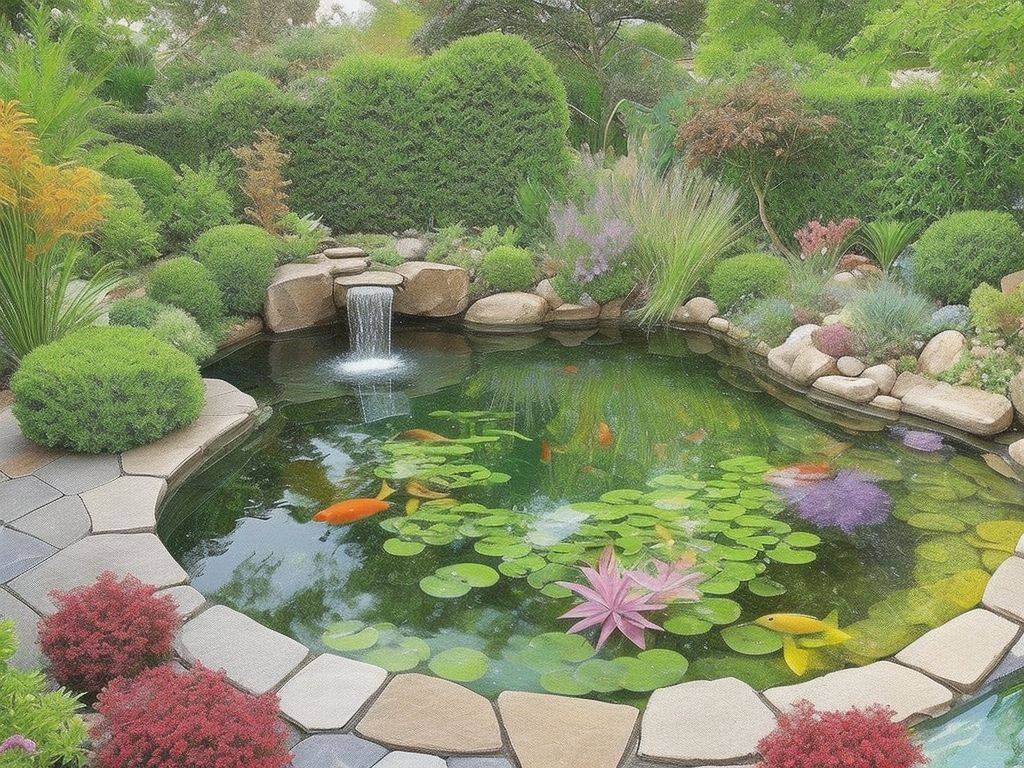
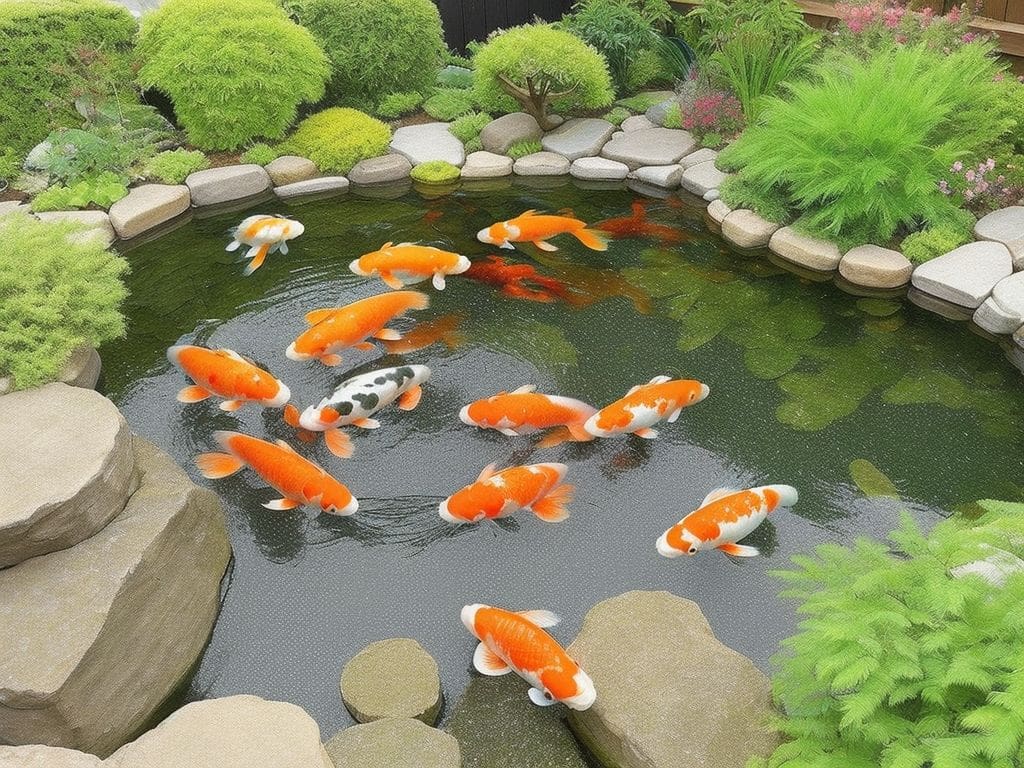
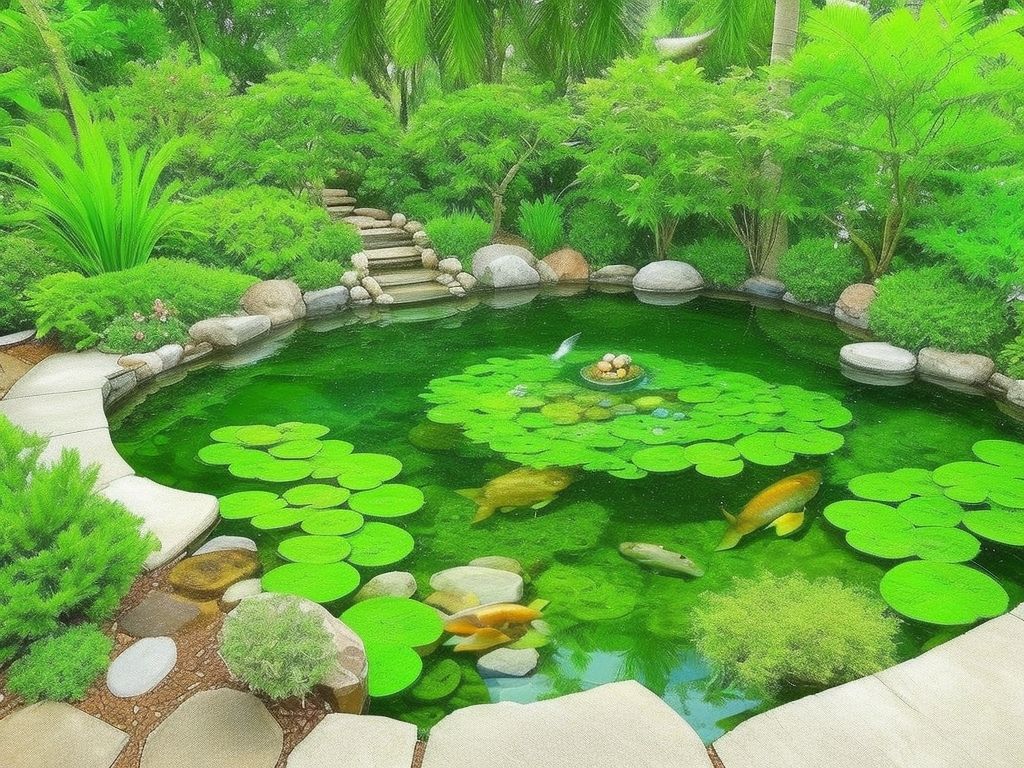
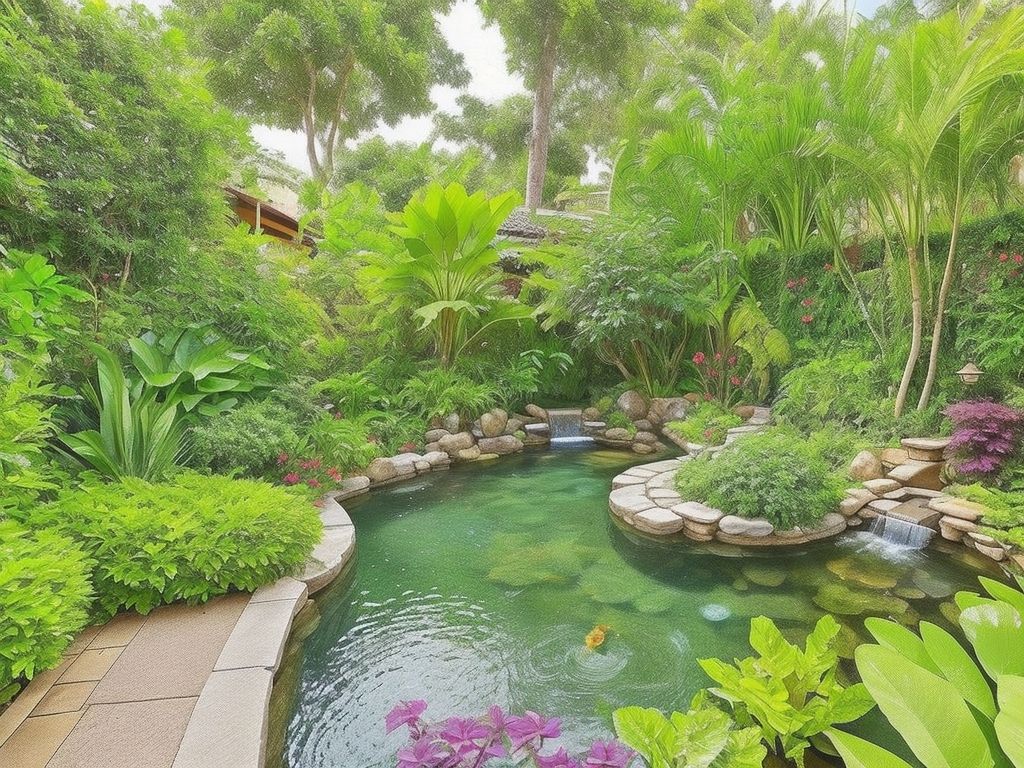
A fish pond is a man-made or natural body of water that is specifically designed and maintained for the purpose of raising fish. It can be a small backyard pond or a larger-scale operation for commercial fish farming. Fish ponds offer a controlled environment where fish can thrive and be nurtured for various purposes, such as recreational fishing or food production.
Key takeaways:
- Local regulations may require a permit for a fish pond: Depending on your location, you might need a permit to build a fish pond. Local regulations and requirements should be thoroughly researched and adhered to.
- Permits may have size and location restrictions: Some permits for fish ponds may have specific requirements regarding the size and location of the pond. These restrictions aim to protect the environment and prevent potential negative impacts.
- Consequences of not having a permit: Building a fish pond without a required permit can lead to legal consequences and penalties. It may also result in environmental harm if construction is not regulated according to necessary guidelines.
What is a Fish Pond?

A fish pond, also known as an artificial aquatic enclosure, is a specially designed man-made structure that caters to the needs of fish for various purposes. It can vary in size, ranging from a compact backyard pond to a more extensive commercial pond primarily utilized for aquaculture. These ponds create an ideal controlled environment, enabling fish to flourish and procreate. To maintain optimum water quality, fish ponds are typically equipped with liners, filters, and aeration systems. Moreover, they serve multiple functions such as recreational activities like fishing and can be employed as an aesthetically pleasing feature in gardens. Furthermore, commercial fish ponds play a crucial role in breeding fish for consumption, replenishing lakes or rivers, and facilitating educational and research initiatives.
Types of Fish Ponds
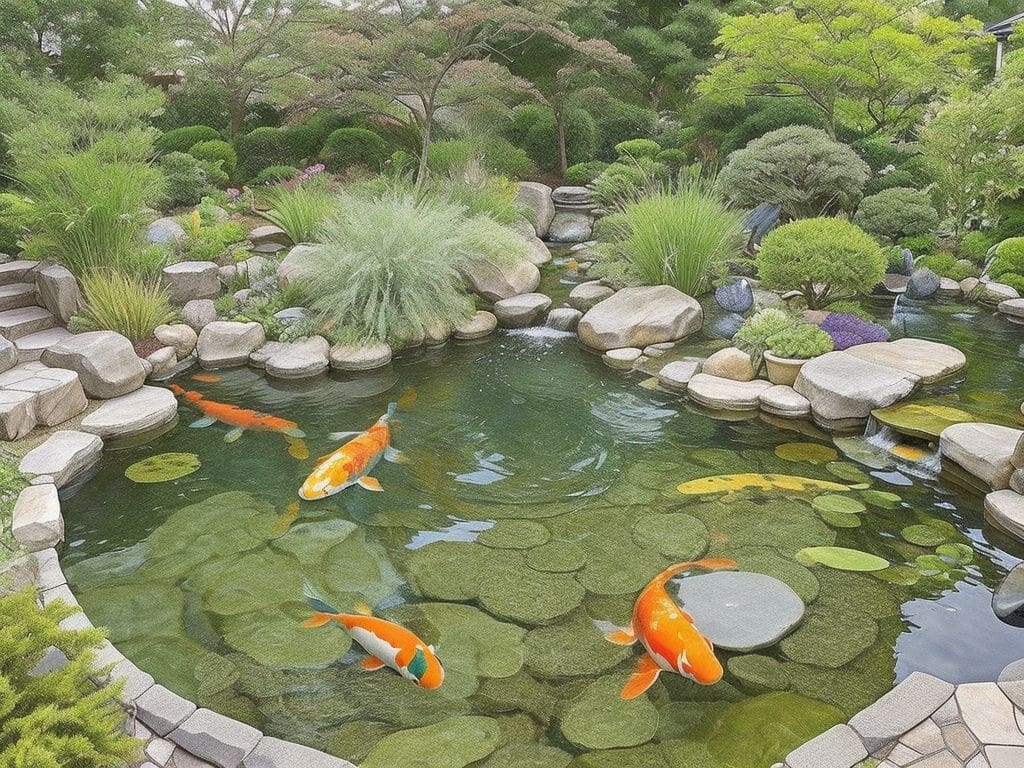
When it comes to fish ponds, there are various types that cater to different preferences and needs. In this section, we’ll dive into the fascinating world of fish pond varieties. From natural fish ponds to man-made options, we’ll uncover the distinct characteristics and advantages of each. So, whether you’re captivated by the wonders of nature or inclined towards crafting your own aquatic paradise, there’s a fish pond type waiting to be explored.
Natural Fish Ponds
Natural fish ponds are bodies of water that occur naturally in the environment without human intervention. They are typically formed through natural processes such as rainfall, springs, or rivers. These ponds can provide a habitat for various species of fish and other aquatic organisms. Natural fish ponds are often found in rural areas or conservation districts where the surrounding environment is conducive to the formation of such ponds. These ponds can offer a range of benefits, including opportunities for fishing, wildlife conservation, and ecosystem development. It is important to note that even though they are natural, some regulations or permits may still be required depending on local rules and regulations.
Man-made Fish Ponds
- The concept of man-made fish ponds dates back thousands of years. Ancient civilizations, such as the Egyptians and Chinese, constructed ponds to farm fish for food. These early ponds were designed using simple techniques, utilizing natural water sources and managing fish populations. Over time, advancements in technology and knowledge have led to the development of sophisticated man-made fish ponds that cater to specific needs and goals. Today, man-made fish ponds continue to play a crucial role in food production, environmental conservation, and recreational activities.
Do You Need a Permit for a Fish Pond?
When it comes to having a fish pond, one burning question pops up: Do you need a permit? Let’s dive into the world of regulations, restrictions, and the environmental impact surrounding fish ponds. From local requirements to size and location restrictions, we’ll uncover what’s necessary to ensure you’re on the right side of the law. Plus, we’ll explore the potential environmental implications to help you make informed decisions for your fish pond. So, let’s cast our lines into this permit puzzle and reel in the answers!
Local Regulations and Requirements
When constructing a fish pond, it is of utmost importance to adhere to all local regulations and requirements. Each area has its own specific rules and permits that must be obtained prior to building a fish pond. These regulations typically cover aspects like size limits, location restrictions, environmental impact, and conservation considerations. To ensure compliance, thorough research should be conducted on the local requirements. This includes completing application forms, providing necessary documentation, paying any applicable fees, and undergoing inspections and approval processes. By strictly following these regulations, individuals can avoid penalties and legal consequences, while also promoting the preservation of the environment and the responsible construction of fish ponds.
Size and Location Restrictions
When obtaining a permit for fish ponds, it is crucial to take into account certain size and location restrictions. These restrictions are subject to variation depending on local regulations, requirements, as well as environmental impact concerns. Before constructing a fish pond, it is essential to conduct thorough research and fully comprehend these limitations. Factors that should be considered include the maximum depth of the pond, its proximity to property walls or surrounding areas, and ensuring compliance with the rules and regulations enforced by the zoning/permitting office or conservation districts. By adhering to these specific size and location restrictions, individuals can guarantee legal compliance and contribute towards environmental conservation efforts.
Environmental Impact
| – The environmental impact of building a fish pond is crucial for sustainable practices and conservation efforts. The alteration of natural habitats, introduction of non-native species, and disruption of ecosystems are some of the challenges that need to be addressed. | |
| – Managing water pollution from runoff and excess nutrients is essential to maintain water quality and protect aquatic life. | |
| – Adhering to regulations and proper planning can help mitigate these environmental impacts and ensure the long-term health and preservation of the environment. | |
| – When building a fish pond, it is recommended to: |
Considering the environmental impact of building a fish pond is crucial for sustainable practices and conservation efforts. The alteration of natural habitats, introduction of non-native species, and disruption of ecosystems are some of the challenges that need to be addressed. Managing water pollution from runoff and excess nutrients is essential to maintain water quality and protect aquatic life. Adhering to regulations and proper planning can help mitigate these impacts and ensure the long-term health and preservation of the environment.
When building a fish pond, it is recommended to:
- Conduct an environmental assessment
- Choose appropriate locations to minimize disruption to existing ecosystems
- Implement filtration systems to reduce water pollution
- Source native fish species to preserve biodiversity
- Regularly monitor water quality and fish populations
Benefits of Obtaining a Permit

Discover the advantages of obtaining a permit for your fish pond. From legal compliance to environmental conservation and access to resources, we’ll explore how securing a permit can bring a multitude of benefits. Stay tuned to learn why obtaining a permit is more than just a requirement – it’s a step towards creating a thriving and sustainable fish pond.
Legal Compliance
Ensuring legal compliance is crucial when constructing a fish pond. Acquire the necessary permits from your local government or conservation district to abide by the law. Perform thorough research to understand the specific rules and regulations applicable to your area, including the requirements set by the city/county planning department or zoning/permitting office. Complete the application forms, provide the required documentation, and promptly pay any applicable fees. It is essential to be prepared for inspections and navigate through the approval process. The advantages of obtaining a permit encompass legal protection, environmental conservation, and access to valuable resources. Failure to obtain a permit can result in consequences such as fines or the obligation to dismantle the pond. Maintain compliance to fully enjoy your fish pond without any worries.
Environmental Conservation
To promote environmental conservation in fish pond management, it is important to implement a range of sustainable practices. One such practice is utilizing rainwater collection and recycling methods to establish a sustainable water management system. By doing so, you can reduce the reliance on freshwater sources and minimize the impact on the environment.
Another step towards environmental conservation is selecting native fish species that are well-adapted to the local environment. This reduces the risk of introducing invasive species, which can harm the delicate ecological balance of the pond. Monitoring water quality on a regular basis is also crucial to ensure optimal conditions for both fish and aquatic organisms. By maintaining the right balance of nutrients and oxygen levels, you can promote a healthy and thriving ecosystem.
In terms of pond maintenance, adopting eco-friendly techniques is highly recommended. Instead of relying on chemical fertilizers, consider using organic alternatives that do not contribute to water pollution. Furthermore, utilizing natural pest control methods can minimize the use of harmful chemicals, supporting the overall health of the pond.
To create a balanced ecosystem, it is beneficial to incorporate plants and vegetation that offer habitat and food sources for fish and other wildlife. This not only enhances biodiversity but also provides a natural and sustainable source of food and shelter. By doing so, you contribute to the overall environmental conservation of the fish pond.
Lastly, it is crucial to limit the use of chemicals and non-biodegradable materials in and around the fish pond. This helps minimize negative environmental impacts and ensures the long-term sustainability of the ecosystem. By prioritizing environmental conservation in fish pond management, you can contribute to the preservation of aquatic ecosystems and their invaluable biodiversity.
Access to Resources
Obtaining a permit for a fish pond provides access to various resources that can enhance your pond and its surrounding environment.
- Expert Guidance: When you obtain a permit, you gain access to valuable guidance from local government agencies and conservation districts. They can provide you with information on regulations, best practices, and resources available to help you build and maintain a successful fish pond.
- Educational Materials: Many agencies provide educational materials and resources on pond management, fish stocking, water quality, and habitat conservation. These resources can help you make informed decisions and ensure the long-term health and sustainability of your fish pond.
- Funding Opportunities: Some government programs and conservation organizations offer grants or financial assistance for pond projects. By obtaining a permit, you become eligible to apply for these funding opportunities, which can help offset the costs of building or improving your fish pond.
- Networking and Collaboration: Permitting processes often require interaction with various agencies and professionals involved in environmental conservation. This provides an opportunity to connect with experts and other pond owners, exchanging knowledge, experiences, and resources that can contribute to the success of your fish pond.
John, a fish pond owner, obtained a permit for his pond and became connected with the local conservation district. Through this relationship, John was able to access resources such as educational workshops, discounted pond supplies, and even volunteer assistance for pond maintenance. His fish pond flourished, becoming a thriving ecosystem and a community attraction.
Consequences of Not Having a Permit
Consequences of Not Having a Permit
Not possessing the necessary permit for a fish pond can yield a multitude of outcomes. Take into consideration the following potential repercussions:
- Fines: Engaging in the operation of a fish pond without the required permit may lead to the imposition of substantial penalties by the authorities.
- Legal issues: Failing to obtain a permit can result in legal complications, ranging from cease and desist orders to possible lawsuits initiated by affected parties.
- Environmental damage: The absence of proper regulation can cause detrimental effects on the surrounding ecosystem caused by a fish pond, such as water pollution or the introduction of invasive species.
- Limited resources: Devoid of a permit, you may be denied access to essential resources like fish stocks or government assistance programs.
How to Obtain a Permit for a Fish Pond

Curious about obtaining a permit for your fish pond? Look no further! In this section, we’ll dive into the process of acquiring that all-important permit. From researching local requirements to completing application forms, submitting necessary documentation, and even paying fees if applicable, we’ll guide you through each step. Plus, we’ll touch on the inspections and approval process to ensure you have all the information you need to get that permit in hand. Let’s embark on this permit-seeking adventure together!
Research Local Requirements
Before embarking on building a fish pond, it is absolutely vital to thoroughly research the local requirements in order to ensure strict compliance with regulations. This essential step typically entails reaching out to the city/county planning department, zoning/permitting office, or conservation district. By doing so, you can obtain vital information on the necessary permits, documentation, and fees that must be fulfilled. A concrete example can be seen with the Erie County Conservation District, which provides a wealth of valuable details on the specific rules and regulations pertaining to the construction of ponds in rural areas. By meticulously researching the local requirements, individuals can effectively sidestep any potential legal ramifications while simultaneously guaranteeing that their pond adheres to established environmental and safety standards. Always remember to consult the appropriate authorities to ensure accurate and up-to-date information is obtained.
Fill Out Application Forms
When applying for a permit for a fish pond, it is crucial to meticulously fill out the necessary application forms. It is essential to follow the correct procedures and ensure that all the required information is accurately and completely provided. This involves a series of steps, including researching local requirements and gathering the necessary documentation. Afterward, the forms must be submitted to the appropriate department or office. It is possible that payment of any applicable fees will be required. Subsequently, the forms will undergo inspections and a rigorous approval process before the permit is granted. By taking care to properly fill out the application forms, you can guarantee a seamless and efficient process for obtaining a permit for your fish pond.
Fun fact: The oldest known fish pond, discovered in China, is believed to be over 1,500 years old. It has been utilized for breeding and raising fish for consumption.
Submit Necessary Documentation
To obtain a fish pond permit, it is essential to submit the required documentation. The specific documents needed for the permit application may vary depending on your location and local regulations. Follow these steps to successfully submit the necessary documentation for your fish pond permit:
- First, research the local requirements to understand which specific documents are required for your permit application.
- Next, accurately and completely fill out the application forms.
- Ensure that you gather all the necessary documentation, including a plot plan, information on rebar spacing, and any other paperwork that is mandated.
- Once you have completed the application and collected the supporting documents, submit them to the appropriate zoning or permitting office.
- Remember to pay any applicable fees associated with the permit application.
- Finally, be prepared for inspections and adhere to any additional approval processes imposed by your local government.
By fulfilling the requirement of submitting the necessary documentation, you will be complying with regulations and significantly increasing your chances of obtaining a permit for your fish pond.
Pay Fees, if Applicable
To obtain a permit for a fish pond, you may need to pay fees depending on the regulations in your area. Here are the steps to follow:
- Research local permit requirements and determine if fees are applicable.
- Fill out the application forms accurately, providing all necessary information.
- Compile and submit the required documentation along with the application.
- If fees are applicable, ensure they are paid in full and on time.
- Be prepared for inspections and follow the approval process diligently.
Remember to check with your local zoning/permitting office or conservation district for specific guidelines. Consider consulting an expert or hiring a professional to assist with the application process if needed.
Inspections and Approval Process
- Research local requirements: Incorporate inspections and the approval process into the research of local requirements. Understand the rules and regulations set by the city/county planning department, conservation district, or zoning/permitting office in your area.
- Fill out application forms: Provide accurate information about your fish pond project, including its purpose, size, and location, as part of the inspections and approval process.
- Submit necessary documentation: As part of the inspections and approval process, submit all the necessary documentation required, such as a plot plan, details of the permanent structure, rebar spacing, and any other required documents.
- Pay fees, if applicable: Some jurisdictions may require the payment of fees to process the permit application as part of the inspections and approval process.
- Inspections and approval process: The inspections and approval process may include a zoning officer or relevant authority conducting inspections to ensure compliance with regulations, such as maximum depth, safety features, and environmental impact.
Following these steps will help you navigate through the inspections and approval process for your fish pond permit.