Kayak Fishing For Musky: Guide + Tips
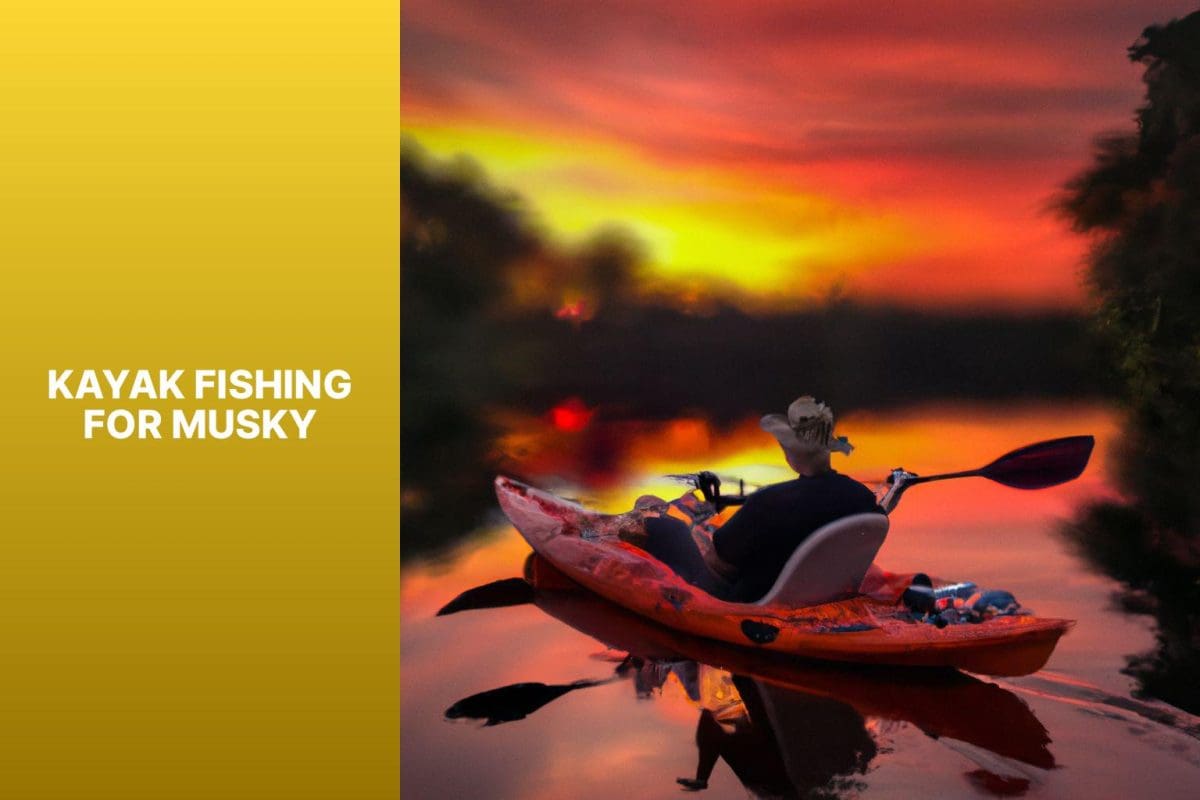
Kayak fishing for musky is a thrilling and challenging technique that involves catching musky from a kayak. Anglers actively paddle and maneuver their kayaks to target areas where musky are known to inhabit, such as weed beds, rocky structures, or drop-offs. They then cast their lures or baits using techniques like trolling, jerkbaits, or topwater lures to entice musky to bite. Kayaks provide a stealthy and nimble approach, allowing anglers to access remote and shallow areas where musky thrive. The close-to-the-water perspective adds to the excitement when battling a powerful musky from a kayak.
Kayak fishing for musky requires skill, patience, and knowledge of the musky’s behavior and habitat. It offers an opportunity to connect with nature while pursuing the ultimate freshwater predator. If you’re looking for an adventure-packed fishing experience, kayak fishing for musky could be your next pursuit.
Quick Tips for a Successful Kayak Fishing Musky Trip
- When planning a kayak fishing musky trip, it is important to follow these tips for a successful experience.
- Choose a stable and maneuverable kayak that is specifically designed for fishing. Look for models that offer ample storage space to accommodate your gear.
- Make sure to use heavy-duty fishing gear that can handle the power of musky. Strong rods, reels, and line are essential to successfully land these large fish.
- It is crucial to research and identify areas where musky are abundant, such as weed beds, rocky points, and drop-offs. These are the prime locations where you are more likely to find musky.
- For bait, make use of large and flashy lures such as topwater lures, jerkbaits, and spinners. These lures are known to attract musky effectively.
- Always practice catch and release. Handle musky with care, ensuring that they are supported properly and minimizing stress on their bodies.
- By following these tips, you can significantly increase your chances of having a successful kayak fishing musky trip.
Why Choose Kayak Fishing for Musky?
Looking to up your fishing game and reel in some musky? Look no further than kayak fishing. This section dives into the reasons why kayak fishing is a top choice for targeting this prized fish. From the stealth and maneuverability of kayaks to accessing remote fishing locations with ease, and the unmatched versatility and flexibility they offer, you’ll discover why kayak fishing is a game-changer for musky anglers. So, get ready to paddle your way to musky fishing success!
Stealth and Maneuverability
- Kayak fishing for musky offers the distinct advantage of stealth and maneuverability.
- kayak provides the perfect means for quietly navigating tight spaces and maneuvering effortlessly around obstacles that larger boats simply cannot reach.
- This exceptional feature allows anglers to target skittish musky with ease, increasing the likelihood of a successful catch.
- By remaining undetected and able to move efficiently, kayak fishermen have a significant advantage over other anglers.
- The low profile of a kayak significantly reduces the risk of spooking musky, making it an excellent choice for fishing in clear water or calm conditions.
Access to Remote Locations
Access to remote locations is a key advantage of kayak fishing for musky. With kayaks, anglers can access areas that larger boats cannot, increasing their chances of a successful catch. Kayaks are lightweight and maneuverable, making it easier for fishermen to navigate narrow channels, shallow waters, and weed-filled areas where musky like to hide. By using kayaks, anglers can approach their target without scaring them, greatly improving their chances of catching musky.
Versatility and Flexibility
The versatility and flexibility of kayak fishing for musky make it an excellent choice for anglers. Here are some reasons why:
- Kayaks offer a high level of versatility and flexibility, allowing anglers to easily navigate through tight spaces and reach inaccessible areas.
- They are also lightweight and easy to transport, making it possible to fish in various locations without the need for a boat ramp.
- Kayaks have a low profile and can glide silently through the water, offering anglers the ability to sneak up on musky without spooking them.
- With a kayak, anglers can explore remote and secluded areas that are often untouched by other fishermen. This increases their chances of finding active musky.
- A kayak also allows anglers to adapt to different water conditions and target musky in various environments.
Essential Gear for Kayak Fishing for Musky
When it comes to kayak fishing for musky, having the right gear is absolutely essential. From a stable and sufficiently sized kayak to reliable fishing rods and reels, each piece of equipment plays a crucial role in ensuring a successful fishing expedition. And let’s not forget about the tackle and lures that will entice those muskies to bite. Of course, safety should never be compromised, so proper safety equipment is a must. Get ready to dive into the world of kayak fishing for musky with the perfect gear in tow!

Stable and Sufficiently Sized Kayak
A stable and sufficiently sized kayak is crucial for successful and enjoyable kayak fishing for musky. When looking for a kayak, it is important to consider the following factors: stability, sufficient size, weight capacity, maneuverability, durability, and comfort.
Stability is enhanced by a wider hull and flat bottom, allowing you to move around and fish without fear of tipping over. The kayak’s size should comfortably accommodate you, your gear, and the size of the musky you’re targeting. It is also important to check the weight capacity to ensure it can support your weight and fishing equipment.
Maneuverability is essential in different water conditions, enabling you to navigate through narrow channels, cast accurately, and effectively battle musky. For durability, choose a kayak made from materials such as polyethylene or composite, as they can withstand rocky areas and obstacles in the water.
Comfort is another important aspect, ensuring that the kayak offers sufficient seating comfort, adjustable footrests, and backrests to support your body during long fishing trips.
Incorporating these factors into your decision-making process will result in a stable and sufficiently sized kayak. This will provide you with the confidence and stability needed to fully enjoy your kayak fishing adventure for musky.
Paddle or Pedal Drive
When kayak fishing for musky, choosing the right paddle or pedal drive is crucial for a successful experience.
Paddle: A paddle is the traditional and most common method for moving a kayak.
Pedal Drive: A pedal drive system is an advanced option for kayak fishing. It allows you to power and maneuver the kayak with your feet, leaving your hands free for fishing. The system uses fins or propellers underneath the kayak to move it. It offers a hands-free experience and precise control and maneuverability, especially in challenging conditions.
When deciding between a paddle or pedal drive for kayak fishing musky, consider your preferences, fishing style, and the water conditions. Both options have advantages, so choose the one that best suits your needs and enhances your fishing experience.
Remember, practice and familiarity with your chosen paddle or pedal drive system are essential to maximize its effectiveness. Happy kayak fishing for musky!
Fishing Rods and Reels
When fishing for musky from a kayak, it is crucial to have the right fishing rods and reels. Here are some important factors to consider:
- Length and Power: Choose a fishing rod that is at least 7 feet long and has a medium-heavy to heavy power rating. This will provide the strength and leverage required to handle big muskies.
- Action: Opt for a rod with fast or extra-fast action for quick and powerful hook sets.
- Material: Look for fishing rods made from strong and durable materials like graphite or carbon fiber, which offer excellent sensitivity and strength.
- Reel Size: Pair your fishing rod with a reel that has a high line capacity. Musky fishing often requires a significant amount of line.
- Drag System: Ensure your reel has a smooth and reliable drag system to tire out the musky without risking line breakage.
Fact: Did you know that muskies can grow to over 50 inches long and weigh more than 50 pounds? Using the right fishing rods and reels can help you catch these impressive fish!
Tackle and Lures

- To increase your chances of success in kayak fishing for musky, it is important to choose the right tackle and lures.
- Opt for heavy-duty fishing rods and reels that can handle the size and strength of musky.
- When selecting lures, go for ones that mimic the natural prey of musky, such as large crankbaits, spinnerbaits, and jerkbaits.
- It is advisable to vary your lure selection according to the conditions and preferences of the musky on the day of your fishing trip.
- Considering using live bait, such as large sucker minnows or shiners, as musky are often enticed by live prey.
- To prevent musky from breaking your line, make sure to use leaders made of steel or heavy fluorocarbon.
- It’s important to have a variety of tackle in your gear, including different sizes and colors of hooks, weights, and swivels.
- Experiment with different retrieval techniques, such as twitching, jerking, or steady retrieves, as these can trigger musky bites.
Pro-tip: For successful kayak fishing for musky, it’s crucial to have a diverse selection of tackle and lures. Adapt to the conditions and preferences of the fish, as musky can be selective and unpredictable. Try different lures and techniques until you find what works best on your trip.
Safety Equipment
When kayak fishing for musky, prioritize safety and have the necessary equipment on board.
- Personal Flotation Device (PFD): Always wear a properly fitting Coast Guard approved PFD in good condition.
- Emergency Whistle: Attach an emergency whistle to your PFD to signal for help in emergencies.
- Paddle Leash: Secure your paddle to the kayak with a leash to maintain control.
- First Aid Kit: Keep a well-stocked kit for minor injuries or emergencies.
Remember that safety should always be a priority when participating in water activities. Having the necessary equipment ensures a safe and enjoyable kayak fishing experience.
Choosing the Right Location for Kayak Fishing Musky
When it comes to kayak fishing for musky, choosing the right location is crucial. In this section, we’ll dive into the different types of locations that are ideal for pursuing these fierce and elusive fish. We’ll explore inland lakes and reservoirs, revealing the secrets they hold for musky anglers. We’ll navigate through rivers and streams, where the currents conceal thrilling opportunities. And we won’t forget the bays and inlets, where musky lurk in the hidden corners. Get ready to discover the ultimate spots for your next kayak fishing adventure!
Inland Lakes and Reservoirs
Inland lakes and reservoirs are the perfect destinations for kayak fishing musky due to their size, depth, vegetation, and abundant baitfish. Here’s why:
- Size and depth: These locations boast vast surface areas and deep depths, offering ample space for musky to thrive and increasing your chances of catching a trophy-sized fish.
- Vegetation and structure: The surrounding vegetation and underwater structures such as weed beds, rocks, and fallen trees attract musky as they provide shelter and hunting grounds. It is crucial to target these areas while kayak fishing.
- Baitfish abundance: Inland lakes and reservoirs are renowned for their high abundance of baitfish, which serve as the primary food source for musky. The presence of large schools of baitfish makes it easier for you to locate and target musky.
- Accessibility: In comparison to rivers or oceans, inland lakes and reservoirs are more accessible and easier to navigate in a kayak. With calm waters and minimal current, you can enjoy greater maneuverability, allowing you to position yourself in prime fishing spots.
- Scenic surroundings: Kayak fishing in inland lakes and reservoirs enables you to appreciate the beauty of the landscape while patiently waiting for musky to strike.
When planning your kayak fishing trip, remember to check local regulations, obtain a fishing license, and thoroughly research the specific characteristics of the chosen lake or reservoir. Practice catch and release to preserve the musky population for future generations.
Choosing inland lakes and reservoirs for your kayak fishing adventure will provide you with an exciting and rewarding experience. Happy fishing!
Rivers and Streams
Rivers and streams are great for Musky fishing. Here are the key reasons why:
- Abundant Musky Population: Rivers and streams have healthy Musky populations, making them prime locations for targeting these fish. The flowing water and varied structure provide ideal conditions for Musky.
- Active Fish Behavior: Musky in rivers and streams are more active and aggressive compared to those in stagnant waters. The current and submerged structure create excellent ambush spots where Musky wait for prey, presenting an exciting challenge for anglers.
- Natural Cover and Structure: Rivers and streams are filled with submerged logs, fallen trees, and rock formations. These provide ample cover for Musky to hide and use as ambush points.
- Accessible Fishing Spots: Rivers and streams can be easily accessed by kayaks, allowing anglers to explore and fish in remote and less pressured areas.
- Exciting Fishing Techniques: In rivers and streams, kayak anglers can use casting and retrieving, trolling, and drifting with live bait. These techniques are effective for triggering strikes from Musky.
So, if you’re looking for an adventurous and rewarding Musky fishing trip, consider exploring and fishing rivers and streams. The combination of active fish behavior, natural cover, and accessibility make them an ideal choice for kayak fishing for Musky.
Bays and Inlets
When kayak fishing for musky, bays and inlets offer great opportunities for success. Here’s why:
- Sheltered Waters: Bays and inlets are calm and protected, providing a stable fishing environment compared to open waters.
- Abundance of Food: Bays and inlets are rich in vegetation, attracting smaller prey fish. Musky love to ambush their prey in these areas, making them prime fishing spots.
- Cover and Structure: Bays and inlets have submerged structures like fallen trees, weed beds, and rock formations. These provide ideal hiding spots for musky and increase your chances of catching one.
- Less Fishing Pressure: Bays and inlets are often overlooked by many anglers, who prefer larger bodies of water. This means you may encounter fewer competitors and have more opportunities to catch a musky.
Techniques for Kayak Fishing Musky
Looking to up your game in kayak fishing for musky? Dive into the world of techniques that’ll help you hook the elusive creatures. From mastering the art of casting and retrieving to exploring the excitement of trolling, we’ll uncover the secrets to reeling in these formidable predators. So grab your paddles, gear up, and get ready for an adventure-packed section that will take your kayak fishing to new heights!
Casting and Retrieving
- Prepare your fishing rod and reel for casting and retrieving.
- Choose a suitable lure or bait for musky fishing during the casting and retrieving process.
- Position yourself in a stable position in your kayak for efficient casting and retrieving.
- Hold the fishing rod firmly in your dominant hand, with your thumb on the reel’s spool for better casting and retrieving control.
- Use your casting arm and shoulder to generate power while casting and retrieving.
- Swing the fishing rod backward parallel to the water’s surface, preparing for casting and retrieving.
- Bring the rod forward forcefully at the furthest point of the backward swing during casting and retrieving.
- Release your thumb from the reel’s spool at the right moment to propel the lure towards your desired target while casting.
- Extend your arm and point the rod tip towards the target area for accurate casting and retrieving.
- Allow the lure to sink or float briefly before beginning the retrieval process during casting and retrieving.
- Vary the speed and pattern of your retrieve to mimic injured or distressed prey, enhancing the casting and retrieving experience.
- Keep a close eye on your fishing line for signs of a strike or bite while casting and retrieving.
- If a musky strikes, reel in the line smoothly and steadily during the retrieving process.
- Be cautious when landing the musky, as they are powerful, even during the retrieving phase.
- Use a landing net or your hands to lift the musky out of the water after retrieving.
- Handle the musky with care and consider catch and release, unless regulations allow keeping the fish after the retrieving process.
Trolling
Trolling is a technique used in kayak fishing for musky. It involves dragging a baited line behind the kayak to cover a large area in search of active fish.
To be successful at trolling for musky, use the right equipment. A sturdy fishing rod and reel setup is essential. Choose a medium-heavy to heavy rod with a high-quality reel and smooth drag system.
The bait used for trolling can vary. Common lures include large crankbaits, inline spinners, and bucktail jigs. Choose lures that imitate the natural prey of musky and vary the depth and speed to entice strikes.
To be successful, pay attention to details. Vary the speed and depth of the lure to trigger a musky’s predatory instincts. Monitor the water temperature and adjust tactics accordingly.
Trolling can be effective for catching musky while kayak fishing. By using the right equipment, selecting appropriate lures, and paying attention to details, anglers can increase their chances of success.