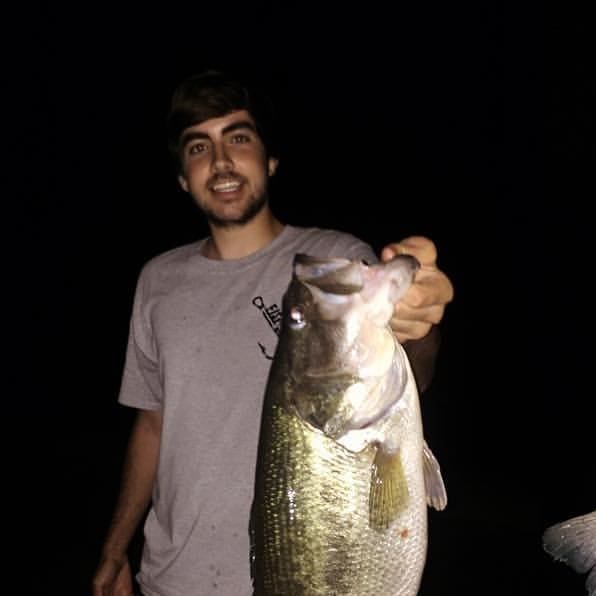
Is Pond Fish Safe to Eat? Safety & Risks
What Is Pond Fish?
Pond fish are a group of fish species that inhabit freshwater bodies, including ponds, lakes, and reservoirs. This diverse group of fish includes species like carp, bass, catfish, and trout, among others. People typically catch pond fish for both recreational purposes and consumption. However, it is crucial to consider certain factors, such as the water quality and presence of contaminants, to ensure the safety of consuming these fish. Local regulations and guidelines on fishing and consumption must be followed diligently to guarantee the safe consumption of pond fish.
Types of Pond Fish

Discover the delectable world of pond fish! From freshwater to saltwater varieties, this section explores the different types of pond fish that are not only fascinating to observe but can also be a savory addition to your dining table. Dive in as we take a closer look at the characteristics and flavors of freshwater pond fish and saltwater pond fish. Get ready to tantalize your taste buds with this aquatic adventure!
Freshwater Pond Fish
Freshwater Pond Fish are a highly sought-after option for both recreational fishing and consumption. They offer a wide range of flavors and textures, making them extremely versatile in various cooking methods. Here are some of the most commonly encountered types of Freshwater Pond Fish:
| Bass |
|---|
| Trout |
| Crappie |
| Catfish |
| Bluegill |
When choosing Freshwater Pond Fish, it is crucial to consider the water quality of their habitat. It is important to ensure that the pond is free from pollutants and remains clean. It is also essential to adhere to proper cleaning and cooking techniques to guarantee food safety.
Whether you prefer grilling, frying, or baking, Freshwater Pond Fish can be an excellent and nutritious addition to your diet. Nonetheless, it is crucial to follow local fishing regulations and always engage in sustainable fishing practices to protect the ecosystem.
Saltwater Pond Fish
Saltwater Pond Fish are a popular choice for fish enthusiasts due to their vibrant colors and unique characteristics. Here are some examples of saltwater pond fish:
| Species | Characteristics |
|---|---|
| Clownfish | These small, colorful fish are known for their distinctive stripes and can be found in various species. |
| Tang Fish | Tangs come in a variety of shapes and colors, adding beauty and diversity to a saltwater pond. |
| Butterflyfish | With their bright colors and unique patterns, butterflyfish are a favorite among saltwater fish enthusiasts. |
| Gobies | These small, bottom-dwelling fish are known for their interesting behaviors and colorful markings. |
| Triggerfish | Triggerfish are known for their unique shape and vibrant colors, making them a prized addition to saltwater ponds. |
Saltwater pond fish require specific care and a well-maintained environment to thrive. It’s important to research their individual needs and ensure they have the appropriate tank setup and diet.
Is Pond Fish Safe to Eat?
Is it safe to eat pond fish? Let’s dive into the factors that determine their safety. From environmental considerations to potential contaminants and the impact of different preparation methods, we’ll explore the various aspects that contribute to whether pond fish can be safely consumed. So, before you cast your line or head to the market, let’s uncover the truth and make informed decisions about enjoying these aquatic delicacies.
Environmental Factors
Environmental factors play a crucial role in maintaining the safety and quality of pond fish. These environmental factors encompass water pollution, habitat degradation, and climate conditions. Pond fish are at risk of being exposed to pollutants such as industrial waste, pesticides, and agricultural runoff, which can significantly impact both their well-being and the health of consumers. Additionally, habitat degradation, including vegetation loss and oxygen depletion, has an adverse effect on the overall health of fish and the delicate balance of the ecosystem they inhabit. Moreover, climate conditions, such as temperature fluctuations and rainfall patterns, play a pivotal role in shaping fish population dynamics and the availability of food resources. Consequently, comprehending and mitigating these environmental factors is crucial to ensure the safety and sustainability of consuming pond fish.
Fact: The decline of numerous fish species in ponds worldwide is attributed to overfishing and the destruction of their habitats.
Contaminants
Consuming fish from ponds can have risks for human health if the fish contain contaminants. It is crucial to be aware of the potential presence of contaminants and take the necessary precautions. In the table provided, there is a list of common contaminants that can be found in pond fish, including Mercury, PCBs, Pesticides, and Microplastics. These contaminants can have various health effects such as neurological damage, cancer, reproductive issues, developmental problems, and potential toxicity.
To minimize exposure to these contaminants, it is recommended to choose fish from ponds that are clean and well-maintained. It is important to avoid fish from water sources that are polluted or contaminated. Following guidelines for the proper cleaning and cooking of fish is also essential to reduce contamination. It is advised to stay informed about local advisories or warnings concerning fish consumption.
By being cautious and well-informed, it is possible to enjoy the benefits of pond fish while minimizing the potential risks associated with these contaminants.
Preparation Methods
Different preparation methods can enhance the flavor and texture of pond fish. Here are some techniques you can use:
| Poaching | Cook the fish in a simmering liquid, like broth or wine, for a moist and delicate result. |
| Grilling | Season the fish and cook it over direct heat for a smoky and charred taste. |
| Baking | Wrap the fish in foil or parchment paper, add herbs and spices, and bake it in the oven for a tender and flavorful dish. |
| Frying | Dip the fish in a batter or breadcrumbs and fry it in oil until golden and crispy. |
| Steaming | Place the fish in a steamer basket and steam it until it’s cooked through, resulting in a light and moist texture. |
Preparation methods, when utilized properly, can greatly enhance the flavor and texture of pond fish. Here are some techniques you can use:
| Poaching | Cook the fish in a simmering liquid, like broth or wine, for a moist and delicate result. |
| Grilling | Season the fish and cook it over direct heat for a smoky and charred taste. |
| Baking | Wrap the fish in foil or parchment paper, add herbs and spices, and bake it in the oven for a tender and flavorful dish. |
| Frying | Dip the fish in a batter or breadcrumbs and fry it in oil until golden and crispy. |
| Steaming | Place the fish in a steamer basket and steam it until it’s cooked through, resulting in a light and moist texture. |
Health Benefits of Eating Pond Fish
If you’re a seafood lover, you might be wondering about the health benefits of eating pond fish. Well, get ready to dive into this topic because we’re about to explore the nutritional value and the presence of omega-3 fatty acids in these aquatic delicacies. Buckle up and get ready to discover why adding pond fish to your diet can be a smart choice for your overall health.
Nutritional Value
The nutritional value of pond fish can vary depending on the species and its diet. Fish, in general, is an excellent source of high-quality protein, essential vitamins, and minerals. They are low in saturated fat and a good source of omega-3 fatty acids, which have been linked to numerous health benefits. Some nutrient-rich pond fish include trout, catfish, tilapia, and salmon. These fish are known to provide essential nutrients like vitamin D, vitamin B12, and selenium. Incorporating pond fish into a balanced diet can help enhance overall health and well-being.
Omega-3 Fatty Acids
Omega-3 fatty acids are essential nutrients found in certain types of pond fish, providing numerous health benefits.
| Types of Pond Fish High in | Serving Size: | Omega-3 Content per Serving: |
| Salmon | 3 oz | 1.5 – 2.0 grams |
| Mackerel | 3 oz | 1.0 – 1.5 grams |
| Sardines | 3 oz | 1.0 grams |
| Tuna | 3 oz | 0.2 – 1.0 grams |
Including pond fish high in omega-3 fatty acids in your diet can improve heart health, reduce inflammation, support brain function, and promote healthy skin. Ensure safe consumption by selecting fish from uncontaminated ponds, following proper cleaning and cooking techniques. Always consult your healthcare provider for personalized advice.
Suggestions: Incorporate pond fish rich in omega-3 fatty acids into your weekly meal plan for optimal health. Try grilled salmon with lemon and dill for a delicious and nutritious dinner option.
Tips for Safely Consuming Pond Fish
When it comes to safely consuming pond fish, there are a few handy tips you’ll want to keep in mind. From catching the fish to cleaning and preparation, and even exploring different cooking techniques, this section has got you covered. So grab your fishing gear and get ready to dive into the world of delicious and safe pond fish consumption.
Catching the Fish
Catching the fish in a pond can be an extremely rewarding experience, but it’s crucial to ensure the safety and responsibility of the process. Here are some steps to follow when catching pond fish:
- Research the type of fish you want to catch and acquire knowledge about their habitat, behavior, and feeding patterns.
- Check the local fishing regulations and procure any necessary permits or licenses.
- Select the appropriate fishing equipment, including a fishing rod, line, hooks, and bait that are suitable for the specific type of fish you’re targeting.
- Locate a suitable spot in the pond where fish are likely to be present, such as areas near vegetation, underwater structures, or feeding grounds.
- Cast your line into the water and patiently wait for a bite, while paying close attention to any movement or tension on the line.
- When you feel a bite or notice the line in motion, softly reel in the fish while maintaining a steady amount of pressure.
- Handle the fish with caution to prevent any harm. Utilize wet hands or a fishing net to safely raise the fish out of the water.
- If your intention is to release the fish, do so promptly and gently to minimize stress and increase its chances of survival.
- If you plan on keeping the fish, ensure that you have a cooler or live well prepared to maintain its freshness and preserve its quality.
- Become familiar with proper hygiene practices when cleaning and preparing the fish. This involves removing scales, gutting, and rinsing before cooking.
Always remember to practice catch-and-release whenever appropriate to maintain the pond’s ecosystem and support sustainable fishing. Enjoy the process of catching and cooking pond fish while prioritizing the well-being of the fish!
Cleaning and Preparation
When it comes to cleaning and preparing pond fish for consumption, proper steps are crucial to ensure food safety and enjoyment.
- Step 1: Start by engaging in the cleaning process. Hold the fish firmly and scrape off the scales using a scaler or a sharp knife.
- Step 2: Proceed with the preparation by gutting the fish. Make a small incision near the vent and carefully remove the internal organs.
- Step 3: Ensure cleanliness by thoroughly rinsing the fish. Use clean, running water to remove any remaining blood or debris.
- Step 4: Decide whether to fillet or cook the fish whole. Depending on your preference, you can slice the fish into fillets or leave it whole for cooking.
- Step 5: Properly handle the fish for storage or refrigeration. If you’re not cooking the fish immediately, store it in a clean container and refrigerate it promptly.
Cooking Techniques
When it comes to cooking pond fish, using the right cooking techniques is essential for a delicious and safe meal. Here are some steps to follow:
- Choose the right fish: Select fresh pond fish that is suitable for cooking, such as bass or trout.
- Cleaning and scaling: Remove the scales and gut the fish, ensuring it is thoroughly cleaned.
- Seasoning: Prepare a mixture of herbs, spices, and oil to season the fish according to your taste preferences.
- Cooking techniques: Depending on the fish, you can grill, bake, pan-fry, or steam it. Choose a technique that preserves the natural flavors.
- Internal temperature: Make sure the fish is cooked to the proper internal temperature to ensure it is safe to eat. Use a meat thermometer to check.
- Serving: Garnish the cooked fish with fresh herbs or a squeeze of lemon to enhance the flavors before serving.