The Importance of Filters and Pumps for Fish Ponds: Everything You Need to Know

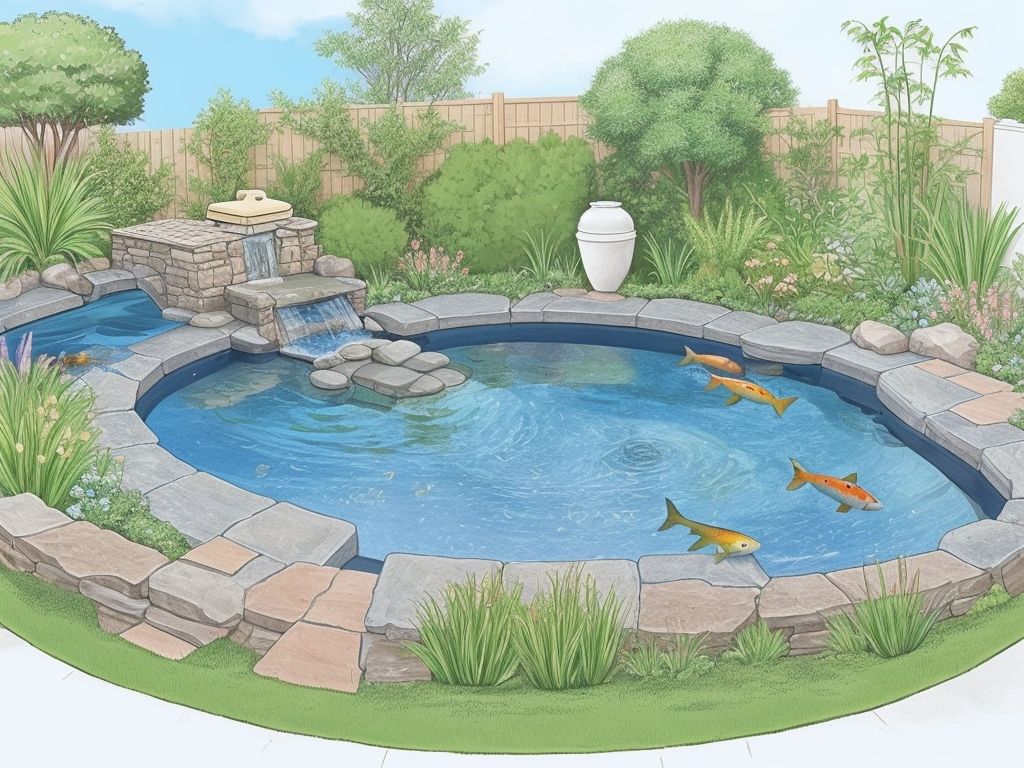
Fish ponds can be a beautiful addition to any outdoor space, providing a serene and relaxing environment. However, maintaining the health and clarity of the water is crucial for the well-being of the fish. This raises the question: Do fish ponds need filters or pumps? The answer is a resounding yes. Let’s explore why fish ponds need filtration and the types of filtration systems available. We will discuss the benefits of having a filter and the role of pumps in maintaining a healthy pond. Finally, we will delve into how filters and pumps work together and the considerations to keep in mind when choosing these components for your fish pond.
Key takeaway:
- Fish ponds need filters for proper water purification: Filters remove debris, excess nutrients, and harmful chemicals from the water, ensuring a healthy environment for the fish.
- Pumps are essential for maintaining water circulation and oxygenation in fish ponds: Pumps prevent stagnant water, improve oxygen levels, and help distribute nutrients evenly throughout the pond.
- Using filters and pumps together maximizes water quality and fish health: The combination of filters and pumps ensures effective water filtration, oxygenation, and circulation, creating optimal conditions for fish growth and well-being.
Do Fish Ponds Need Filters or Pumps?
Filters and pumps are essential for fish ponds. They play a crucial role in maintaining water quality and clarity. These filters effectively remove debris, excess food, and waste, ensuring a healthy environment for the fish. Additionally, pumps circulate the water, preventing stagnation and providing oxygen to the fish. Determining the necessity of filters and pumps depends on factors including pond size, fish species, and environmental conditions. Smaller, well-balanced ponds with a limited number of fish may not require these equipment. On the other hand, larger ponds that are heavily stocked often benefit from having filters and pumps. Therefore, it is vital to consider the specific needs of your pond and seek guidance from experts. I have a true story to share: A friend of mine neglected to install a filter and pump in his pond, resulting in poor water quality and unhealthy fish. However, after adding a filter and pump, the pond underwent a dramatic improvement, and his fish thrived.
Why Do Fish Ponds Need Filtration?
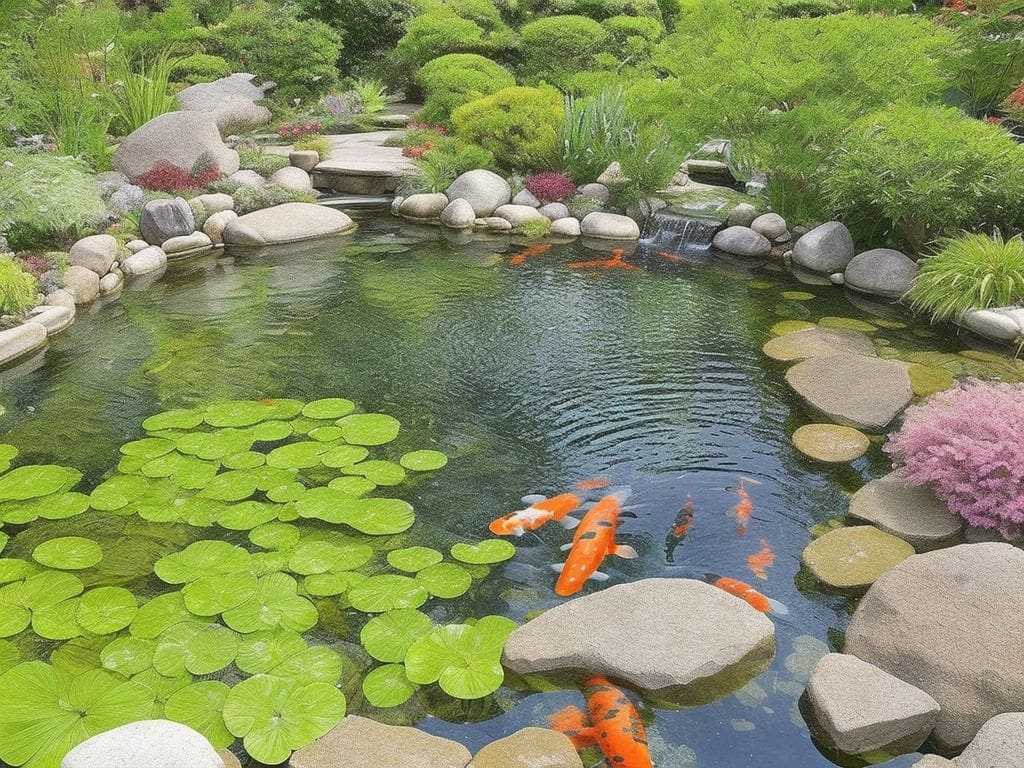
Fish ponds need filtration because it is essential for several important reasons. Why do fish ponds need filtration? Let’s explore:
1. Water Quality: Filtration plays a crucial role in removing debris, excess nutrients, and waste products from the water. This ensures a clean and healthy environment for fish, maintaining their well-being.
2. Oxygenation: Incorporating filtration systems in fish ponds often includes the use of pumps or aerators. These devices help to oxygenate the water, providing the necessary oxygen for fish survival and overall health.
3. Biological Balance: By promoting the growth of beneficial bacteria, filtration systems assist in breaking down harmful substances. This process helps to maintain a stable and balanced ecosystem within the fish pond.
4. Disease Prevention: Filtration effectively reduces the build-up of harmful bacteria, parasites, and pathogens. This significantly minimizes the risk of disease outbreaks, protecting the overall health of the fish.
What Happens If a Fish Pond Doesn’t Have a Filter?
Without a filter, a fish pond can become polluted and unhealthy for the fish. Waste from the fish and decaying organic matter can accumulate, leading to high levels of ammonia and nitrites, which are toxic to fish. Algae growth may also become excessive, reducing oxygen levels in the water. This can result in stressed and unhealthy fish, increased disease susceptibility, and even fish deaths. A filter helps to remove these waste products, maintain water clarity, and promote a healthy aquatic environment. Regular maintenance and cleaning of the filter are essential for optimal functioning.
What Are the Types of Filtration Systems for Fish Ponds?

Looking to keep your fish pond clean and healthy? Dive into the world of filtration systems! In this section, we’ll explore the different types of filtration systems that can make a significant difference in the quality of your fish pond. From mechanical filters to biological filters and even chemical filters, we’ll take a dive into each sub-section to uncover their unique benefits and contributions to maintaining optimal water conditions. Get ready to discover the secrets behind crystal clear waters and thriving aquatic life.
1. Mechanical Filters
Mechanical filters play a crucial role in fish ponds by effectively eliminating physical debris and waste from the water. These filters are designed to trap solid particles like uneaten food, fish waste, and plant material through the use of mesh or sponge barriers. By doing so, they prevent the breakdown of these particles, thereby avoiding any potential water quality issues. The inclusion of mechanical filters promotes a cleaner and healthier pond environment, ultimately ensuring optimal conditions for fish and other aquatic life. It’s important to carefully select a mechanical filter for your fish pond, taking into account factors such as pond size, fish load, and water volume. This ensures proper filtration and maintenance, leading to the overall well-being of your pond ecosystem.
2. Biological Filters
Biological filters, also known as biofilters, are an indispensable and essential component of a fish pond’s filtration system. These filters play a critical role in maintaining a balanced and healthy ecosystem for the fish. By breaking down harmful fish waste and converting it into less toxic substances, biological filters ensure the water quality in the pond remains safe. The process of waste breakdown is facilitated by beneficial bacteria that colonize the filter media. These bacteria efficiently convert ammonia, a harmful compound, into nitrites, and then further into nitrates, which are far less harmful to the fish. To maintain optimal water quality, the excess nitrates can be easily removed through regular water changes. As a result, the biological filters significantly contribute to the overall well-being and longevity of the fish in the pond.
3. Chemical Filters
Chemical filters are an essential component of filtration systems for fish ponds. They play a vital role in eliminating harmful chemicals and toxins from the water, thus guaranteeing a safe and healthy environment for the fish. The functioning of chemical filters relies on activated carbon or other absorbent materials to adsorb impurities. Their efficiency is particularly evident when it comes to the removal of pollutants like ammonia, chlorine, and heavy metals. By integrating chemical filters into your pond filtration system, you can maintain optimal water quality and promote the overall well-being of your fish. It is crucial to select the appropriate type and size of chemical filter based on your pond’s specific needs and the fish species you have. To ensure its effectiveness, remember to regularly maintain and replace the filter media.
Pro-tip: For the best outcomes, consider utilizing a combination of different types of chemical filters.
What Are the Benefits of Having a Filter in a Fish Pond?

There are numerous benefits associated with having a filter in a fish pond, which greatly contribute to the overall health and well-being of the aquatic environment.
- Improved water quality: Having a filter in place helps effectively eliminate debris, excess waste, and harmful toxins from the water. This, in turn, creates a cleaner and healthier habitat for the fish residing in the pond.
- Balanced ecosystem: By ensuring optimal water conditions, a filter supports the growth of beneficial bacteria. These bacteria play a crucial role in breaking down organic matter and maintaining a stable nitrogen cycle, thus promoting a well-balanced ecosystem.
- Enhanced oxygen levels: Filters play a vital role in promoting water circulation and aeration. As a result, they ensure an ample supply of oxygen for fish, which is essential for their respiration and overall well-being.
- Clear visibility: Keeping algae growth in check and ensuring water clarity are among the benefits provided by a filter. By reducing algae growth, the filter helps maintain the clear visibility of the water. This allows fish enthusiasts to fully enjoy the beauty of the fish and the pond.
To ensure the best filtration for your fish pond, it is important to consider factors such as pond size, fish population, and the type of filter. Conducting research on different filter options and seeking advice from experts will help you find a filter that suits your specific needs. This will contribute to maintaining a thriving and balanced aquatic ecosystem.
Do Fish Ponds Need Pumps?

Do Fish Ponds Need Pumps?
Whether fish ponds need pumps depends on various factors such as pond size, type of fish, and overall environment. If you are wondering whether your fish pond requires a pump, here are some steps to consider:
1. Assess the size of your pond and the number of fish it can support. By doing so, you can determine if a pump is necessary to maintain optimal conditions for your fish.
2. Consider the oxygen needs of your fish, especially if you have a large number of fish in a small pond. A pump can help ensure that there is sufficient oxygen dissolved in the water for the well-being of your fish.
3. Evaluate the presence of vegetation and other natural elements that can provide oxygen and filtration. While these natural elements can contribute to the pond’s ecosystem, they may not be enough to meet the oxygen needs of your fish, especially if your pond is overcrowded.
4. Determine if your fish pond is prone to algae or other water quality issues that may require filtration. A pump can aid in water circulation and filtration, preventing the buildup of harmful algae and maintaining better water quality.
5. Consult with a professional or experienced pond owner for guidance. Their expertise can help you make an informed decision on whether a pump is necessary for your specific fish pond.
Let me share a true story that highlights the importance of a pump in a fish pond. A friend of mine had a small fish pond with goldfish. Initially, he did not use a pump. However, as the fish multiplied, they started exhibiting signs of stress. To address this issue, he decided to add a small pump to improve oxygen levels. This simple addition made a significant difference, keeping the fish healthy and vibrant.
What Do Pumps Do in a Fish Pond?
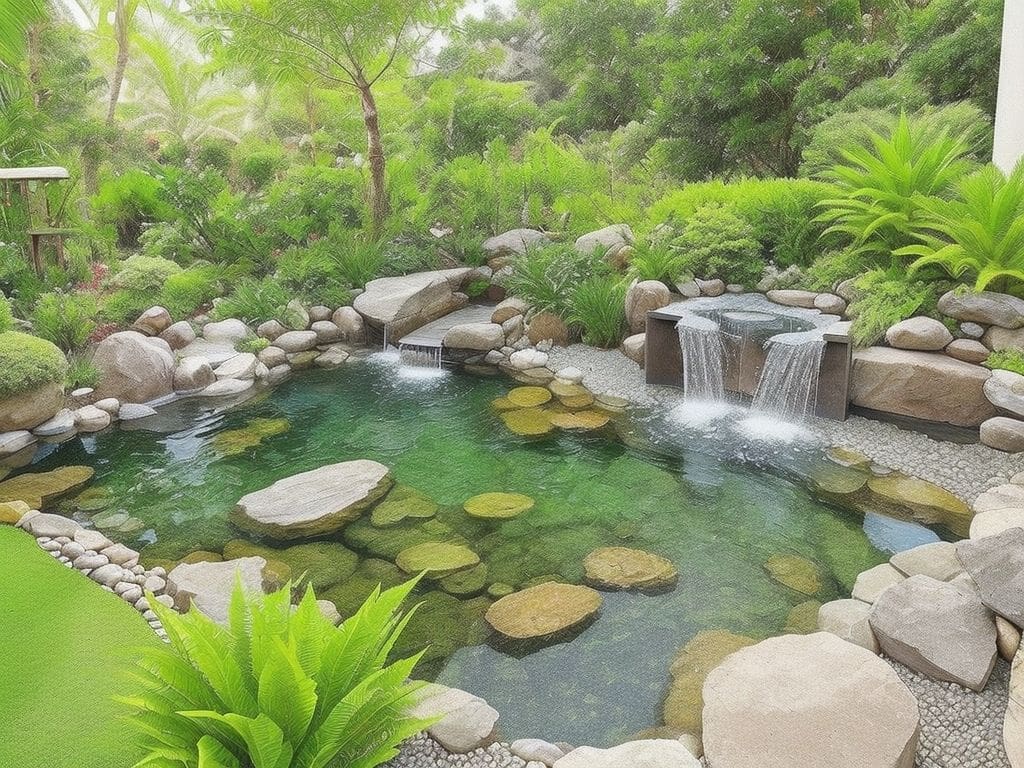
Pumps play a crucial role in maintaining a healthy fish pond ecosystem. They help to circulate and aerate the water, ensuring proper oxygen levels for the fish. Pumps also assist in filtering the water by directing it through different filtration systems, such as mechanical, biological, or chemical filters. These filters remove debris, toxins, and harmful substances, keeping the water clean and safe for the fish. Without pumps, the water in the pond can become stagnant, leading to poor water quality, inadequate oxygen levels, and the growth of harmful bacteria. Therefore, what do pumps do in a fish pond? Pumps are essential for maintaining the overall health and well-being of fish in a pond.
How Do Filters and Pumps Work Together in a Fish Pond?
Filters and pumps work together in a fish pond to maintain a clean and healthy environment for the fish. In a fish pond, filters and pumps work together to maintain a clean and healthy environment for the fish.
What are the Considerations in Choosing Filters and Pumps for Fish Ponds?

Choosing the right filters and pumps for your fish pond requires careful consideration of various factors. In this section, we will explore three key considerations that can influence your choices: pond size, fish load, and water volume and flow rate. By understanding the importance of these factors, you can make informed decisions to create a healthy and thriving environment for your aquatic companions. So, let’s dive in and discover how each of these considerations plays a crucial role in maintaining the balance and quality of your fish pond.
1. Pond Size
When determining the appropriate filter and pump system for your pond, it is important to take into account the size of your pond. To do this, follow these steps:
- Begin by measuring the dimensions of your pond, including its length, width, and depth.
- Next, calculate the volume of your pond by multiplying its length, width, and average depth.
- Additionally, consider the type and number of fish that you plan to have in your pond. It is important to note that different fish have varying oxygen requirements.
- Furthermore, factor in any additional features in your pond, such as waterfalls or fountains, as these can impact the water flow and oxygenation.
- After completing these calculations, you can then choose a filter and pump system that is capable of handling the volume of your pond and meeting the oxygen needs of your fish.
Keep in mind that it is advisable to seek professional consultation or conduct further research to ensure that you make the best decision for your specific pond.
2. Fish Load
The fish load in a pond refers to the number and size of fish living in the pond. It is an important factor to consider when determining the filtration needs of a fish pond.
| Considerations for Fish Load in Choosing Filters and Pumps for Fish Ponds: |
| 1. Population Density: A higher fish load means more waste production, requiring a filtration system with a higher capacity to handle the increased waste. |
| 2. Fish Load: Larger fish produce more waste than smaller fish, so the filtration system should be able to handle the waste output accordingly. |
| 3. Growth Potential: Consider the potential growth of the fish. If the fish are expected to grow significantly over time, the filtration system should be able to accommodate their increased waste production. |
3. Water Volume and Flow Rate
The water volume and flow rate in a fish pond are crucial factors in maintaining a healthy aquatic environment. These factors affect oxygen levels, waste removal, and overall water quality. Consider the following table to understand the importance of water volume and flow rate in fish ponds:
| Water Volume | Flow Rate | Importance |
| High | High | Ensures proper oxygenation and waste removal. |
| Low | Low | Results in stagnant water, leading to oxygen deprivation and increased waste buildup. |
| High | Low | Can cause insufficient oxygenation and increased waste accumulation. |
| Low | High | Creates excessive water movement but may not effectively remove waste. |
To maintain optimal water conditions, it is essential to choose pumps and filters that are appropriate for your fish pond’s water volume and desired flow rate. Consider consulting with a professional or researching specific pump and filter requirements for your fish species and pond size. By understanding and managing water volume and flow rate, you can ensure a thriving and healthy fish pond ecosystem.