Water Quantity: Gallons/Acre for Pond Management
A crucial aspect of pond management is understanding the water requirements for a pond. The amount of water needed for a pond depends on various factors such as its surface area, depth, and purpose. By calculating the gallons of water per acre in a pond, you can ensure optimal water levels for its intended use. Here’s what you need to know:
Understanding Water Requirements for a Pond
Determining the water requirements for a pond involves considering factors like surface area, depth, and purpose of the pond. Each of these elements plays a significant role in determining the ideal water volume.
Factors that Determine Water Requirements for a Pond
- Pond Surface Area: The size of the pond’s surface area directly affects the water capacity it can hold.
- Pond Depth: Deeper ponds have a higher water-holding capacity compared to shallow ponds.
- Purpose of the Pond: Different types of ponds have varying water requirements based on their intended use, such as decorative ponds, fish ponds, or agricultural ponds.
To calculate the gallons of water per acre in a pond, follow these steps:
- Step 1: Measure the surface area of the pond.
- Step 2: Determine the average depth of the pond.
- Step 3: Calculate the total volume of water in the pond.
- Step 4: Convert the volume to gallons.
Recommended Water Volume for Different Types of Ponds
The recommended water volume for a pond depends on its purpose:
- Decorative Ponds: These typically require less water volume to maintain their aesthetic appeal.
- Fish Ponds: Fish ponds require adequate water volume to support the fish population and maintain a healthy ecosystem.
- Agricultural Ponds: These ponds may require larger water volumes for irrigation and crop management.
Factors Affecting Water Loss in a Pond
Several factors can contribute to water loss in a pond:
- Evaporation: Sunlight and high temperatures can cause water to evaporate from the pond’s surface.
- Seepage: Water may seep into the ground if the pond’s liner or natural basin is not properly sealed.
- Drainage and Overflow: Excessive rainfall or inadequate drainage systems can lead to water overflow and loss.
Methods to Maintain the Desired Water Level in a Pond
To ensure the desired water level in a pond, consider these methods:
- Rainwater Harvesting: Collecting rainwater through rain barrels or diversion systems can help replenish pond water.
- Irrigation and Sprinkler Systems: Controlled irrigation and sprinkler systems can supplement water levels in the pond.
- Pond Liners and Compaction: Properly installed liners and compacted soil around the pond can reduce seepage and water loss.
Understanding the water requirements for your pond and implementing methods to maintain the desired water level can contribute to a healthy and thriving aquatic environment.
Understanding Water Requirements for a Pond

To gain a comprehensive understanding of the water requirements for a pond, several crucial factors must be taken into account. These factors include the pond’s size, the rate at which water evaporates, the presence of plant and animal life, and the intended purpose of the pond. It is generally recommended to allocate at least one acre-foot of water for every acre of pond space. This implies that a one-acre pond would necessitate approximately 325,851 gallons of water. It is vital to evaluate the specific circumstances surrounding the pond and consider potential water loss due to evaporation, seepage, and pumping in order to ensure an ample water supply for the pond’s needs. Developing an understanding of the water requirements for a pond is absolutely essential for the proper maintenance of a healthy aquatic ecosystem.
What Factors Determine the Water Requirements for a Pond?
Determining the water requirements for a pond depends on various factors that shape its functionality and sustainability. From the surface area of the pond to its depth and purpose, each element plays a crucial role in estimating the necessary gallons of water per acre. By understanding these factors, we can ensure the optimal water management for a pond, promoting a thriving ecosystem and meeting the specified objectives. So, let’s dive into the details and explore how these aspects affect water requirements!
Pond Surface Area
The pond surface area is a crucial aspect when it comes to determining the water requirements for a pond. It is of utmost importance to accurately measure the surface area as it directly impacts the quantity of water needed. Calculating the surface area of the pond can be accomplished by multiplying the length by the width. This measurement is vital for various pond-related calculations, including determining the number of gallons of water per acre. Additionally, it plays a crucial role in understanding factors that contribute to water loss, such as evaporation and seepage. By taking into account the pond surface area, pond owners can effectively manage water levels and ensure a sustainable and balanced ecosystem.
Pond Depth
The overall health and functionality of a pond are greatly influenced by its pond depth. Pond depth directly impacts oxygen levels, temperature, and the thriving ability of aquatic life. Different types of ponds have specific depth requirements that are recommended. To illustrate this, here is a table displaying the suggested pond depths for various types:
| Type of Pond | Recommended Depth |
|---|---|
| Decorative Pond | 1-2 feet |
| Fish Pond | 3-6 feet |
| Agricultural Pond | 8-12 feet |
Maintaining the appropriate pond depth allows pond owners to establish a suitable environment according to their desired use. Before determining the depth of a pond, it is vital to consider factors such as water availability and purpose.
Purpose of the Pond
The purpose of a pond determines its design, size, and water requirements. Consider these factors when planning a pond:
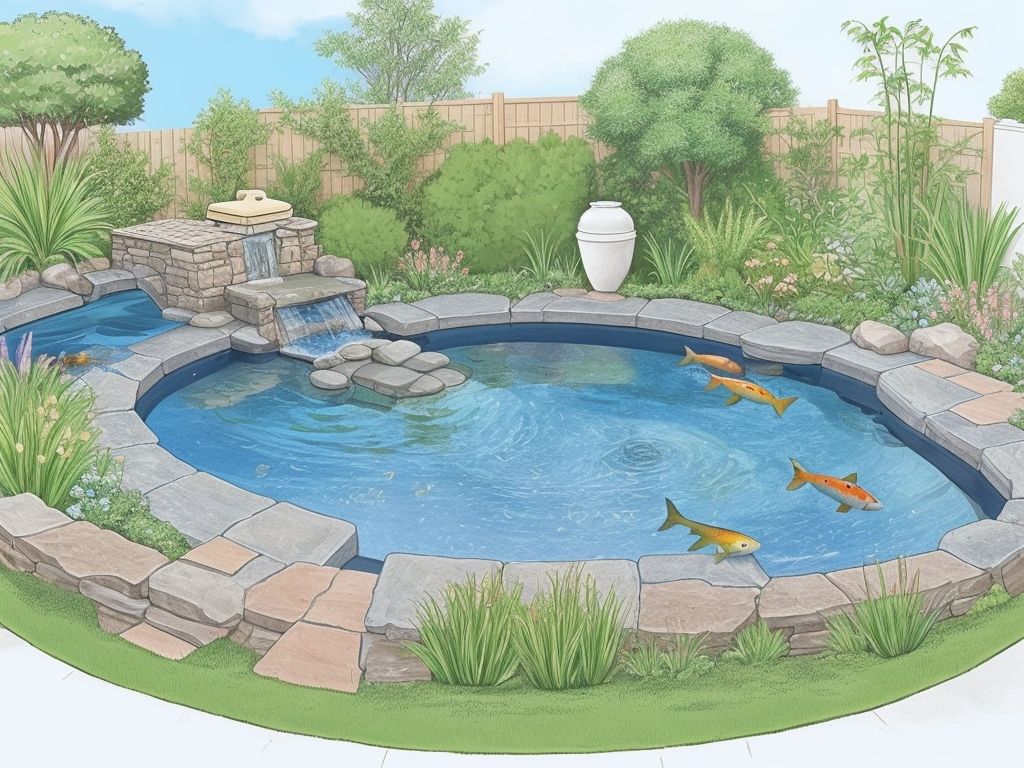
- Decorative ponds: Intended for aesthetic purposes, these ponds require minimal water volume. They often include features like fountains or waterfalls.
- Fish ponds: Designed for breeding or raising fish, these ponds require enough water to sustain fish populations and support their growth.
- Agricultural ponds: Used for irrigation or livestock watering, these ponds need sufficient water volume to meet the needs of crops or animals.
True story: A friend of mine built a fish pond in his backyard with the purpose of creating a serene environment. He carefully calculated the water volume needed based on the number of fish he planned to have. Now, his pond not only provides a peaceful retreat but also serves as a home for a thriving fish community.
How to Calculate the Gallons of Water per Acre in a Pond?

Calculating the gallons of water per acre in a pond is an essential step in understanding its water capacity. In this section, we will explore a simple yet effective method to determine this measurement. We’ll break down the process into four steps: measuring the surface area of the pond, determining the average depth, calculating the total volume of water, and converting it into gallons. By following these steps, you’ll gain valuable insights into the water capacity of your pond.
Step 1: Measure the Surface Area of the Pond
To measure the surface area of a pond, follow these steps:
Step 1: Measure length and width: Use a tape measure or measuring wheel to determine the longest distance from one end of the pond to the other. This will be the length. Then, measure the widest distance across the pond, which will be the width.
Step 2: Calculate the area: Multiply the length by the width to find the total area of the pond. For example, if the length is 50 feet and the width is 30 feet, the area would be 1,500 square feet.
Step 3: Account for irregular shapes: If the pond has irregular boundaries, break it down into smaller, regular shapes (e.g., rectangles or triangles), calculate the area of each, and then add them together to get the total pond area.
Remember, accurately measuring the surface area is crucial for calculating water requirements and maintaining the desired water level in the pond.
Step 2: Determine the Average Depth of the Pond
To determine the average depth of a pond, follow these steps:
- Use a measuring tape or a depth finder to measure the depth at various points across the pond.
- Record each measurement and make sure to determine the average depth of the pond.
- Add up all the measurements, including the measurement from Step 2.
- Divide the total by the number of measurements taken, including the measurement from Step 2, to calculate the accurate average depth of the pond.
Determining the average depth of a pond is crucial for understanding its water requirements and ensuring appropriate water volume for various purposes. Remember to measure different areas of the pond as depths can vary. By accurately calculating the average depth, you can better manage your pond’s water levels and maintain a healthy ecosystem.
Step 3: Calculate the Total Volume of Water in the Pond
- Step 1: Measure the surface area of the pond.
- Step 2: Determine the average depth of the pond.
- Step 3: Calculate the total volume of water in the pond by multiplying the surface area by the average depth.
- Step 4: Convert the volume to gallons by multiplying the total volume by 7.48 (since 1 cubic foot is equal to 7.48 gallons).
By following these steps, you can accurately calculate the total volume of water in your pond. This information will be helpful in various situations, such as determining the water requirements for aquatic life or understanding the water loss in the pond. Remember to measure the dimensions carefully for accurate results.
Step 4: Convert the Volume to Gallons
- First, measure the surface area of the pond.
- Next, determine the average depth of the pond.
- Calculate the total volume of water in the pond by multiplying the surface area by the average depth.
- Step 4: Convert the Volume to Gallons. To convert the volume to gallons, multiply the total volume by 7.48, as there are 7.48 gallons in a cubic foot.
Pro-tip: Regularly monitor the water level in your pond and check for any leaks or excessive evaporation to maintain the desired water level.
What is the Recommended Water Volume for Different Types of Ponds?

Considering the recommended water volume for different types of ponds, let’s dive into the exciting world of decorative ponds, fish ponds, and agricultural ponds. Discover the perfect amount of gallons of water per acre needed to create stunning visual displays, maintain thriving aquatic life, and support agricultural endeavors. With fascinating facts and expert insights, you’ll gain a clear understanding of how water volume influences the success and functionality of various types of ponds.
Decorative Ponds
Decorative ponds can greatly enhance the beauty and tranquility of any outdoor space. When planning and maintaining these stunning water features, there are several essential factors to consider:
- Pond Size: It is important to carefully determine the appropriate size for your specific outdoor space and the desired aesthetic impact.
- Water Volume: Calculate the gallons of water per acre by taking into account the pond’s surface area and average depth. This calculation will help you ensure an ideal water volume.
- Plant Selection: To further enhance the pond’s beauty and provide a suitable habitat for wildlife, carefully choose aquatic plants that complement the overall design.
- Filtration System: Installing an effective filtration system is crucial to maintaining water clarity and preventing unwanted algae growth.
- Aeration: To promote optimal oxygen levels and establish a healthy ecosystem, it is recommended to incorporate aeration devices within the pond.
- Water Features: Enhance the visual appeal of the decorative pond by incorporating enchanting waterfalls, captivating fountains, or ornamental statues.
- Maintenance: Regularly monitoring and maintaining water quality, removing debris, and controlling the growth of unwanted plants are essential tasks to ensure the longevity and pristine condition of the pond.
Fish Ponds
- When designing and managing fish ponds, it is important to consider factors such as water requirements, volume calculations, and methods to maintain the desired water level.
- Here are key steps to follow when designing and managing fish ponds:
- First, determine the surface area of the fish pond.
- Next, measure the average depth of the fish pond.
- Then, calculate the total volume of water in the fish pond.
- Convert the volume to gallons for easier measurement.
- It is important to also consider the recommended water volume for fish ponds.
- Efficiently manage water loss through evaporation, seepage, drainage, and overflow.
- Maintain the desired water level by utilizing rainwater harvesting, irrigation systems, and pond liners.
With these steps, you can ensure optimal water conditions for your fish ponds.
Agricultural Ponds
Agricultural ponds, also known as farm ponds, have multiple purposes in farming. They are essential for irrigation, livestock watering, and aquaculture. The water requirements for these ponds vary based on factors like their size, intended use, and water loss due to evaporation, seepage, and drainage. To determine the recommended water volume for agricultural ponds, it is crucial to consider the specific needs of crops or livestock as well as the prevailing climate conditions. Implementing methods like rainwater harvesting, efficient irrigation systems, and the use of pond liners can help maintain the desired water level and reduce water loss. Undeniably, agricultural ponds play a fundamental role in supporting farming activities and ensuring the availability of water for agricultural operations.
Factors Affecting Water Loss in a Pond

Water loss in a pond is influenced by several factors that we need to consider. In this section, we will explore the different elements that affect water loss in a pond: evaporation, seepage, drainage, and overflow. Each of these factors plays a crucial role in understanding how many gallons of water are lost per acre in a pond. So, let’s dive in and uncover the key contributors to water loss in ponds.
Evaporation
Evaporation is a natural process that affects the water level in a pond. Here are steps to minimize water loss due to evaporation:
- Cover the pond’s surface with floating plants or a pond cover to shade the water and reduce exposure to sunlight.
- Install a windbreak to reduce the effect of wind on evaporation.
- Use water-deflecting devices like fountains or waterfalls to break up the water surface and decrease evaporation.
- Maintain proper vegetation around the pond to provide shade and reduce evaporation.
- Monitor and adjust the water level regularly to ensure it stays within the desired range.
By following these steps, pond owners can help minimize water loss through evaporation and maintain the desired water level.
Seepage
Seepage is a significant factor affecting water loss in a pond. It refers to the gradual leakage of water through the soil and the pond liner. Seepage can cause a decline in the water level and can be influenced by various factors such as the type of soil, the composition of the pond liner, and the water pressure in the pond. To combat seepage, pond owners can consider using impermeable liners or compacting the soil to reduce permeability. Regular monitoring of the water level and addressing any seepage issues promptly can help maintain the desired water volume in a pond.
| Factors | Causes | Solutions |
| Soil Type | Porous soil allows water to seep through easily. | Use impermeable liners or clay to minimize seepage. |
| Pond Liner | Damages or improper installation of the liner can lead to seepage. | Repair or replace the liner as necessary. |
| Water Pressure | High water pressure in the pond can force water to seep through the soil. | Manage the water level and consider installing drainage systems or overflow outlets. |
Throughout history, people have grappled with the challenge of controlling seepage in ponds. Ancient civilizations used techniques like puddling clay and compacting soil to reduce seepage. Today, modern materials and technologies have revolutionized pond construction, offering more effective solutions for minimizing seepage and maintaining the desired water level. Understanding the complex dynamics of seepage and implementing appropriate measures ensures the longevity and functionality of ponds for various purposes.
Drainage and Overflow
Drainage and overflow are crucial considerations for effectively managing the water level in a pond. To address this issue, there are several methods available:
- Implementing a drainage system is vital. This involves incorporating a network of pipes or channels that redirect surplus water away from the pond, thus preventing overflow.
- Constructing an overflow structure such as a spillway or overflow outlet at a higher elevation is another effective approach. This helps in safely diverting excess water.
- Utilizing a siphon system using a siphon tube allows for precise control of the water level and facilitates draining off any surplus water as required.
- Building a retention pond adjacent to the main pond acts as a reservoir to collect and retain excess water, thus averting overflow in the primary pond.
By efficiently managing drainage and overflow, pond owners can maintain the water level within the desired range. This not only prevents damage to the surrounding area but also promotes a healthy ecosystem.
Methods to Maintain the Desired Water Level in a Pond

Looking to keep your pond’s water level just right? We’ve got you covered. In this section, we’ll dive into various methods that can help you maintain the desired water level in your pond. From rainwater harvesting to irrigation and sprinkler systems, as well as pond liners and compaction techniques, we’ll explore practical approaches to ensure that your pond’s water remains at the optimal level. Say goodbye to water level worries with these effective strategies.
Rainwater Harvesting
Rainwater harvesting is a highly efficient technique for maintaining the desired water level in a pond. To successfully implement rainwater harvesting, follow these step-by-step guidelines:
- Set up a rainwater collection system, such as rain barrels or cisterns, at the edges of the pond.
- Ensure proper positioning of the collection system to maximize rainfall capture.
- Create and install a gutter system to redirect rainwater into the collection system.
- Incorporate a filtration system to eliminate debris and contaminants from the collected rainwater.
- Store the filtered rainwater in the collection system until it is required.
- Utilize either a pump or gravity flow system to transfer the harvested rainwater into the pond whenever necessary.
- Regularly monitor the water level in the pond and repeat the rainwater harvesting process when needed.
By practicing rainwater harvesting, you can diminish dependence on other water sources while ensuring a sustainable water supply for your pond.
Irrigation and Sprinkler Systems
Irrigation and Sprinkler Systems are crucial for maintaining the desired water level in a pond and ensuring the proper distribution of water for plants. To effectively use these systems, follow these steps:
- Choose the appropriate Irrigation and Sprinkler System: Select a system that matches the size and shape of your pond as well as the watering needs of your plants.
- Strategically position the sprinklers: Place the sprinklers in areas where water coverage is most needed, taking into consideration the types of plants and their layout.
- Adjust the water flow: Set the sprinkler heads to provide a consistent water flow, preventing both overwatering and underwatering.
- Control the scheduling: Program the Irrigation System to water at suitable intervals, considering factors such as weather conditions and the water requirements of the plants.
- Maintain the system: Regularly inspect for leaks, clogs, and broken sprinkler heads to ensure efficient operation.
Additionally, consider utilizing water-saving features like drip irrigation or rain sensors to conserve water. Properly functioning Irrigation and Sprinkler Systems can greatly contribute to a healthy and flourishing pond ecosystem.
Pond Liners and Compaction
Pond liners and compaction are vital considerations for maintaining the desired water level in a pond. Here are some crucial points to note:
- Pond liners: Utilizing a top-notch pond liner is essential in preventing water leakage and seepage. It acts as a barrier between the soil and the pond, effectively containing the water.
- Compaction: Ensuring proper soil compaction around the pond is crucial for minimizing water loss caused by seepage. This process creates a denser soil with reduced permeability, significantly reducing the risk of water escaping from the pond.
By addressing pond liners and compaction, you can effectively mitigate water loss and maintain the desired water level in your pond.