Bass and Koi: Can They Coexist in the Same Pond?
Largemouth Bass and Koi are both popular fish species often found in ponds and water gardens. While it is possible to house them together, there are important considerations to take into account. Understanding the differences between Bass and Koi is crucial in determining their compatibility.
Bass are predatory fish known for their aggressive behavior, while Koi are peaceful and sociable. The coexistence of these species requires careful attention to factors such as water quality, feeding and dietary needs, as well as compatibility and temperament.
Maintaining proper water quality is essential for the health and well-being of both Bass and Koi. While Bass prefer water with lower pH levels and higher oxygen content, Koi thrive in slightly alkaline water. Balancing these requirements is essential for their cohabitation.
Feeding and dietary needs differ significantly between the two species. Bass are carnivorous and require a diet consisting of live prey or high-protein pellets. Koi, on the other hand, are omnivorous and mainly feed on plant matter, insects, and commercial fish food. Providing appropriate food for each species is crucial for their proper nutrition.
Compatibility and temperament play a significant role in determining if Bass and Koi can coexist peacefully in the same pond. Bass, being predatory by nature, may pose a threat to the safety of Koi. The size difference between the two species may lead to potential aggression or stress for the Koi.
However, there are potential benefits to housing Bass and Koi together. Bass can serve as natural pest control by preying on unwanted fish or insect populations. The contrasting appearance of Bass and Koi can create an aesthetically pleasing pond with diverse colors and forms.
While there are benefits, potential challenges exist when housing Bass and Koi together. Predation is a significant concern, as Bass may target and prey on Koi. Overpopulation and growth control can also become an issue, as Bass tend to reproduce more rapidly compared to Koi. Adequate measures should be taken to manage these challenges effectively.
Can Bass and Koi be in the Same Pond?
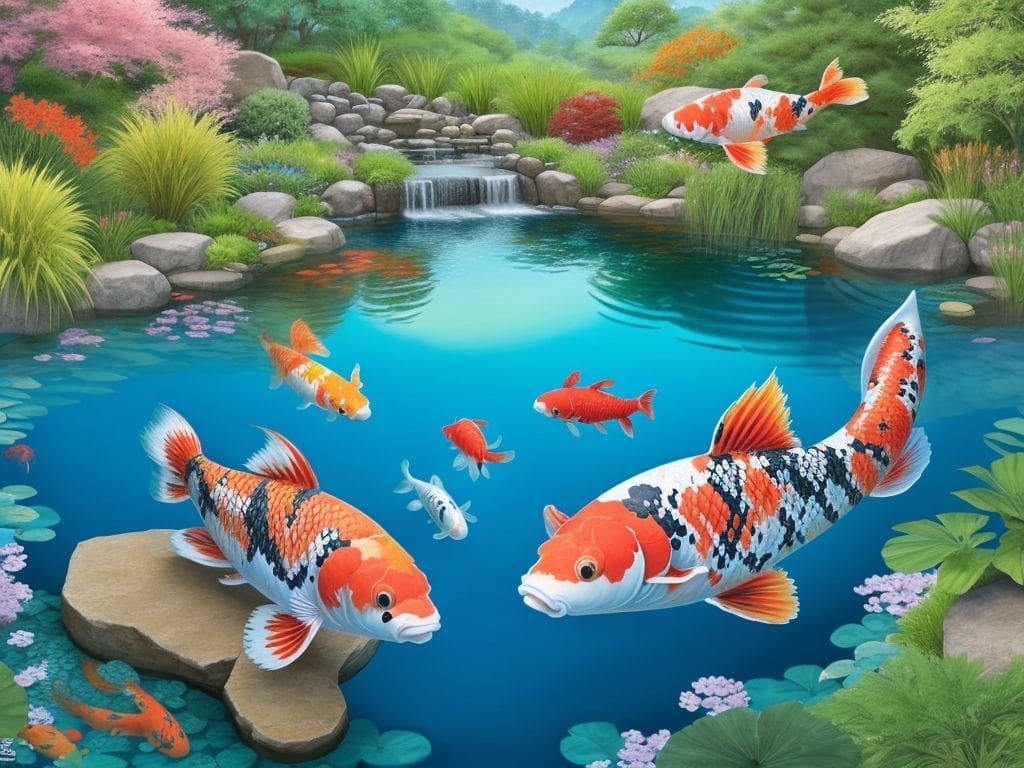
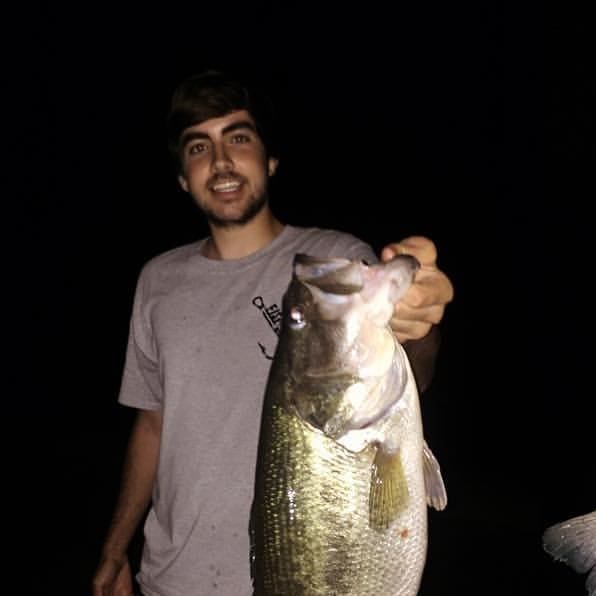
Photo Credits: Jordanlikesfish.Com by Michael Davis
Bass or koi? Ever wondered if they can peacefully coexist in the same pond? Here’s what you need to know: we’ll dive into the differences between bass and koi to shed light on their compatibility. Brace yourself for insights that will help you make informed decisions about your pond-dwellers. So, can these finned friends swim together harmoniously? Let’s find out.
Differences Between Bass and Koi
| Bass | Koi |
| Typically found in freshwater lakes and rivers. | Originally from Asia, bred for their vibrant colors. |
| Predatory fish, known for their aggressive feeding habits. | Peaceful fish, often kept for ornamental purposes. |
| Require high dissolved oxygen levels in water. | Tolerate a wide range of oxygen levels. |
| Prefer cooler water temperatures. | Can tolerate a wider range of temperatures. |
| Feed on smaller fish, insects, and crustaceans. | Primarily eat plant matter and commercial fish food. |
Understanding these differences between Bass and Koi is crucial when considering whether Bass and Koi can be housed together in the same pond.
Considerations for Housing Bass and Koi Together
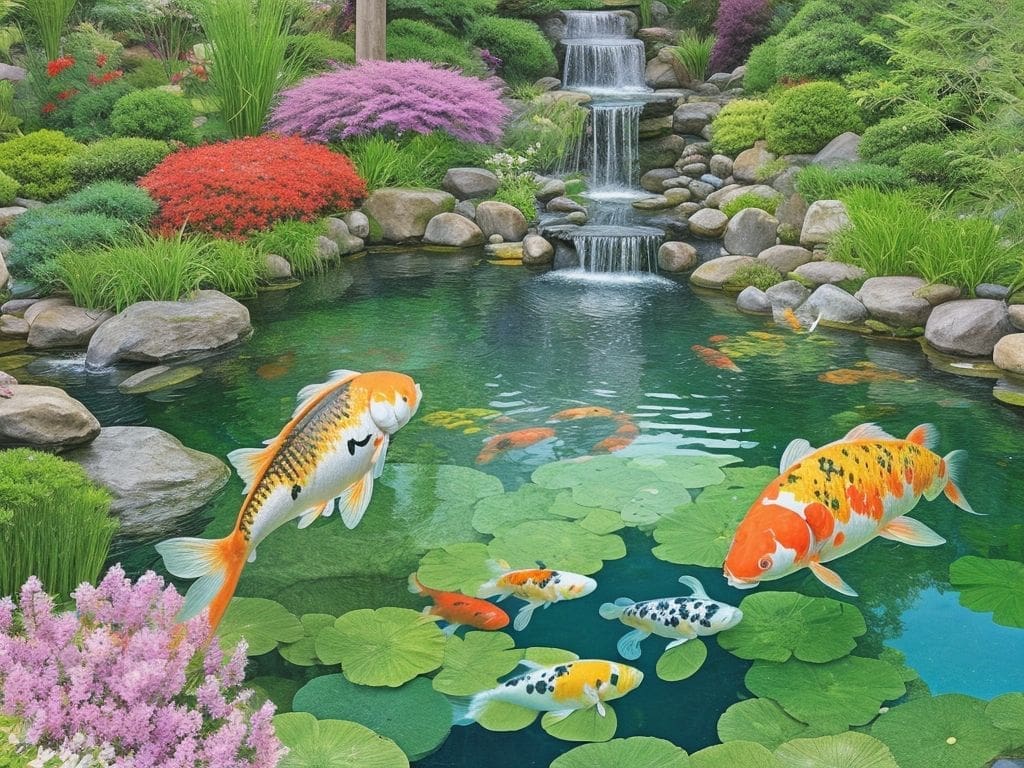
When it comes to housing bass and koi together, there are several important considerations to take into account. From ensuring water quality requirements are met to understanding their dietary needs, we’ll explore the key factors that make these two species compatible companions in the same pond. We’ll uncover the benefits that come with housing bass and koi together, offering a fascinating look into the possibilities of this cohabitation. Stick around to discover how these aquatic species can create a harmonious environment.
Water Quality Requirements
Water quality is a crucial factor when considering housing bass and koi together in the same pond. Maintaining appropriate water conditions is essential for the health and well-being of both fish species. Here’s a table highlighting the water quality requirements for bass and koi:
| Water Quality Requirements | Bass | Koi |
| Temperature | 60-75°F | 70-75°F |
| pH Level | 6.5-7.5 | 7-8.5 |
| Ammonia | 0 ppm | 0 ppm |
| Nitrite | 0 ppm | 0 ppm |
| Nitrate | Below 40 ppm | Below 40 ppm |
| Dissolved Oxygen | 5-7 mg/L | 5-7 mg/L |
It’s important to regularly test and maintain these water parameters to ensure the optimal conditions for both species. Proper filtration, water changes, and monitoring are necessary to meet their specific water quality needs. Fun Fact: Bass can detect changes in water temperature and pH, which can affect their feeding patterns.
Feeding and Dietary Needs
When housing Bass and Koi together, their feeding and dietary needs should be carefully considered to ensure their health and well-being. Here is a table that highlights the key differences in their feeding requirements:
| Feeding and Dietary Needs | Bass | Koi |
| Food Type | Prefer live food such as minnows or insects | Primarily eat plant matter and commercially prepared koi food |
| Feeding Frequency | Feed 1-2 times a day, only what they can consume in a few minutes | Feed 2-3 times a day, providing enough food to be consumed within 5 minutes |
| Protein Content | Require high protein content in their diet (around 40%) | Require a moderate protein content in their diet (around 30%) |
| Supplemental Diet | May benefit from occasional supplementation with vitamins and supplements | May require color-enhancing pellets or occasional supplementation with vegetables |
By understanding and meeting the specific feeding and dietary needs of both Bass and Koi, you can ensure that they thrive and coexist harmoniously in the same pond.
Compatibility and Temperament
When considering housing bass and koi together, it is important to take into account their compatibility and temperament. Here are some factors to consider:
- Size: Bass are voracious predators and can grow much larger than koi. Mixing large bass with small koi can result in predation.
- Aggression: Bass are aggressive fish and may attack or nip at the fins of koi. Koi, on the other hand, are relatively peaceful and can become stressed in the presence of aggressive fish.
- Habitat: Bass prefer a more natural, heavily vegetated environment, while koi thrive in well-maintained ponds with open spaces and filtration systems.
- Feeding Habits: Bass are carnivorous and feed on live prey, while koi are omnivorous and are primarily fed a diet of pellets or flakes.
Considering these factors, it is generally best to house bass and koi separately to ensure the well-being and safety of both species.
Benefits of Housing Bass and Koi Together
Housing bass and koi together can provide several benefits for pond owners.
- Balanced ecosystem: Housing bass and koi together can result in a balanced ecosystem in the pond as bass help control the population of smaller fish.
- Reduced algae growth: The presence of bass contributes to reduced algae growth by consuming smaller organisms that contribute to algae blooms in the pond.
- Natural pest control: Bass housed with koi can assist in controlling insect populations, thereby reducing the reliance on chemical pesticides for pest control.
- Visual appeal: Housing both bass and koi together creates a visually striking display in the pond, enhancing its overall beauty.
- Education and observation: Observing the interactions between bass and koi in the pond provides educational opportunities and fosters a deeper appreciation for the natural world.
In Japan, it is common to find traditional gardens known as “koi-kois,” where bass and koi are housed together. This practice, dating back centuries, showcases the beneficial effects of housing bass in the pond alongside koi. This symbiotic relationship between the two species has become a cherished tradition, enriching the aesthetics and overall health of the pond ecosystem.
Potential Challenges of Housing Bass and Koi Together
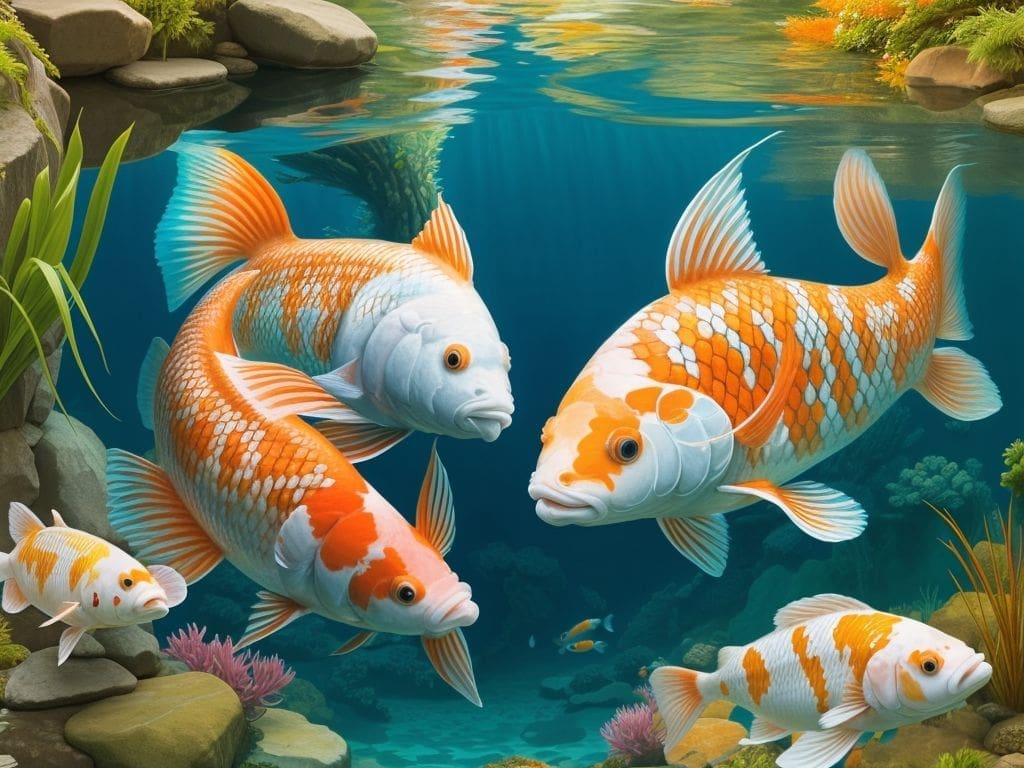
When considering housing bass and koi together, we must be aware of the potential challenges that may arise. In this section, we’ll delve into two key aspects: predation and fish safety, as well as overpopulation and growth control. Get ready to dive into the fascinating intricacies of maintaining harmony between these two mesmerizing aquatic species, and discover the factors that play a crucial role in creating a successful cohabitation environment.
Predation and Fish Safety
Predation and fish safety are crucial factors to consider when cohabitating bass and koi in the same pond. Bass, known for being predatory fish, can pose a threat to koi, particularly those that are smaller or slower-moving. To ensure the safety of the fish, it is important to provide sufficient hiding spots such as plants or structures, which can help protect koi from being pursued or devoured by bass. Regular monitoring of the pond is essential, as it allows for the separation of any bass that display aggressive or overly predatory behavior, thus fostering a peaceful environment for both species. Additionally, maintaining a balanced population and size of fish in the pond can effectively reduce predation and enhance fish safety.
Overpopulation and Growth Control
Overpopulation and growth control
Properly managing the issue of overpopulation and implementing effective growth control measures are crucial considerations when cohabiting bass and koi together in the same pond. In the absence of adequate management, both species have the potential to multiply rapidly, giving rise to problems such as overcrowding and hindered growth. It becomes imperative to incorporate strategies that can effectively regulate population growth in order to uphold the well-being of the pond ecosystem in a balanced manner. These strategies encompass regular monitoring and removal of surplus fish, imposing size limitations, and even the introduction of natural predators. By addressing the challenges of overpopulation and growth, pond owners can secure the long-term health and sustainability of both bass and koi populations effectively.