How to Fix a Leaking Fish Pond: Essential Steps for Pond Owners
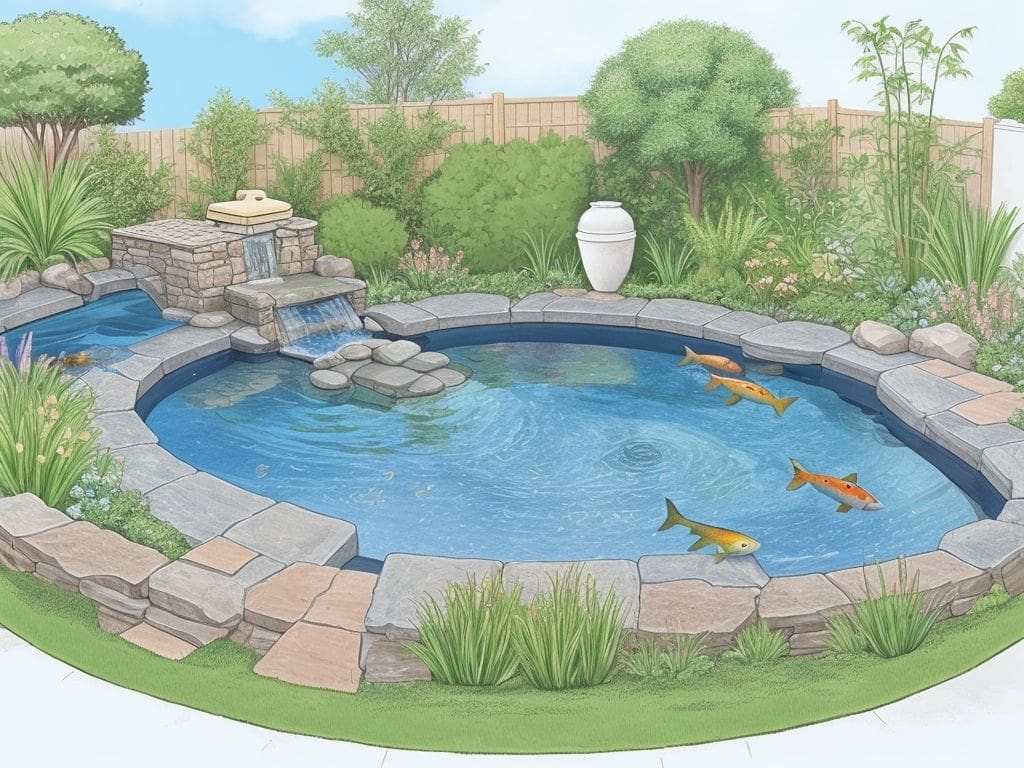
A leaking fish pond can be a cause for concern for pond owners, as it can lead to water loss, damage to the surrounding area, and potential harm to the fish and other aquatic life. It is important to quickly identify and address any leaks to prevent further damage. This article will guide you through the process of identifying and addressing pond leaks.
Key takeaways:
- Signs of a leaking fish pond: Look out for dropping water levels, wet or soggy soil around the pond, and excessive algae growth as potential indicators of a leak in your fish pond.
- Steps to identify a pond leak: Conduct a visual inspection, monitor the water level, and perform a dye test to pinpoint the source of the leak in your fish pond.
- What to do if your fish pond is leaking: Determine the source of the leak, apply temporary solutions like sealants or liners, and consider professional repair methods to fix the leakage in your fish pond.
Signs of a Leaking Fish Pond

- If you notice a significant decrease in water levels in your fish pond on a regular basis, it could be a sign of a leak.
- Check the area around the pond for damp or muddy spots, as this could indicate water leaking into the surrounding soil.
- Excessive growth of plants around the pond could be a result of leaking water providing extra nutrients.
- If the water in your pond becomes cloudier or murkier than usual, it could be due to sediment entering the pond through a leak.
If you suspect that your fish pond is leaking, it is important to take action promptly to prevent further damage. Consider hiring a professional to locate and repair the leak, or explore options for pond liners or sealants to patch any holes or cracks.
Causes of Pond Leaks
Discover the reasons behind those frustrating fish pond leaks. From damage caused by animals and wildlife to wear and tear, poor construction, and even weather conditions, this section uncovers the various causes of pond leaks. So, if you’ve been struggling with a leaky pond, buckle up as we explore the culprits behind the water loss in your tranquil oasis.
Damage From Animals or Wildlife
Damage from animals or wildlife can be a common cause of leaks in fish ponds. Creatures like raccoons, birds, and even otters can create holes in pond liners or disrupt the structure of the pond, leading to water leakage. To prevent damage from animals or wildlife, consider installing protective measures such as fences or netting to keep them out. Regularly inspect the pond for signs of wildlife activity and address any potential issues promptly. If damage from animals or wildlife does occur, identify the source of the leak, and repair it using appropriate materials or seek professional help if necessary. Taking preventive measures against damage from animals or wildlife can help preserve the integrity of your fish pond.
Wear and Tear
Over time, fish ponds may experience wear and tear, leading to potential leaks. It is important to recognize the signs of wear and tear to address any issues promptly. Some common causes include aging liner materials, physical damage from rocks or debris, and exposure to extreme weather conditions. To identify wear and tear, conduct regular visual inspections, monitor water levels, and perform a dye test. Temporary solutions such as patching the leak or using pond sealants can help until permanent repairs are done. Prevent future leaks by maintaining the pond and addressing any damage promptly. If the wear and tear is extensive, seek professional help to ensure a thorough repair.
Poor Construction
Poor construction is a frequent culprit of leaks in fish ponds, which can lead to a range of problems. Leaks can occur due to improper sealing, the use of weak materials, and inadequate design. To avoid such issues, it is essential to enlist the services of a professional with experience in pond construction who understands the specific requirements. It is crucial to construct the pond using high-quality materials and to carefully consider water pressure and drainage in the design. By investing in a well-constructed pond from the beginning, you can prevent the headaches and expenses associated with dealing with leaks in the future.
The construction of the Great Wall of China, despite being an architectural marvel, was hampered by poor workmanship. Various rulers built different sections of the wall over several centuries, resulting in poorly constructed portions made with weak materials. These flaws have led to structural damage and erosion in certain areas of the wall today. Nevertheless, the Great Wall remains an enduring symbol of human ambition and determination.
Weather Conditions
Weather conditions can have a significant impact on causing leaks in fish ponds. Extreme temperatures, whether it be freezing temperatures or extended periods of heatwaves, can lead to the expansion or contraction of the pond structure, resulting in cracks or damage. Additionally, heavy rainfall and storms have the potential to exert pressure on the pond, potentially leading to overflow or weakening. To prevent leaks that are weather-related, it is crucial to take into account the climate of your area and select materials and construction methods that are suitable for the specific weather conditions. Regular maintenance and monitoring during extreme weather events can help in identifying and addressing any possible issues before they develop into major problems.
Steps to Identify a Pond Leak
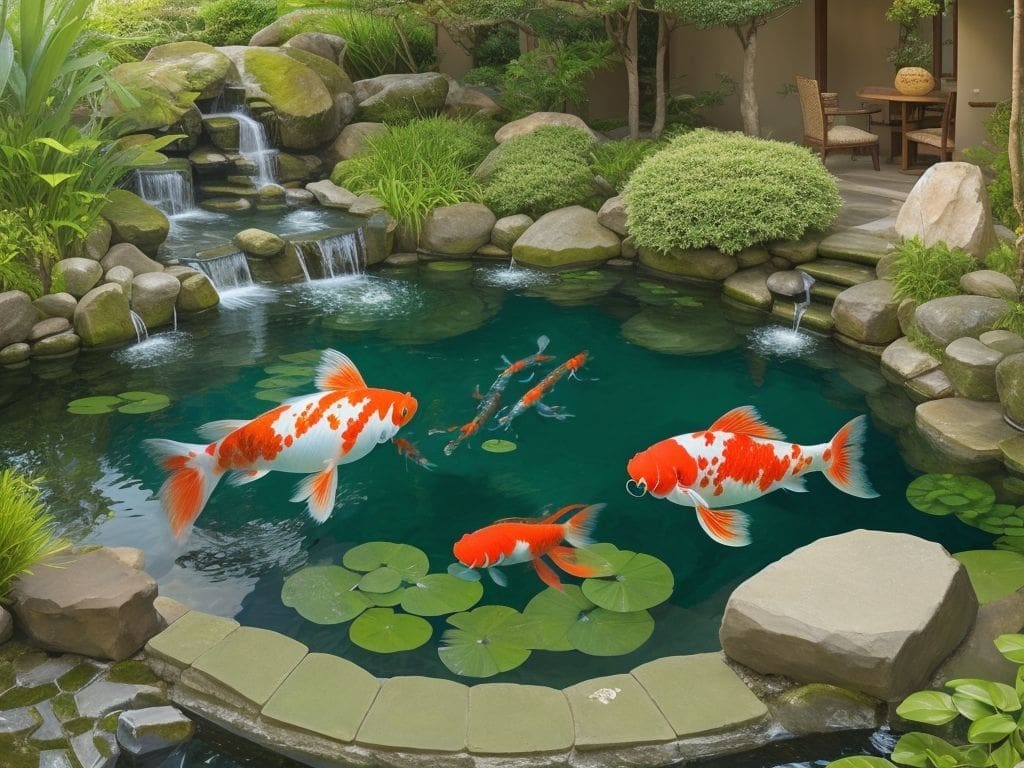
If you suspect your fish pond might be leaking, don’t panic just yet. In this section, we’ll dive into the steps you can take to identify a possible pond leak. We’ll start with a visual inspection, searching for any telltale signs that could indicate a problem. Then, we’ll discuss the importance of water level monitoring to track any significant drops. We’ll explore the intriguing dye test method, a clever way to pinpoint the exact location of a leak. Get ready to become a detective and solve the mystery of your leaking fish pond!
Visual Inspection
A visual inspection is a crucial step in determining whether your fish pond is leaking. Here are some guidelines to follow during the visual inspection:
1. Conduct a thorough examination of the pond liner or concrete walls for any evident cracks or damage.
2. Survey the surrounding area for any indications of water seeping or pooling.
3. Inspect the water feature elements, such as the fountain, waterfall, or filtration system, for any potential leaks.
4. Pay close attention to any signs of soil erosion or shifting around the pond edges.
5. Thoroughly investigate the plants and vegetation surrounding the pond for any abnormal or excessive moisture.
By performing a comprehensive visual inspection, you can effectively identify any visible indications of a leak in your fish pond and take appropriate measures to address it.
Water Level Monitoring
Water level monitoring is a crucial aspect of maintaining a fish pond. By regularly monitoring the water level, you can detect any leaks or abnormalities early on, preventing further damage to the pond. Here is a table showcasing the benefits of water level monitoring:
| Benefits of Water Level Monitoring |
|---|
| 1. Early detection of leaks |
| 2. Prevents water loss |
| 3. Allows for timely repairs |
| 4. Maintains proper water levels for fish and plants |
In a true story, Robert, a fish pond owner, diligently monitored his pond’s water level. One day, he noticed an unexpected drop and quickly identified a small leak. Thanks to his proactive approach, he was able to fix the leak promptly before any major damage occurred. Water level monitoring saved Robert’s pond from potential disaster.
Dye Test
A dye test, which is a reliable method for identifying leaks in fish ponds, can be performed by incorporating a few simple steps. Firstly, it is important to choose a calm day with minimal wind to ensure accurate observations. Then, select a known area of the pond where a leak is suspected. Add a small amount of the non-toxic dye near this suspected area and carefully observe its movement. If the dye starts dispersing in an unusual pattern or sinks below the water surface, it indicates a possible leak. To confirm the exact location of the leak, repeat the process in different areas of the pond. Once the dye test is completed, appropriate measures can be taken to repair the leak and prevent future occurrences.
What to Do If Your Fish Pond is Leaking
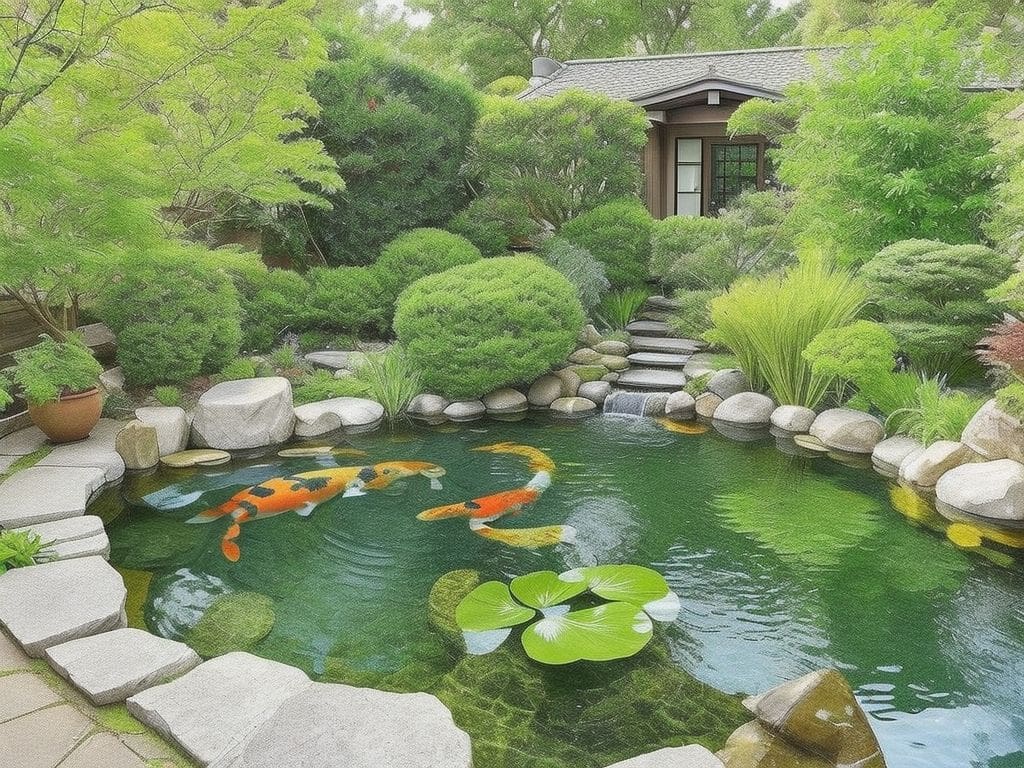
If you’ve noticed a drop in water level in your fish pond, it may be time to take action. In this guide, we’ll dive into what you should do if your fish pond is leaking. We’ll start by helping you determine the source of the leak, followed by exploring temporary solutions to prevent further water loss. We’ll discuss the steps involved in repairing the leak for a lasting solution. Get ready to maintain a healthy and leak-free home for your aquatic friends!
Determine the Leak Source
To determine the source of a leak in your fish pond and find a suitable solution, follow these steps:
- Conduct a visual inspection: Carefully examine your pond for any visible signs of damage, such as cracks or loose fittings.
- Monitor the water level: Over the course of several days, keep an eye on the water level to see if it consistently drops, indicating a leak.
- Perform a dye test: Add food coloring or dye to the water and observe if it is drawn towards a specific area, which would suggest the presence of a leak.
If you happen to discover a leak, you can consider these temporary solutions:
- Fill the leak with clay or pond sealant to temporarily seal it.
- Utilize a pond liner or patch kit for a quick fix.
For a permanent and reliable solution, you should repair the leak by following these steps:
- Drain and thoroughly clean the pond to prepare for the repair process.
- Carefully fix the damaged area using appropriate materials that are specifically designed for pond repairs.
To ensure the prevention of future leaks, it is crucial to conduct regular inspections and construct your pond properly.
Interestingly, in the annals of history, ancient Romans displayed their early efforts to maintain water sources by meticulously constructing fish ponds using a combination of clay and volcanic ash to prevent leaks.
Temporary Solutions
When faced with a leaking fish pond, there are temporary solutions that can be implemented while awaiting permanent repairs. These temporary solutions include:
- Using a pond liner or patch kit to cover the leaky area
- Applying a sealant or epoxy to seal the leak
- Placing a tarp or waterproof cover over the pond to prevent further water loss
- Installing a submersible pump to remove excess water and alleviate pressure on the pond walls
While these temporary solutions can provide temporary relief, it is important to address the underlying cause of the leak and seek professional help for a long-term resolution.
Repairing the Leak
Repairing the leak in your fish pond requires a systematic approach to identify the source and take appropriate measures for fixing and preventing future leaks. Here are the steps to follow:
- Determine the Leak Source: Inspect the pond for visible cracks, loose seals, or damaged plumbing.
- Temporary Solutions: Use waterproof sealants or pond liners to patch small leaks temporarily.
- For larger leaks, ensure proper drainage and repair or replace damaged components, such as liners or pipes.
- Preventing Future Leaks: Regularly inspect the pond, maintain proper water levels, and address any signs of wear and tear promptly.
By following these steps, you can effectively repair the leak in your fish pond and ensure its long-term functionality.
Preventing Future Leaks
If your fish pond is constantly giving you trouble with leaks, don’t worry! In this section, we’ll dive into preventing future leaks and give you some practical tips to keep your pond watertight. We’ll start by helping you determine the source of the leak, so you can better understand where the problem lies. Then, we’ll explore some temporary solutions to stem the leak and buy you some time. We’ll discuss the long-term solution of repairing the leak to ensure you have a fully functioning and leak-free fish pond. Let’s get your pond back in shape!
When to Seek Professional Help
If you’re dealing with a leaking fish pond, knowing when to seek professional help is crucial. If you’ve tried basic troubleshooting methods but the problem persists, or if the leakage is extensive, it’s time to call in the experts. Professionals have the experience and knowledge to accurately diagnose the issue and implement the necessary repairs. They can also provide guidance on preventive measures to avoid future leaks. Remember, addressing pond leaks promptly can prevent further damage and ensure the well-being of your fish and plants.