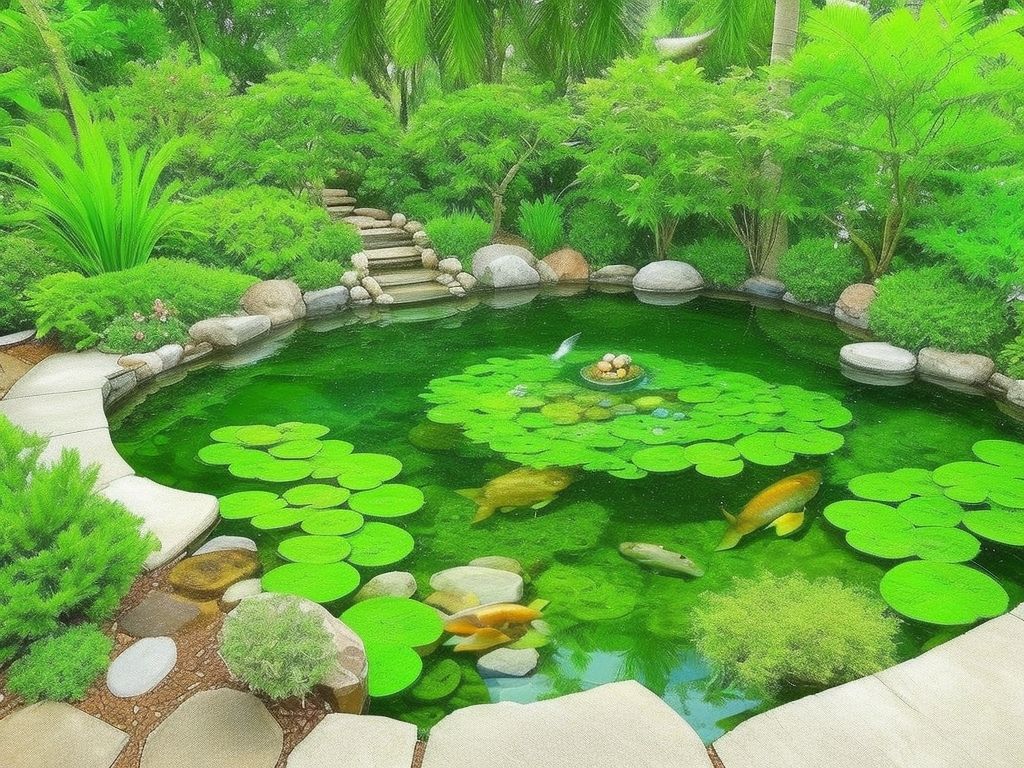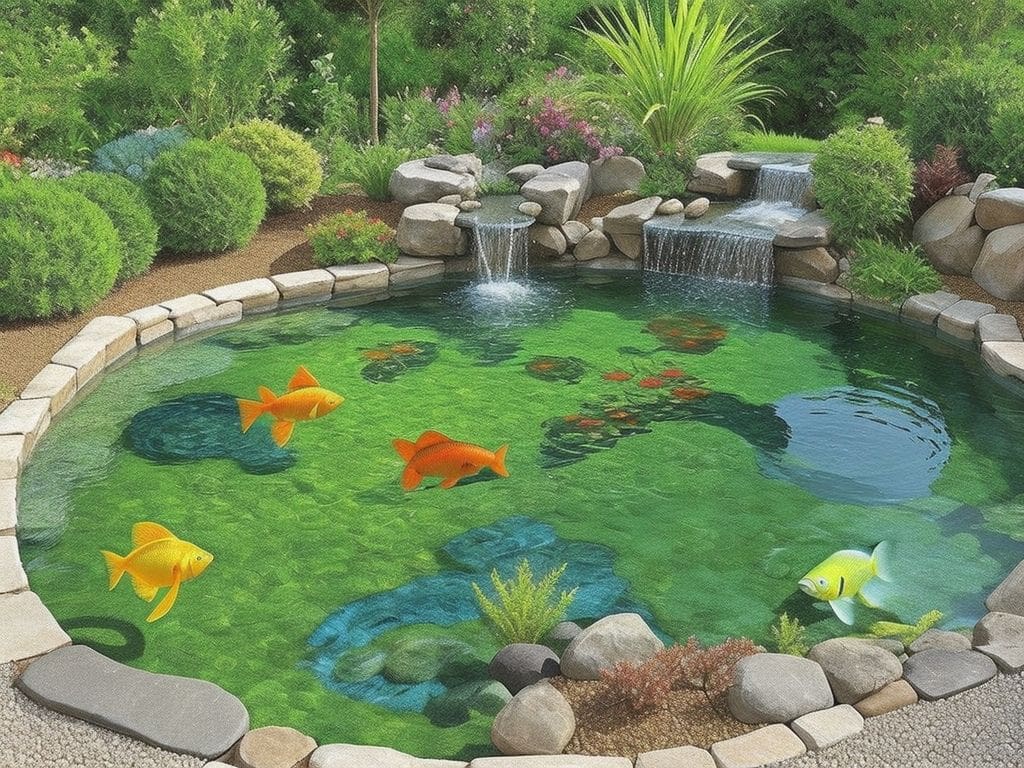
How to Clear Green Fish Ponds: Expert Tips for Crystal Clear Water

Having a green water problem in your fish pond can be frustrating and concerning. Green water is a common issue faced by pond owners, and it is essential to understand its causes, effects, prevention, and treatment. By exploring the factors that lead to green water and implementing preventive measures, you can maintain a healthy and clear pond environment for your fish. Here is a breakdown of the essential information to address this problem effectively.
Key takeaway:
- Green water in fish ponds is often caused by algal blooms and excessive nutrients, which can negatively impact the health of the fish and the aesthetic appeal of the pond.
- To prevent green water, proper filtration, limiting nutrient input, and regular maintenance are essential. These measures help maintain the water quality and prevent the growth of algae.
- Treating green water in fish ponds can be done through the use of beneficial bacteria, installation of UV sterilizers, or chemical treatments. Each method has its pros and cons, depending on the severity of the issue and the desired outcome.
What Causes Green Water in Fish Ponds?
Green water in fish ponds can be a real headache for pond owners. But have you ever wondered what actually causes this frustrating phenomenon? In this section, we’ll dive into the two main culprits: algal bloom and excessive nutrients. Prepare to uncover the fascinating world of microscopic organisms and the delicate balance of nutrients in your fish pond. By understanding the causes behind green water, you’ll be one step closer to restoring clarity and maintaining a thriving aquatic environment. Get ready to bid farewell to that green tint!
Algal Bloom
An algal bloom is a common problem in fish ponds that can occur when there is an excessive growth of algae in the water, resulting in a greenish appearance. This issue is often caused by factors such as high nutrient levels, poor water circulation, and sunlight exposure. Algal blooms can have several negative effects on fish ponds, including reduced oxygen levels and an imbalance in the ecosystem. To effectively prevent algal blooms, it is essential to ensure proper filtration, control nutrient levels, and regularly maintain the pond. Implementing treatments such as the use of beneficial bacteria, UV sterilizers, and chemical treatments can also aid in managing algal blooms. By incorporating these measures, one can naturally control the occurrence of algal blooms and maintain a clear and balanced fish pond.
Excessive Nutrients
Excessive nutrients in fish ponds can result in the development of green water, or algal bloom. This occurrence happens when there is an imbalance of nutrients, such as phosphates and nitrates, present in the water. These particular nutrients can originate from various sources like fish waste, decaying organic matter, or the over-fertilization of pond plants. When an excessive amount of nutrients exists, it provides an ideal environment for microscopic algae to prosper, leading to the water taking on a green color. To prevent the accumulation of excessive nutrients, it is crucial to maintain a balanced ecosystem by implementing proper filtration, limiting the input of nutrients, and conducting regular pond maintenance.
Effects of Green Water in Fish Ponds
The effects of green water in fish ponds can have various negative impacts on the overall health and well-being of the pond and its inhabitants. These effects include reduced visibility, decreased oxygen levels, and hindered growth and reproduction of fish. Additionally, the excessive growth of algae responsible for green water can deplete essential nutrients for other aquatic plants, thereby disturbing the ecological balance. Furthermore, green water can make it challenging to monitor the condition and behavior of the fish, thereby hindering proper care and maintenance. Therefore, it is crucial to address and prevent the effects of green water through the implementation of appropriate filtration systems and regular pond maintenance.
How to Prevent Green Water in Fish Ponds?

Tired of dealing with green water in your fish pond? Don’t worry, we’ve got you covered! In this section, we’ll dive into the ultimate solutions for preventing green water in fish ponds. From ensuring proper filtration to limiting nutrient input and keeping up with regular maintenance, we’ll explore expert-backed tips and tricks to help you maintain crystal-clear water in your fish pond. Get ready to bid farewell to the green and hello to a healthier aquatic environment for your fishy friends!
Proper Filtration
Maintaining a clear and healthy fish pond is dependent on proper filtration. Proper filtration is of utmost importance as it helps remove suspended particles and excess nutrients, which are major contributors to green water. A highly effective filtration system, such as one that utilizes filter mats and UV sterilizers, can be instrumental in controlling and preventing algal blooms. To ensure the filtration system functions optimally, regular maintenance such as filter cleaning and ensuring good circulation is crucial. By implementing the right filtration methods, you can establish and sustain a balanced ecosystem in your fish pond, resulting in water that is clear and free from green coloration. Here’s an interesting fact: Did you know that a well-maintained and balanced fish pond has the ability to attract beneficial wildlife, including birds and insects?
Limit Nutrient Input
To limit nutrient input in fish ponds and prevent green water, consider the following steps:
Proper feeding: In order to limit nutrient input, it is important to avoid overfeeding fish. This will help reduce excess nutrients in the water.
Manage vegetation: Controlling the growth of aquatic plants is crucial in preventing them from consuming excessive nutrients. By managing vegetation effectively, you can limit nutrient input into the pond.
Reduce runoff: Minimizing the use of fertilizers and pesticides around the pond is essential to prevent nutrient-rich runoff. This will help reduce nutrient input and maintain the water quality.
Monitor fish load: To limit nutrient buildup, it is advisable to avoid having an excessive number of fish in the pond. The waste produced by fish contributes to nutrient accumulation. By monitoring the fish load, you can control and limit the nutrient input.
Regular maintenance: Cleaning filters and removing debris on a regular basis is vital to maintain a balanced ecosystem and reduce nutrient levels. This practice helps limit nutrient input and promotes clear and healthy water in the fish pond.
By implementing these practices, you can effectively limit nutrient input, maintain proper functionality, and ensure clear, healthy water in your fish pond.
Regular Maintenance
Regular maintenance plays a crucial role in maintaining the clarity of fish ponds and preventing issues related to green water. To highlight the key aspects of regular maintenance for fish ponds, the following table provides a summary:
| Aspect | Description |
| Regular Maintenance | It is important to regularly test the water for pH, ammonia, nitrites, and nitrates levels to ensure a balanced ecosystem. |
| Filter Cleaning | As part of regular maintenance, it is necessary to clean and replace the filter media to maintain its proper functionality and effectively remove suspended particles. |
| Plant Maintenance | To prevent nutrient buildup and ensure good circulation, it is essential to trim and remove excess vegetation as a part of regular maintenance. |
| Debris Removal | Regularly removing leaves, dead plants, and other debris is crucial to prevent organic matter buildup and reduce nutrient imbalance. |
| Algae Control | As a part of regular maintenance, it is beneficial to implement natural control methods such as beneficial bacteria and UV sterilizers to limit the growth of free-floating algae. |
How to Treat Green Water in Fish Ponds?
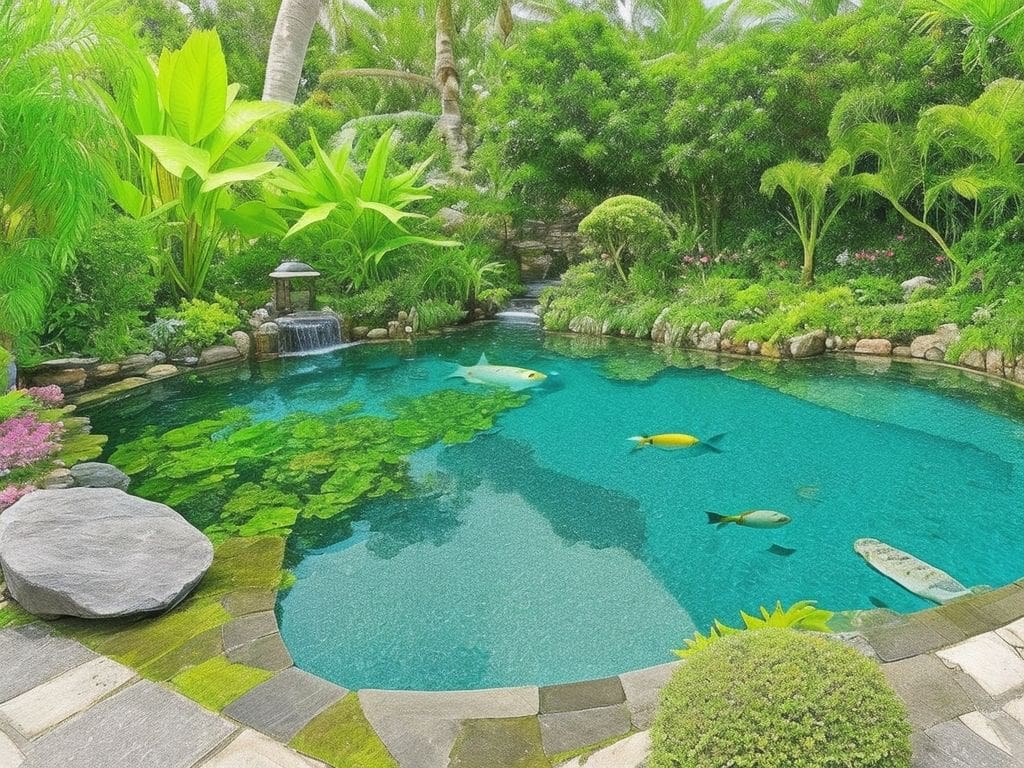
Dealing with green water in fish ponds? Here’s the ultimate guide on how to treat it! We’ll explore some effective methods, such as harnessing the power of beneficial bacteria, implementing UV sterilizers, and considering chemical treatments. Say goodbye to murky ponds and hello to crystal-clear waters that’ll make your fish thrive! Trust us, these tried-and-true techniques will transform your green pond into a picturesque oasis. Get ready to dive in and discover the secrets to a vibrant and healthy fish habitat!
Use of Beneficial Bacteria
Using beneficial bacteria is an effective way to treat green water in fish ponds due to their ability to regulate nutrient levels and break down organic matter. This process ultimately reduces the growth of algae, which causes the water to turn green. To incorporate the use of beneficial bacteria in your pond maintenance routine, consider the following strategies:
|
By implementing the use of beneficial bacteria, you can effectively control the growth of green water and maintain a healthy and clear pond environment for your fish.
Installation of UV Sterilizer
Installation of a UV sterilizer in your fish pond is an effective solution to control green water caused by excessive algae growth. Here are the steps to properly install a UV sterilizer:
- Choose the right size UV sterilizer based on the volume of your pond.
- Install the sterilizer in the water circulation system, preferably after the mechanical filter.
- Ensure proper functionality by connecting the sterilizer to a dedicated power source.
- Position the UV bulb inside the sterilizer according to the manufacturer’s instructions.
- Run the sterilizer continuously, as directed, for optimum results.
- Regularly clean the quartz sleeve and bulb to maintain efficiency.
- Monitor the water clarity and algae growth, making adjustments if necessary.
By installing a UV sterilizer, you can effectively control green water and maintain a clear and healthy ecosystem in your fish pond.
Chemical Treatments
| Types of Chemical Treatments |
| 1. Algaecides: These chemicals contain active ingredients that specifically target and kill algae, helping to clear green water in fish ponds. |
| 2. Water Clarifiers: These treatments work by binding with suspended particles and settling them to the bottom of the pond, resulting in clearer water. |
| 3. Flocculants: Used to clump particles together, making them easier to filter or remove from the water. This helps to reduce suspended particles and improve water clarity. |
| 4. Phosphate Binders: These treatments bind with phosphates, which are essential nutrients for algae growth. By reducing phosphate levels, they inhibit algae growth and help prevent green water. |
| 5. UV Clarifiers: UV lights are used to destroy single-celled, planktonic algae, effectively clearing green water and promoting a healthier pond environment. |