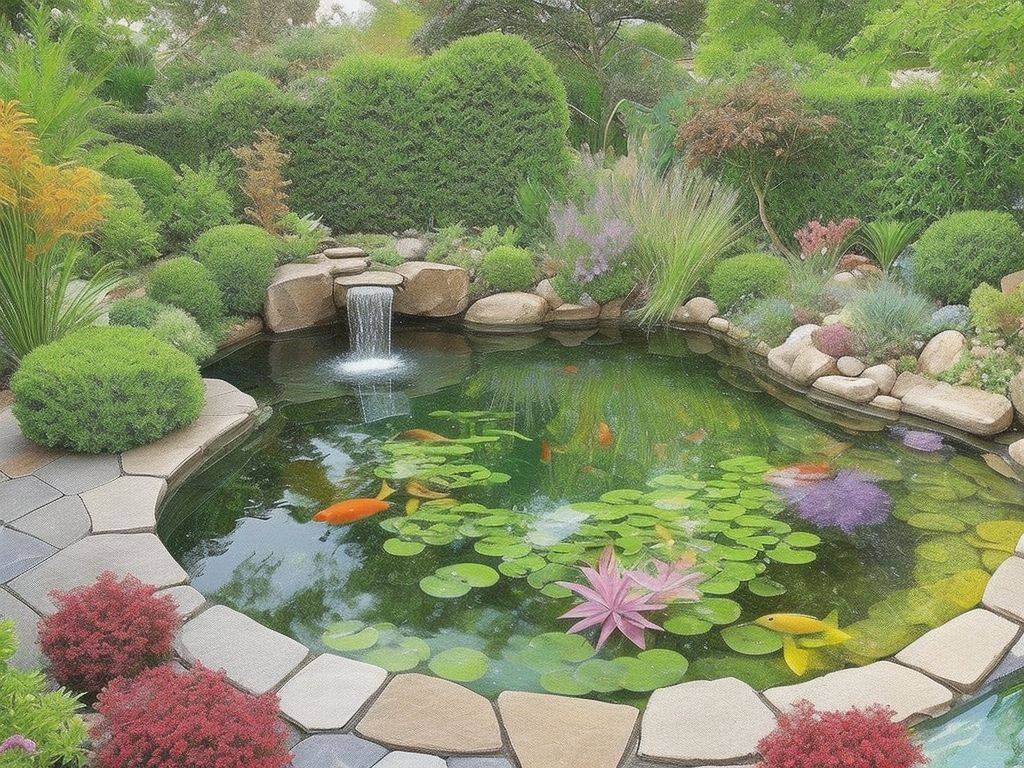
The True Cost of Stocking a Fish Pond: A Comprehensive Guide

Fish ponds are a popular feature for both recreational and commercial purposes. However, the cost of stocking a fish pond can vary depending on various factors. Understanding these factors and their associated costs is crucial for planning and budgeting purposes.
Key takeaways:
- Pond size, fish species, quantity, and source affect the cost of stocking a fish pond.
- The main cost breakdown includes fish fingerlings, feed, pond preparation, maintenance, equipment, supplies, and water quality management.
- Additional costs and considerations include aeration system, fish health care, permit and licensing fees, and insurance.
Factors Affecting the Cost of Stocking a Fish Pond

Curious about the cost of stocking a fish pond? Well, let’s dive into the factors that influence it. From the size of the pond to the types of fish and their quantities, we’ll uncover how each element impacts the overall expense. Oh, and don’t forget about the source of fish – where you get them can also affect the cost. So, grab your fishing gear and let’s explore the intriguing world of fish pond stocking costs!
Pond Size
The pond size has a significant impact on the cost and feasibility of stocking it with fish. Determining the size of a fish pond is crucial as larger ponds necessitate a larger number of fish to adequately populate the space, thus increasing stocking costs. Moreover, larger ponds may require additional preparations and more frequent maintenance tasks such as the installation of aeration systems and regular management of water quality. Conversely, smaller ponds offer a more cost-effective approach to stocking, requiring fewer fish and less maintenance. When contemplating the size of a fish pond, it is important to strike a balance between cost considerations, the desired fish population, and the available resources.
Fish Species
Different fish species have different requirements and costs associated with stocking a fish pond. Here is a comparison of three common fish species:
| Fish Species | Cost per Fingerling | Feed Requirements |
|---|---|---|
| Common Carp | $1.50 | Herbivorous |
| Bass | $2.50 | Carnivorous |
| Catfish | $2.00 | Omnivorous |
As seen in the table, the cost per fingerling and the type of feed required vary among fish species. Understanding the specific needs of each species is crucial to ensure their successful growth and development in the pond.
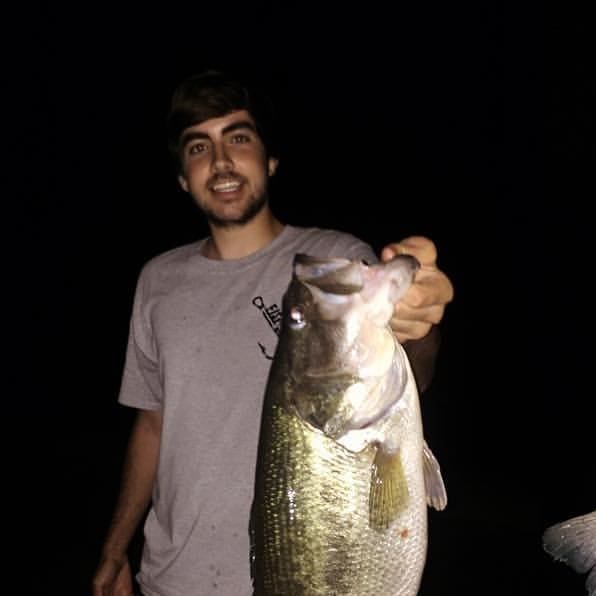
True history: In the early 1900s, the introduction of bass species, such as largemouth bass, to different regions led to their popularity among anglers. Today, bass fishing remains a popular sport, with various tournaments held worldwide. The adaptability and aggressive feeding habits of bass make them a sought-after fish species for stocking fish ponds.
Fish Quantity
The quantity of fish to stock in a pond, also known as fish quantity, depends on several factors such as the pond size, fish species, and desired outcome. It’s important to consider these factors when determining the appropriate fish quantity for stocking a fish pond.
To provide some guidance, the following table showcases an ideal stocking density for three common fish species in a 1-acre pond:
| Species | Quantity per Acre |
|---|---|
| Bass | 100-150 |
| Catfish | 500-1000 |
| Bluegill/Sunfish | 1000-1500 |
However, it’s important to note that these numbers are general guidelines and can vary based on pond conditions and management goals. Consulting with a local fishery expert can help determine the appropriate fish quantity for stocking a fish pond.
Source of Fish
The source of fish for stocking a fish pond is a crucial factor to consider. Different sources offer a variety of options and prices. Here is an example of a table showcasing the different sources of fish:
| Source of Fish | Description |
|---|---|
| Hatcheries | Specialize in breeding and raising fish specifically for pond stocking. They offer a wide range of species and sizes. |
| Local Fisheries | Provide local fish species that are adapted to the region’s climate and conditions. They usually offer limited options but can be more cost-effective. |
| Online Suppliers | Offer convenience and a wide selection of fish species. Shipping costs and potential stress on the fish during transportation need to be considered. |
Historically, people have sourced fish for their ponds through various methods. In ancient times, fish were collected from nearby rivers and lakes to stock ponds. With the development of aquaculture, hatcheries became the primary source of fish. Nowadays, a combination of hatcheries, local fisheries, and online suppliers offer diverse options for pond owners.
Cost Breakdown of Stocking a Fish Pond

Curious to find out how much it really costs to stock a fish pond? Look no further! In this section, we’ll dive into the cost breakdown of stocking a fish pond, covering everything from fish fingerlings or stockers to feed, pond preparation and maintenance, equipment and supplies, and water quality management. Get ready to uncover the financial aspects of creating a thriving fish pond and gain valuable insights into the expenses involved in this rewarding endeavor.
Fish Fingerlings or Stockers
Fish fingerlings or stockers are a vital element when stocking a fish pond. These young fish are typically acquired from hatcheries and are necessary to establish a healthy and thriving fish population. Below is a table highlighting the cost of different types of fish fingerlings or stockers:
| Fish Species | Price per 1000 Fingerlings |
|---|---|
| Common Carp | $200 |
| Bass | $300 |
| Catfish | $400 |
It’s important to carefully consider the fish species based on your pond’s ecosystem and your goals for the pond. Factors such as the size and quantity of fish fingerlings or stockers needed will affect the overall cost. To make stocking a fish pond more cost-effective, consider purchasing fingerlings in bulk, maintaining good water quality, and implementing effective fish health care practices.
Feed
Selecting the right feed for your fish pond is essential for their growth and overall health. Here are some considerations to keep in mind:
- Nutritional content: Choose a feed that provides a balanced diet, including proteins, fats, carbohydrates, vitamins, and minerals. Look for feeds specifically formulated for your fish species.
- Feed form: Decide between pellet, crumble, or powder feeds. Pellets are the most common and convenient option, while powders are suitable for small or young fish.
- Feeding frequency: Determine the feeding schedule based on the fish species and their growth rate. Overfeeding can lead to water pollution, while underfeeding affects fish growth.
- Feeding techniques: Use automatic feeders to maintain consistency and prevent overfeeding. Avoid feeding on windy days to minimize feed waste.
- Cost-effectiveness: Compare feed prices and consider buying in bulk to save costs. Optimize feed conversion by minimizing waste and ensuring efficient consumption.
- Supplements: Consider adding specialized supplements, such as probiotics or vitamins, if recommended for your fish species.
Choosing the right feed ensures that your fish receive the necessary nutrients for optimal growth and health.
Pond Preparation and Maintenance
Pond Preparation and Maintenance is crucial for a successful and sustainable stocking process. To achieve this, follow these steps:
- Clear and clean the pond to eliminate debris and unwanted vegetation.
- Inspect and repair any leaks or structural damage to ensure proper water containment.
- Test and adjust the water pH, temperature, and oxygen levels to maintain optimal fish health.
- Add essential pond accessories like filtration systems, aeration devices, and netting for predator protection.
- Introduce beneficial bacteria and aquatic plants to improve water quality and establish a natural ecosystem.
- Routinely monitor and maintain the pond’s cleanliness, oxygen levels, and overall water quality.
To enhance cost-efficiency and effectiveness:
- Practice regular pond maintenance to prevent costly repairs.
- Invest in durable and long-lasting equipment and supplies.
- Consider using natural methods such as biological filtration to minimize the need for chemical additives.
- Connect with local fish farming groups or forums for cost-effective pond preparation and maintenance tips.
By following these steps and suggestions, you can ensure that your fish pond is well-prepared and properly maintained for successful fish stocking.
Equipment and Supplies
Equipment and supplies are essential for successfully stocking a fish pond. They are crucial for maintaining the proper functioning and environment of the pond, which is vital for the health and growth of the fish. Here is a breakdown of the necessary equipment and supplies required for pond stocking:
| Pond Aeration System | Provides oxygen to sustain fish and beneficial bacteria in the pond. |
| Feeders | Dispenses appropriate fish feed for optimal nutrition. |
| Fishing Nets | Essential for capturing and handling fish during stocking and maintenance activities. |
| Water Testing Kits | Monitor water quality parameters such as pH, ammonia, and dissolved oxygen to ensure a healthy environment. |
| Fish Feed | A balanced diet that meets the nutritional needs of the fish. |
| Pond Cleaning Equipment | Tools like pond skimmers and brushes for removing debris and maintaining cleanliness. |
By investing in quality equipment and supplies, pond owners can create an optimal habitat for their fish. This ensures the well-being of the fish and the overall success of the pond.
Water Quality Management
Maintaining good water quality is essential for effective water quality management in a fish pond. Here are some critical aspects to consider:
1. Regular testing: It is crucial to monitor the pH level, oxygen levels, ammonia, and nitrate levels regularly to ensure a well-balanced environment for the fish and maintain effective water quality management.
2. Filtration: Installing a reliable filtration system is necessary to effectively remove debris, excess nutrients, and harmful substances from the water, facilitating proper water quality management.
3. Aeration: Proper oxygenation is vital for fish health and an essential aspect of water quality management. Consider using an aeration system to maintain optimal oxygen levels in the pond.
4. Algae control: Excessive algae growth can deplete oxygen and harm the fish. To ensure effective water quality management, use natural or chemical treatments to keep algae in check.
5. Temperature control: It is important to maintain an optimal water temperature suitable for the specific fish species in your pond as part of water quality management.
By effectively managing water quality using these essential techniques, you can create a thriving habitat for your fish, reducing the risk of diseases and mortality.
Additional Costs and Considerations

When it comes to stocking a fish pond, there are important additional costs and considerations that every pond owner should be aware of. In this section, we’ll dive into the nitty-gritty details of these factors, including the importance of an aeration system, the essential aspects of fish health care, the need to secure necessary permits and licensing fees, and even the role of insurance. Let’s explore these aspects and ensure that your fish pond is set up for success without breaking the bank.
Aeration System
Investing in a quality aeration system is crucial for maintaining a healthy fish pond. The aeration system helps to increase oxygen levels in the water, which is essential for the fish’s respiration and overall well-being. It also aids in preventing stratification and the accumulation of harmful gases. The cost of the aeration system depends on factors such as the size of the pond, depth, and desired oxygen levels. Energy consumption and maintenance should be considered when choosing an aeration system. While the initial investment in an aeration system can range from hundreds to thousands of dollars, it is a worthwhile expense to ensure optimal fish health and pond productivity.
Fish Health Care
Ensuring fish health care is paramount for the overall well-being and success of your pond. Here are some crucial steps to consider:
- Water Quality: Regularly test and monitor the water quality, including temperature, pH levels, and oxygen levels, to provide optimal conditions for fish health care.
- Feeding: Provide a balanced and nutritious diet tailored to the fish species and their specific dietary needs.
- Preventive Measures: Implement preventive measures, such as quarantining new fish before introducing them to the pond, to minimize the risk of diseases for fish health care.
- Observation: Routinely observe the fish for signs of disease or distress, including abnormal behavior, changes in appetite, or physical abnormalities.
- Treatment: In case any fish become sick, promptly address the issue by consulting with a veterinarian specialized in fish or using appropriate medications as directed for fish health care.
- Record Keeping: Maintain records of any health concerns, administered treatments, and observations to effectively track the overall health of the fish in the pond.
Permit and Licensing Fees
The cost of stocking a fish pond includes permit and licensing fees, which are essential for legal compliance. These fees, known as permit and licensing fees, vary depending on the location and regulations set by the local authorities. It is crucial to obtain the necessary permits and licenses before stocking the pond to avoid any legal issues. These permit and licensing fees contribute to the overall expenses of pond stocking and should be carefully considered in the budgeting process. By adhering to the permit and licensing requirements, fish pond owners can ensure both the sustainability and legality of their operations.
Insurance
When stocking a fish pond, considering insurance is important to protect your investment and mitigate financial risks.
- Peace of mind: Insurance provides coverage for unexpected events such as natural disasters, theft, or vandalism.
- Liability protection: Insurance can protect you from potential legal claims if someone is injured or their property is damaged on your pond.
- Property coverage: Insurance can cover the cost of repairing or replacing structures, equipment, and supplies damaged by covered perils.
- Stock coverage: Insurance can compensate for the loss of fish stock due to disease, predator attacks, or water quality issues.
- Cost considerations: Premiums for pond insurance will vary depending on factors such as pond size, location, and coverage limits.
Comparing Costs of Different Fish Species
When it comes to stocking a fish pond, the costs can vary significantly depending on the species you choose. In this section, we’ll dive into the comparisons of costs associated with different fish species. From the common carp to bass and catfish, we’ll explore the price ranges and factors that influence the expenses involved in keeping each species. So, if you’re curious about how much it truly costs to stock your fish pond, keep reading for some eye-opening insights!
Common Carp
The common carp (Cyprinus carpio), also known as Common Carp, is a highly favored fish species when it comes to stocking fish ponds. This is due to its remarkable hardiness, adaptability, and fast growth rate. Common carp, being a freshwater fish, has the impressive ability to tolerate a wide range of water conditions, which makes it suitable for various pond environments. When it comes to the cost of stocking a fish pond with Common Carp, several factors come into play such as pond size, fish quantity, and source of fish. On an average scale, the cost of stocking a fish pond with Common Carp falls in the range of $1 to $5 per fingerling. The notable traits of Common Carp include their capability to control aquatic vegetation and their potential to grow to sizes exceeding 30 pounds. These qualities make them an incredibly desirable species for many pond owners.
The history of Common Carp traces back to its domestication in China where it has been bred for thousands of years. Through the Roman Empire, this species found its way to Europe and gradually spread to numerous other parts of the world. Presently, Common Carp holds the status of being one of the most widely cultivated fish species globally, greatly enjoyed by anglers and aquaculture enthusiasts alike.
Bass
| Bass | is a popular fish species for stocking ponds due to its sport fishing potential and taste. When considering stocking a fish pond with bass, there are several factors to take into account. |
| Cost Factors | Details |
| Fish Price | The cost of bass fingerlings can vary depending on their size and quality. |
| Feed | Proper nutrition is essential for the growth and health of bass, and feed costs should be factored in. |
| Pond Preparation | Creating a suitable habitat for bass, including structure and vegetation, may require some investment. |
| Equipment | Fishing gear and equipment, such as rods, reels, and boats, should also be considered. |
| Water Quality | Maintaining proper water conditions, including oxygen levels and temperature, is important for bass health and may require additional expenses. |
To make the stocking of bass more cost-effective, consider purchasing fingerlings from reputable suppliers, using locally produced feed, and implementing proper pond maintenance practices. Regularly monitoring water quality and investing in energy-efficient equipment can help minimize long-term costs.
Catfish
Catfish are a popular choice for stocking fish ponds due to their adaptability and fast growth rate. They are bottom feeders and can consume a variety of food sources, including insects, plants, and smaller fish. When stocking a fish pond with catfish, it is important to consider factors such as pond size, desired quantity, and quality of water for optimal growth and health. Catfish require a well-maintained aeration system and regular health care to prevent diseases. Understanding the cost breakdown and comparing costs with other fish species can help in deciding if catfish stocking is cost-effective for your fish pond.
Tips for Cost-Effective Pond Stocking

Stocking a fish pond can be costly, but here are some tips for cost-effective pond stocking:
- Research fish species: When stocking your pond, it’s important to research different fish species. Choose fish species that are well-suited to your pond’s size and conditions, as some species require more maintenance and resources than others.
- Buy from reputable suppliers: To ensure the health and well-being of your fish, it’s crucial to buy from reputable suppliers. Look for suppliers that provide healthy and disease-free fish. This can help prevent costly problems down the line.
- Consider fingerlings: If you’re looking to save money, consider purchasing fingerlings. These young fish are more cost-effective compared to buying larger and more mature fish.
- Manage predator populations: Implement strategies to control predator populations in your pond. This can help reduce the risk of losing stocked fish. Installing protective netting or introducing predator fish species are some ways to accomplish this.
- Maintain water quality: Regularly monitoring and maintaining the water quality of your pond is crucial. Poor water conditions can lead to fish stress and health issues, resulting in potential loss. By keeping the water quality in check, you can ensure the well-being of your fish and avoid unnecessary expenses.
There was once a pond owner who made the mistake of stocking their pond with expensive fish species without proper research. Unfortunately, due to improper management and inadequate water conditions, the fish did not thrive, and the owner’s investment was wasted. However, the owner learned from this experience and took the necessary steps to improve the pond conditions before restocking with more suitable and cost-effective fish species. As a result, the pond flourished, both environmentally and economically.