Maximizing Fish Stocking: Density for 1 Acre Ponds
Understanding the appropriate fish stocking density in ponds is essential for maintaining a healthy and thriving aquatic ecosystem. The number of fish that can be stocked in an acre pond depends on various factors that influence the overall balance and sustainability of the pond’s ecosystem.
Factors such as pond size, fish species, pond ecosystem, and fish growth rate play a significant role in determining the ideal fish stocking density. Calculations based on biomass, surface area, and food supply methods can help determine the suitable number of fish to be stocked.
Different fish species have specific recommended stocking densities based on their individual characteristics and requirements. Common carp, bluegill, channel catfish, and largemouth bass, for example, have different ideal stocking densities to ensure optimal growth and health.
While considering fish stocking, it is crucial to take into account other factors such as predator-prey balance, water quality, and oxygen levels. These factors contribute to the overall well-being of the fish population and the pond’s ecosystem as a whole.
To maintain a balanced fish population and ensure the health of the pond, regular monitoring and management of fish stocking is necessary. This includes regular sampling and assessment of fish populations and making adjustments to stocking density as needed.
By considering these factors and implementing effective monitoring and management strategies, pond owners and managers can maintain a healthy and sustainable fish population in their ponds.
Understanding Fish Stocking in Ponds
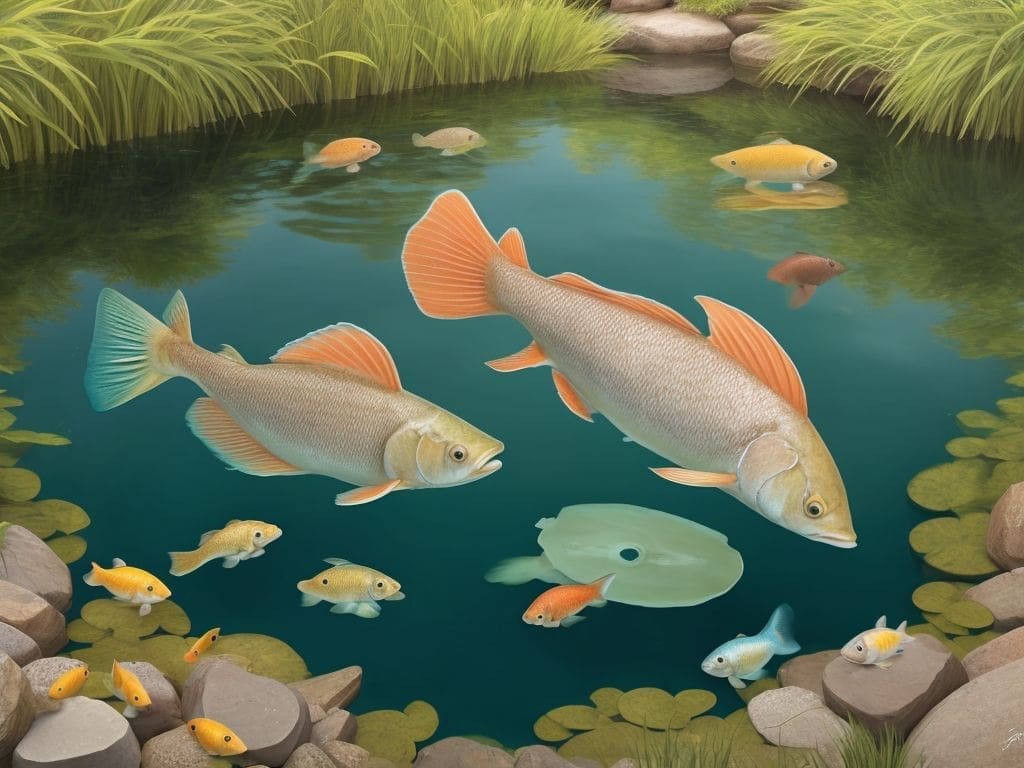
Fish stocking in ponds is a crucial aspect of pond management. Understanding fish stocking in ponds involves considering the pond’s size, water quality, and desired fish population. The number of fish per acre varies depending on the species and the pond’s ecological capacity. For example, a pond stocked with largemouth bass may typically have 100-200 individuals per acre, while a pond with bluegill may have 500-1000 individuals per acre. Proper fish stocking helps maintain a balanced ecosystem and promotes healthy fish growth. Consult with a fisheries biologist or local extension office for specific recommendations based on your pond’s characteristics. Remember, understanding fish stocking in ponds is key to a successful and sustainable fishery.
Consult a fisheries biologist for fish stocking recommendations. Conduct regular water quality tests to monitor the pond’s health. Implement proper fish management practices such as regular feeding, predator control, and habitat improvement.
Factors Affecting Fish Stocking Density

When it comes to stocking a pond with fish, several factors come into play. Pond size, fish species, pond ecosystem, and fish growth rate all play a crucial role in determining the ideal fish stocking density. In this section, we’ll dive into each of these factors, exploring how they influence the number of fish that can thrive in a specific pond. So, if you’re curious about how to maximize fish population and create an optimal pond environment, keep reading.
Pond Size
Choosing the appropriate size for your pond is vital in order to successfully stock fish. Take into account the following guidelines when determining the size of your pond:
- Assess the available space: Evaluate the area you have and make sure it is large enough to accommodate the fish population you desire.
- Consider the fish species: Different species of fish require different amounts of space. Research the specific requirements of the fish species you plan on stocking.
- Account for growth: Remember that fish grow over time. Leave enough room for the fish to reach their full size without overcrowding.
- Think about water quality: Generally, larger ponds have better water quality and can sustain a greater number of fish.
- Consult local regulations: Contact local authorities to guarantee compliance with any regulations or permits pertaining to the size of the pond for fish stocking.
Fish Species
Different fish species have different requirements and characteristics, which can impact their suitability for stocking in ponds. When selecting fish species for your pond, it is important to consider the following factors:
| – Size: | It is essential to choose fish species that are appropriate for the size of your pond. For instance, larger species like largemouth bass may require bigger ponds to thrive. |
| – Temperature tolerance: | Some fish species exhibit greater adaptability to different temperature ranges compared to others. Therefore, it is crucial to consider the climate of your area while selecting fish species. |
| – Feeding habits: | Each fish species has its own unique feeding preferences, such as being herbivorous, carnivorous, or omnivorous. It is essential to consider the availability of food sources in your pond for the selected fish species. |
| – Compatibility: | Certain fish species may not coexist well with others, resulting in aggressive behavior or competition for resources. It is advisable to research the compatibility of different fish species before making your final selection. |
By taking into account these factors, you can choose fish species that are well-suited to your pond’s characteristics and create a balanced and thriving ecosystem.
Pond Ecosystem
The Pond Ecosystem is of utmost importance in determining the success of fish stocking. Factors such as water quality, oxygen levels, and predator-prey balance must be taken into account. A well-maintained Pond Ecosystem provides the necessary food sources, shelter, and suitable habitat for fish. It is crucial to regularly monitor and assess the Pond’s Ecosystem to ensure its sustainability. Suggestions for maintaining a balanced Pond Ecosystem include avoiding overstocking, establishing vegetated areas for fish to hide and spawn, and implementing proper waste management practices. By prioritizing the health of the Pond Ecosystem, fish stocking can thrive and contribute to a thriving aquatic environment.
Fish Growth Rate
Fish growth rate is a crucial factor to consider when stocking ponds with fish. Different species have varying growth rates, which can impact the overall productivity and sustainability of the pond ecosystem. Here are some key points to consider:
- Understanding growth rates: Research the growth rates of the fish species you plan to stock in your pond. This will help you estimate the time it will take for the fish to reach a desirable size.
- Optimal conditions: Provide the necessary environment and conditions for the fish to grow at their maximum potential. This includes maintaining good water quality, temperature, and providing sufficient food.
- Feeding strategies: Develop a feeding plan that supports the growth rate of the fish. Consider the appropriate type and amount of feed to provide, and monitor their feeding habits regularly.
- Genetics: The genetic makeup of the fish can also influence their growth rate. Select fish that have been bred for faster growth rate if you want to prioritize productivity.
By considering the fish growth rate in your pond, you can ensure the healthy development and optimal productivity of your fish population.
Calculating Stocking Density

Calculating stocking density is crucial for maintaining a healthy fish population in your pond. Whether you decide to use the biomass method, surface area method, or food supply method, each sub-section offers unique insights on how to determine the optimal number of fish per acre. Let’s dive in and explore these methods to ensure your pond thrives with the right balance of fish population.
Biomass Method
The biomass method is an essential and frequently utilized approach to calculate fish stocking density in ponds. It involves estimating the total weight of fish that can be supported by the available resources in the pond, taking into account factors such as the size and productivity of the pond, as well as the growth rate of the fish species being stocked. By determining the carrying capacity of the pond, the biomass method helps ensure that the number of fish stocked is sustainable and does not exceed the pond’s capacity to support them. This method plays a crucial role in maintaining a healthy and balanced fish population in the pond.
| Fish Species | Pond Size (acres) | Biomass (lbs/acre) |
|---|---|---|
| Common Carp | 1-2 | 100-200 |
| Bluegill | 0.5-1 | 50-100 |
| Channel Catfish | 1-2 | 75-150 |
| Largemouth Bass | 2-3 | 200-300 |
Surface Area Method
The Surface Area Method is a widely used approach for determining fish stocking density in ponds. This method involves accurately calculating the total surface area of the pond. By taking into account the specific requirements of the fish species, the Surface Area Method enables us to determine the appropriate number of fish that can be stocked. To illustrate, if the recommended stocking density is 1000 fish per acre and the pond’s surface area measures 2 acres, then the Surface Area Method indicates that a total of 2000 fish can be stocked in the pond. Implementing this method ensures that the fish have ample space to thrive, thereby contributing to a well-balanced pond ecosystem.
Food Supply Method
The Food Supply Method is a reliable and effective approach to calculating stocking density for fish ponds. This method involves carefully evaluating the amount of food available in the pond and utilizing this information to estimate the number of fish that the environment can sustain. By considering factors such as natural food production, supplemental feeding, and fish growth rates, the Food Supply Method ensures that there is an adequate and consistent source of sustenance for the fish population. To maintain a well-balanced ecosystem, it is imperative to regularly monitor and assess the pond’s food supply. This allows for adjustments in stocking density as necessary. Additionally, it is crucial to take into account the specific nutritional requirements of different fish species when applying the Food Supply Method.
Recommended Stocking Density for Different Fish Species
Looking to stock your pond with fish? Let’s dive into the recommended stocking density for different fish species. From common carp to bluegill, channel catfish, and largemouth bass, each sub-section will unveil vital insights about the ideal fish per acre ratio. Get ready to make informed decisions that will ensure a thriving aquatic ecosystem in your pond. Let’s explore the fascinating world of fish stocking!
Common Carp
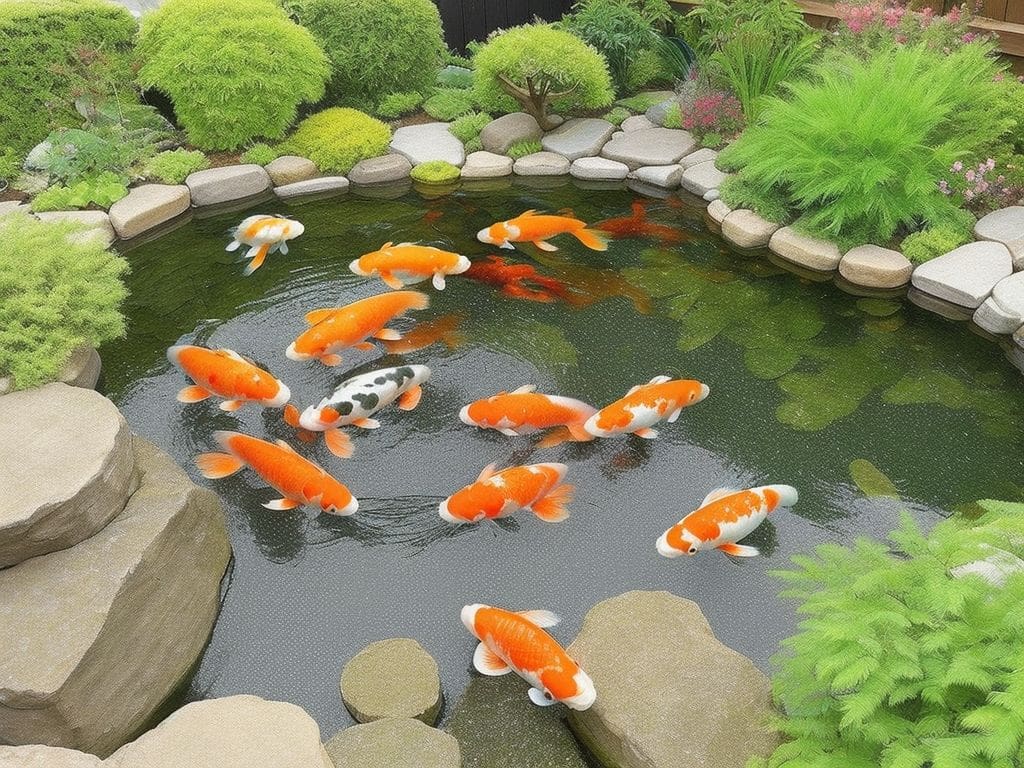
The common carp is a widely stocked fish species in ponds due to its resilience and adaptability. It is a freshwater fish species known for its large size and ability to reproduce rapidly. The common carp can tolerate varying water conditions and feed on a wide range of aquatic organisms. In terms of growth rate, the common carp can reach up to 4 pounds in just a few years. It is important to consider the potential impact of the common carp on the pond ecosystem, as they are known to disturb the bottom sediments and reduce water clarity. Efficient management practices, such as regular monitoring and adjusting stocking density as needed, are crucial to maintain a healthy and balanced pond ecosystem.
Bluegill
Bluegill, also known as Lepomis macrochirus, is a popular fish species for stocking ponds. It is a freshwater fish that belongs to the sunfish family. Here is some information about bluegill:
| Size | Bluegill typically grow up to 6-10 inches in length. |
|---|---|
| Habitat | They prefer clear, warm waters with abundant aquatic vegetation. |
| Feeding Habits | Bluegill are omnivorous and feed on insects, small fish, and aquatic plants. |
| Reproduction | They spawn during the spring and summer months, building nests in shallow water. |
| Stocking Density | The recommended stocking density for bluegill is around 500-1,000 fish per acre of pond. |
Remember to consider factors like predator-prey balance, water quality, and oxygen levels when stocking bluegill in your pond. Regular monitoring and adjustments to stocking density may be necessary to maintain a healthy fish population.
Channel Catfish
Channel Catfish are a popular fish species for stocking in ponds due to their hardiness and fast growth rate. They are known for their excellent taste and can provide recreational fishing opportunities. When stocking Channel Catfish in ponds, it is important to consider the recommended stocking density.
| Size of Pond | Recommended Stocking Density |
| 1 acre | 500-1000 Channel Catfish |
| 2 acres | 1000-2000 Channel Catfish |
| 5 acres | 2500-5000 Channel Catfish |
Other factors to consider when stocking Channel Catfish include maintaining a balanced predator-prey relationship and ensuring proper water quality and oxygen levels. Regular monitoring and adjustment of stocking density is necessary to maintain a healthy and thriving fish population in the pond.
In summary, stocking Channel Catfish in ponds requires considering the recommended stocking density, along with factors such as predator-prey balance and water quality. Regular monitoring and adjustment of stocking density are essential for the successful management of fish populations in ponds.
In a similar vein, the history of fish stocking in ponds dates back to ancient times. The practice of deliberately adding fish to water bodies for various purposes has been employed by civilizations throughout history. From the ancient Egyptians who stocked their ponds with Tilapia for food, to modern-day fisheries departments stocking ponds for recreational fishing, the tradition has continued. Fish stocking plays a crucial role in maintaining biodiversity and providing sustainable fisheries for future generations.
Largemouth Bass
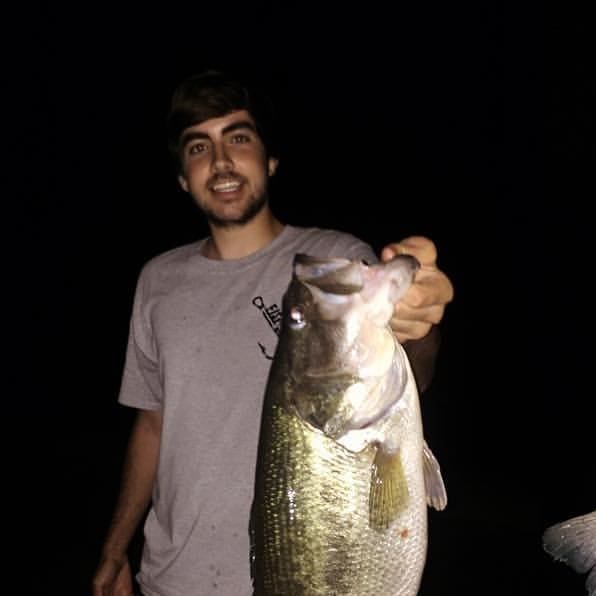
Largemouth bass, also known as Largemouth Bass, are widely sought after for pond stocking due to their aggressive nature and impressive growth potential. When considering the addition of Largemouth Bass to your pond, it is essential to carefully assess the size of the body of water, the balance between predators and prey, and the overall quality of the water. These resilient fish thrive best in larger ponds that provide the necessary space for swimming and hunting. Additionally, they rely on a well-established prey fish population to ensure optimal growth and successful reproduction. Regular monitoring of water quality and oxygen levels remains of utmost importance for the well-being and thriving of Largemouth Bass.
Considering Other Factors for Fish Stocking
When it comes to stocking fish in your acre pond, there are other crucial factors to consider beyond just the quantity. In this section, we’ll dive into the key aspects that can greatly influence the success of your fish population. From achieving a healthy predator-prey balance to maintaining optimal water quality and oxygen levels, we’ll explore how these factors play a vital role in creating a thriving ecosystem for your aquatic inhabitants. So, let’s unravel the key elements that contribute to the overall fish stocking equation!
Predator-Prey Balance
Maintaining a predator-prey balance is crucial when stocking fish in ponds. To ensure a healthy ecosystem, it is important to consider the presence of both predators and prey. The predator-prey balance can be upheld by introducing predatory fish such as largemouth bass, which can effectively regulate the population of smaller fish species like bluegill. This approach prevents overcrowding and fosters the thriving of both predator and prey populations. It is essential to monitor and manage the predator-prey balance in the pond to prevent imbalances that may lead to the decline of certain fish species. Conducting regular sampling and assessment of the fish population can provide valuable insights for determining whether adjustments to stocking density are necessary.
Water Quality and Oxygen Levels
Maintaining proper water quality and oxygen levels is extremely important for the successful stocking of fish in ponds. The well-being of the fish population can be compromised due to poor water quality. It can cause stress, diseases, and even death among the fish. Therefore, regular monitoring and assessment of water parameters like pH, temperature, ammonia, and nitrate levels are essential to ensure optimal conditions. Adequate oxygen levels are also crucial for the survival of fish as they rely on dissolved oxygen to breathe. To increase oxygen levels, various aeration methods such as diffusers or fountains can be employed. By effectively managing water quality and oxygen levels, pond owners can establish a healthy environment for their stocked fish.
Monitoring and Managing Fish Stocking in Ponds

Monitoring and managing fish stocking in ponds is crucial to maintaining a healthy and thriving aquatic ecosystem. In this section, we’ll explore two key aspects: regular sampling and assessment, and adjusting stocking density as needed. With the right techniques and strategies, we can ensure optimal fish population and maximize the productivity of each acre pond. So, let’s dive in and discover how to effectively monitor and manage fish stocking for sustainable pond management.
Regular Sampling and Assessment
Regular sampling and assessment play a crucial role in effectively managing fish stocking in ponds. These activities are essential for monitoring the health and population of fish. By regularly conducting sampling and assessment, pond owners can make well-informed decisions about adjusting stocking density and implementing necessary management strategies.
To expedite this process, pond owners can create a table to record vital information such as fish species, size, growth rate, and overall biomass. By consistently updating and analyzing this data, pond owners can evaluate the success of their stocking efforts and make any necessary adjustments to ensure optimal outcomes.
In a real-life scenario, John, a pond owner, implemented a routine for regular sampling and assessment of his stocked pond. Through careful monitoring, he noticed that the fish population was growing at a faster rate than expected. By consulting with a fisheries biologist and adjusting the stocking density accordingly, John was able to maintain a balanced ecosystem and ensure the long-term sustainability of his pond’s fish population.
Adjusting Stocking Density as Needed
To adjust the stocking density of fish in a pond, it is important to follow a set of steps. First, regularly sample and assess the fish population to determine if adjustments are necessary. Second, assess the growth rate of the fish species to ensure they are thriving. Third, consider the predator-prey balance and ensure there is a balanced ratio to prevent overpopulation or depletion. Fourth, monitor the water quality and oxygen levels to maintain optimal conditions for the fish’s health. Finally, adjust the stocking density as needed by adding or removing fish accordingly. By following these steps and making necessary adjustments, you can effectively achieve the desired stocking density in your pond.