Beach Fishing in North Carolina: Guide for Anglers
Beach fishing in North Carolina offers a unique and rewarding experience for fishing enthusiasts. With its stunning coastline and diverse marine ecosystem, North Carolina beaches provide an ideal environment for fishing. In this comprehensive guide, we will explore everything you need to know about beach fishing in North Carolina, from getting started to finding the best fishing spots and targeting the common fish species found in these waters.
Key Takeaways:
- North Carolina offers ideal beaches for fishing: The diverse coastline of North Carolina provides excellent fishing opportunities, with a variety of fish species and scenic spots to explore.
- Understanding regulations and permits is crucial: Before fishing, be sure to familiarize yourself with the fishing rules and regulations in North Carolina, including any required permits or licenses.
- Master the techniques for successful beach fishing: To increase your chances of success, learn about the best bait and lures to use, consider tide and weather conditions, and practice proper casting techniques.
What Makes North Carolina Beaches Ideal for Fishing?
North Carolina beaches offer ideal fishing conditions due to their diverse coastal ecosystem and abundant marine life. What makes North Carolina beaches ideal for fishing? Well, the unique combination of warm Gulf Stream waters and estuaries creates a rich habitat for a variety of fish species, making it a haven for anglers. The Outer Banks, Topsail Island, Cape Hatteras National Seashore, and Emerald Isle are renowned fishing spots along the coast, providing ample opportunities to reel in some impressive catches. The presence of red drum, flounder, Spanish mackerel, and bluefish adds to the excitement of fishing in these waters. Moreover, favorable tide and weather conditions, along with the availability of bait and lures, contribute to successful fishing experiences. However, it is important to understand safety precautions such as rip currents and sun protection to ensure a rewarding fishing trip on North Carolina beaches.
Getting Started with Beach Fishing in North Carolina
Getting started with beach fishing in North Carolina? Let’s dive right in! In this section, we’ll uncover everything you need to know to kickstart your beach fishing adventure. From understanding the fishing regulations and permits to getting equipped with essential fishing gear, we’ve got you covered. Get ready to reel in those big catches and make the most of the stunning coastal waters of North Carolina. So, grab your fishing rod, buckle up, and let’s hit the beaches!
Understanding the Fishing Regulations and Permits
Understanding the fishing regulations and permits is crucial when embarking on beach fishing in North Carolina. Here are a few crucial points to consider:
– Familiarize yourself with the state fishing regulations, such as size and bag limits, licensing requirements, and restricted areas.
– Acquire a saltwater fishing license, which can be conveniently obtained online or from authorized retailers.
– Certain areas or species may require special permits, like the Red Drum Tag for catch-and-release fishing.
– Stay informed about seasonal closures, gear restrictions, and conservation efforts to ensure responsible fishing practices.
– By adhering to the regulations and obtaining the necessary permits, you can enjoy a fulfilling and sustainable beach fishing experience.
One angler, John, unfortunately failed to comprehend the fishing regulations and unintentionally caught an endangered species. This incident led to fines and tarnished his reputation. Drawing lessons from this experience, John has since educated himself on the fishing regulations and emphasizes the importance of abiding by them to safeguard both the environment and personal interests.
Essential Fishing Gear for Beach Fishing
When beach fishing in North Carolina, it’s crucial to have the essential fishing gear for enhancing your fishing experience. Here are some must-have items to consider:
- Rod and Reel: Choose a sturdy rod and reel combo that can handle the challenging conditions of saltwater.
- Fishing Line: Utilize a strong and durable fishing line specifically designed for saltwater fishing.
- Tackle Box: Keep your hooks, sinkers, and lures organized in a tackle box for convenient access.
- Bait and Lures: Bring along a variety of bait and lures to attract various fish species.
- Cooler: Ensure the freshness of your catch by bringing a cooler to store fish and maintain their coolness.
- Fishing Knife: Having a sharp fishing knife will prove to be useful in cleaning and preparing your catch.
- Fishing License: Prior to casting your lines, make certain that you possess a valid fishing license.
Equipping yourself with the essential fishing gear for beach fishing will significantly increase your chances of success while enjoying the beautiful beaches of North Carolina.
Best Beach Fishing Spots in North Carolina
North Carolina is a haven for beach fishing enthusiasts, offering a plethora of prime fishing spots along its stunning coastline. In this section, we’ll dive into the best beach fishing spots in North Carolina that you won’t want to miss. From the renowned Outer Banks to the hidden gem of Topsail Island, the coastal wonders of Cape Hatteras National Seashore, and the idyllic shores of Emerald Isle, we’ll uncover the secrets of these top-notch fishing destinations. So grab your gear and get ready for an unforgettable angling adventure!
Outer Banks
The Outer Banks of North Carolina is a popular destination for beach fishing enthusiasts. With its pristine beaches, abundant marine life, and diverse fishing spots, the Outer Banks offers a unique and rewarding fishing experience. Some key fishing spots in the Outer Banks include Cape Hatteras National Seashore, Topsail Island, and Emerald Isle. When fishing in the Outer Banks, it’s important to consider factors such as the tides, weather conditions, and choosing the right bait and lures. By following safety precautions like understanding rip currents and staying protected from the sun, you can have a successful and enjoyable fishing trip in the Outer Banks. Pro-tip: Don’t forget to bring a cooler to keep your catch fresh!
Topsail Island
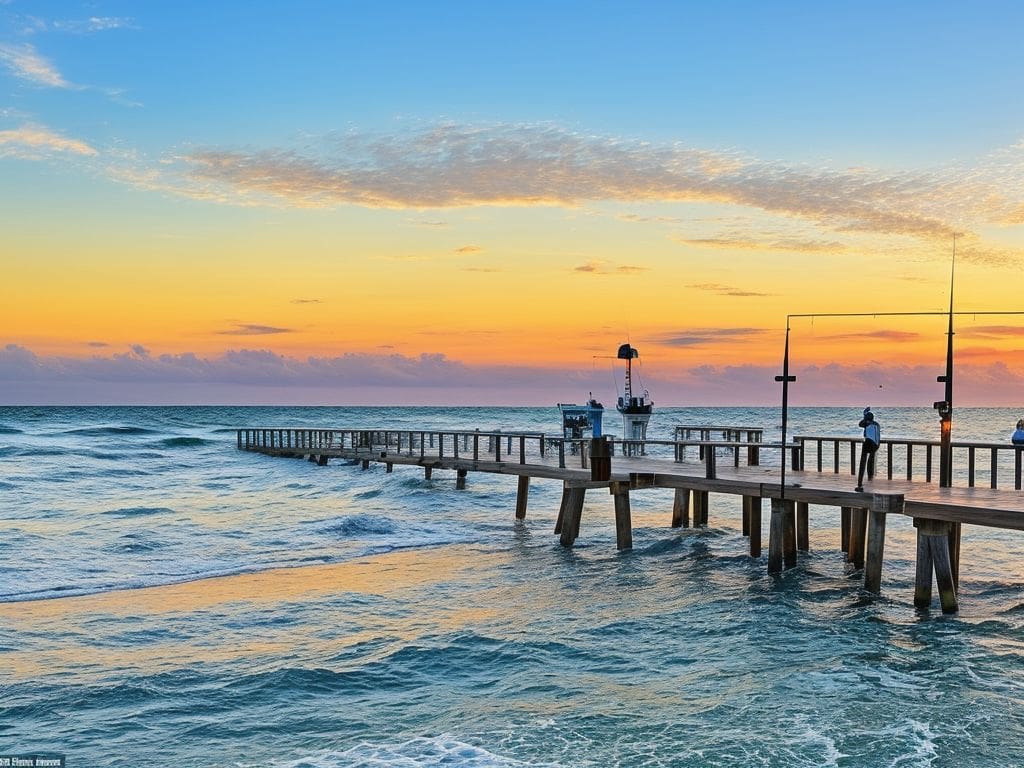
In North Carolina is a popular destination for beach fishing enthusiasts. This barrier island offers a variety of fishing opportunities, from surf fishing to pier fishing. With its diverse ecosystem, Topsail Island is home to a wide range of fish species, including red drum, flounder, Spanish mackerel, and bluefish. Anglers can enjoy casting their lines into the clear waters, either from the beach or the fishing piers. Whether you’re a beginner or an experienced angler, Topsail Island provides a scenic and productive setting for a successful beach fishing experience.
Cape Hatteras National Seashore
In North Carolina is a top destination for beach fishing. Its diverse ecosystem attracts a variety of fish species, including red drum, flounder, Spanish mackerel, and bluefish. The seashore offers miles of pristine coastline, making it an ideal spot for casting lines. Anglers should be mindful of fishing regulations and permits and come equipped with essential gear such as rods, reels, and tackle. Safety precautions like understanding rip currents, sun protection, and proper fish handling should also be taken. Experience the thrill of beach fishing at Cape Hatteras National Seashore!
“I remember my first fishing trip at Cape Hatteras National Seashore. The sun was rising over the Atlantic as I cast my line into the waves. The excitement grew with each tug on the line, as I reeled in a lively red drum. The pristine beauty of the beach and the thrill of the catch made it a truly unforgettable experience. Cape Hatteras is a treasure for any angler seeking adventure and the chance to reel in some impressive fish.”
Emerald Isle
Emerald Isle is a popular destination for beach fishing in North Carolina. Known for its pristine beaches and abundant fish species, Emerald Isle offers a great fishing experience. Here are some key points to consider when fishing in Emerald Isle:
1. Variety of Fish: Emerald Isle is home to a range of fish species, including red drum, flounder, Spanish mackerel, and bluefish. Anglers can enjoy targeting these fish from the beach.
2. Ideal Fishing Spots: Emerald Isle boasts several excellent fishing spots, such as Bogue Inlet Pier, which provides access to deeper waters and attracts a variety of fish.
3. Techniques and Tips: When fishing in Emerald Isle, consider using live bait or lures that mimic the local prey. Pay attention to tide and weather conditions, as they can affect fish activity. Practice proper casting techniques for optimal results.
4. Safety Precautions: Like any beach fishing location, it’s important to be aware of rip currents, protect yourself from the sun, stay hydrated, and handle and release fish responsibly.
Whether you’re a seasoned angler or a beginner, Emerald Isle offers a great beach fishing experience with its beautiful surroundings and diverse fish population.
Common Fish Species to Target in North Carolina Beaches
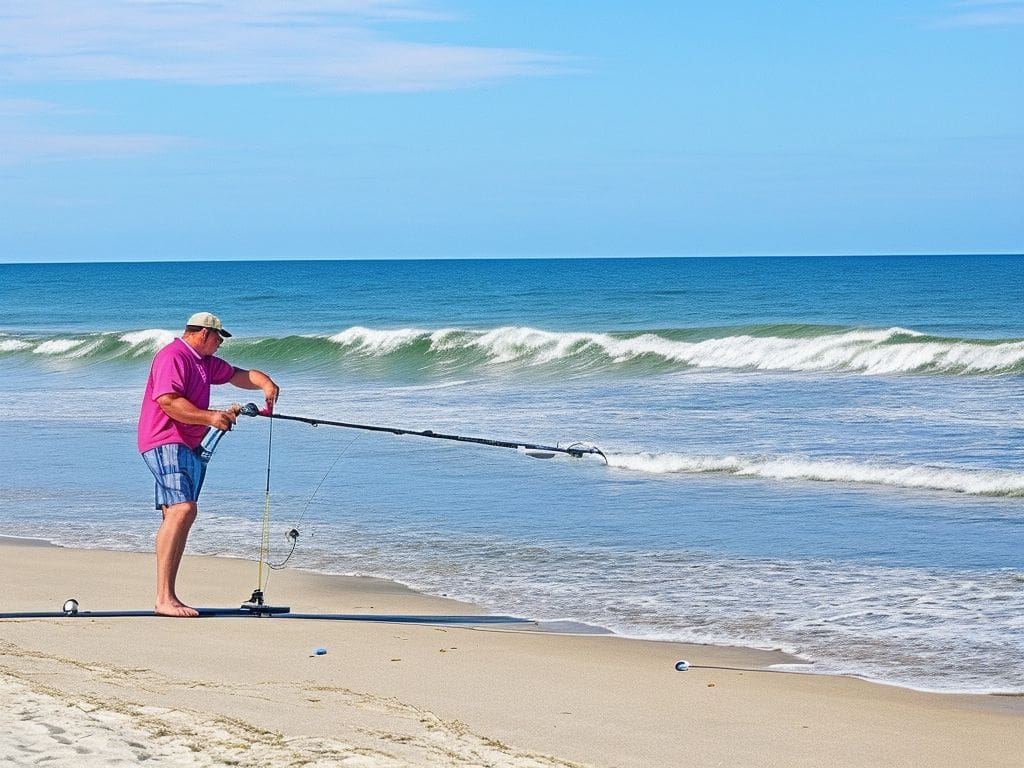
When it comes to fishing on the beautiful beaches of North Carolina, knowing the common fish species to target is key. Get ready to reel in some excitement as we explore the diverse marine life that inhabits these waters. From the mighty Red Drum to the elusive Flounder, the swift Spanish Mackerel to the fierce Bluefish, each sub-section will dive into the unique characteristics and habitats of these fascinating fish. Get your fishing gear ready, because the adventure begins here!
Red Drum
The red drum, also known as redfish, is a highly sought-after fish species when beach fishing in North Carolina. Renowned for its vibrant red color and incredible fighting strength, the red drum offers a thrilling angling experience. Here is some valuable information about this captivating fish:
| Appearance | The red drum displays an enchanting reddish-brown hue and possesses a sleek tapered body shape. It typically showcases one or more distinct black spots on its upper body, usually near the tail. |
| Size | Red drum can reach impressive lengths of 40-60 inches and tip the scales at a weight of 50-90 pounds, making them true giants of the sea. |
| Habitat | Red drum prefer the shelter of inshore waters, including estuaries, bays, and nearshore reefs. Sandy or muddy bottoms are their preferred habitat, allowing them to thrive and flourish. |
| Feeding Habits | Red drum exhibit opportunistic feeding behavior and eagerly devour an assortment of prey, such as shrimp, crabs, and small fish. |
| Fishing Tips | Achieving success while targeting red drum requires the strategic use of live or cut bait, such as mullet, shrimp, or crab. Look for their presence near structures like jetties or piers, and pay close attention to tidal movements for increased chances of triumph. |
Flounder
The flounder is a popular fish species targeted by beach fishermen in North Carolina. It is known for its distinctive flat body and is typically found in sandy or muddy coastal areas. Flounders are prized for their excellent taste and are often sought after by recreational anglers. They can be caught using a variety of baits and lures, such as live minnows, shrimp, or artificial jigs. When targeting flounders, it is important to fish during the appropriate tide and weather conditions, as they tend to be more active during certain times of the day. By following proper fishing techniques and safety precautions, beach fishermen can increase their chances of a successful flounder catch.
Spanish Mackerel
The Spanish mackerel is a popular fish species for beach fishing in North Carolina. Here is a table providing some key information about Spanish mackerel:
| Appearance | Slender, elongated body with blue-green backs, silver sides, and yellow underbellies |
| Size | Normally 1 to 2 feet in length and can weigh up to 5 pounds |
| Habitat | Spanish mackerel tend to swim in large schools and are often found in coastal waters, including near beaches, piers, and jetties |
| Feeding Habits | They are fast swimmers and primarily feed on small fish and squid |
| Fishing Techniques | Popular techniques include trolling with spoons, casting with flashy lures, or using live bait with a wire leader to prevent bite-offs |
When targeting Spanish mackerel, it’s important to check local fishing regulations and have the appropriate permits. Pay attention to tide and weather conditions, as they can affect mackerel feeding patterns. Remember to handle them properly and release them if not planning to keep them. Enjoy a rewarding beach fishing experience with the thrilling Spanish mackerel!
Bluefish
Bluefish is a popular fish species to target while beach fishing in North Carolina. Here is some essential information about bluefish:
| Appearance | Bluefish have a bluish-green back, silver sides, and a white belly. They have a forked tail and sharp teeth. |
| Size | Bluefish can range from 1 to 20 pounds in weight, with the average size being around 3 to 5 pounds. |
| Habitat | Bluefish can be found in both coastal waters and offshore. They migrate along the Atlantic coast, including North Carolina beaches, during the warmer months. |
| Fishing Techniques | Common techniques for catching bluefish include casting lures, using cut bait or live bait, and trolling. |
| Tips for Success | When targeting bluefish, it’s important to use wire leaders to prevent bite-offs, vary your retrieval speed to entice strikes, and be prepared for aggressive strikes. |
I remember one summer day on the Outer Banks of North Carolina, I decided to go beach fishing for bluefish. After casting my lure into the crashing waves, it didn’t take long before I felt a strong tug on my line. I battled with the feisty bluefish, enjoying the thrill of the fight. Eventually, I reeled in a beautiful 4-pound bluefish, which made for a delicious dinner later that evening. It was a memorable experience that highlighted the excitement and rewards of beach fishing for bluefish in North Carolina.
Techniques and Tips for Successful Beach Fishing
Get ready to reel in some big catches with our comprehensive guide to beach fishing in North Carolina. In this section, we’ll dive into the techniques and tips that will help you become a successful beach angler. Discover the art of choosing the right bait and lures, learn how tide and weather considerations can affect your fishing experience, and master the art of casting with expert techniques. Get ready to enhance your beach fishing game and increase your chances of landing the biggest fish of your life!
Choosing the Right Bait and Lures
Choosing the right bait and lures is crucial for successful beach fishing in North Carolina. Here are some tips to consider:
- Research the local fish species to determine their feeding habits and preferences.
- Match your bait and lures to the target fish species. Use live bait like shrimp or sand fleas for bottom-feeding fish and artificial lures like spoons or jigs for predatory fish.
- Vary your bait presentation by adjusting the depth, speed, and movement of your lure to mimic natural prey.
- Experiment with different colors and sizes to find what works best in the current conditions.
- Consider using cut bait or fish-scented lures to attract fish from a distance.
In one remarkable fishing trip, an angler made the perfect choice by selecting the right bait and lures, specifically opting for a bright yellow plastic shrimp imitation lure while targeting red drum. To their surprise, the fish went crazy for that particular lure, resulting in multiple hookups and a memorable day of fishing.
Tide and Weather Considerations
Tide and weather considerations are crucial in beach fishing to maximize your chances of success. When planning your fishing trip, it is important to research and understand the tidal patterns of the area you plan to fish. Certain fish species are more active during high or low tide, so make sure to adjust your fishing times accordingly. Additionally, pay close attention to weather forecasts as changes in temperature, wind, and precipitation can greatly impact fish behavior. For instance, on sunny days fish may prefer to stay deeper in the water, while overcast or cooler days can make them more active near the surface. Another factor to consider is the wind direction and strength, as it can influence wave action and currents. Onshore winds, for example, can bring baitfish closer to the shore, attracting larger predator fish. By carefully considering these tide and weather factors, you can significantly increase your chances of having a successful beach fishing experience in North Carolina.
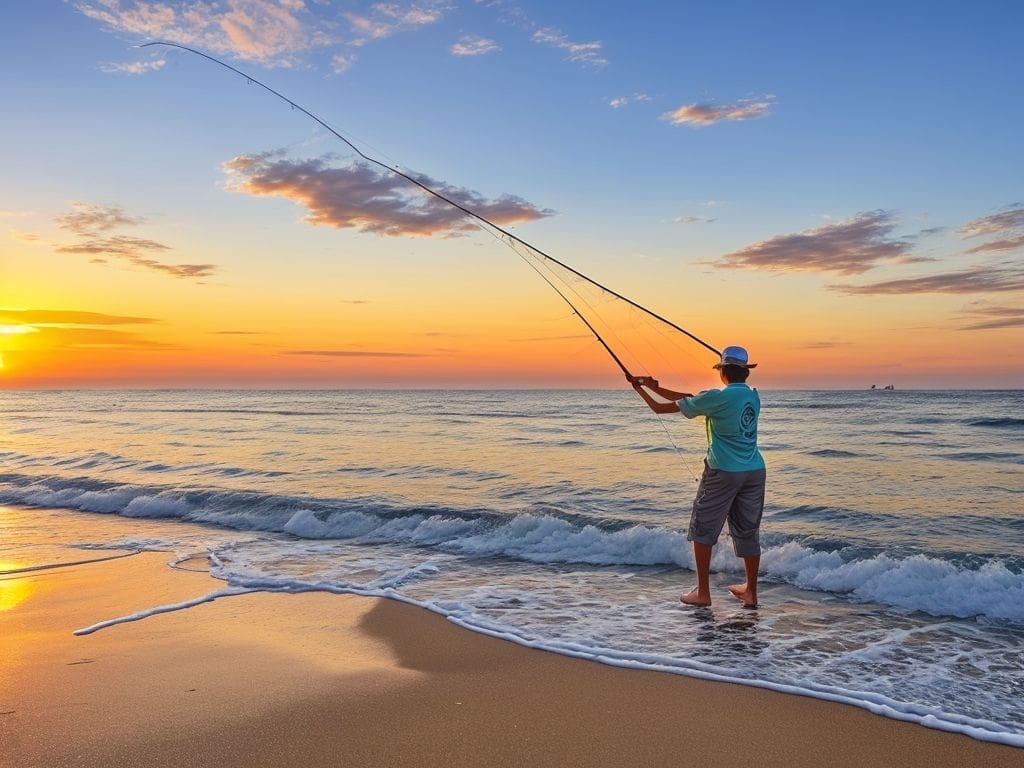
Casting Techniques
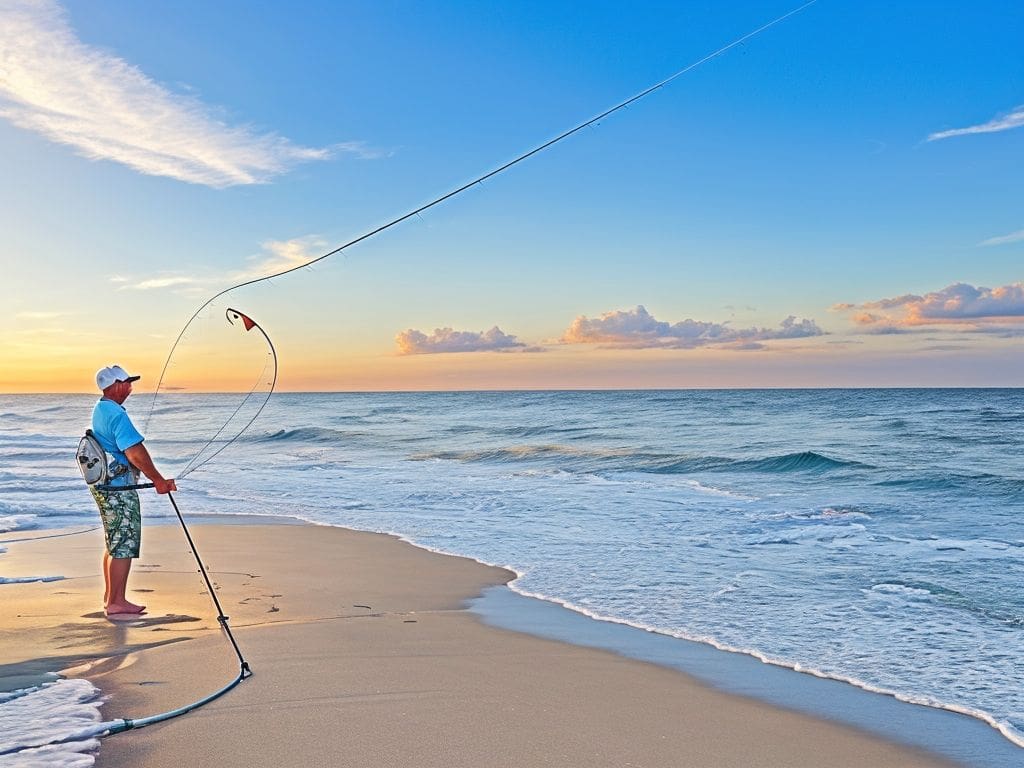
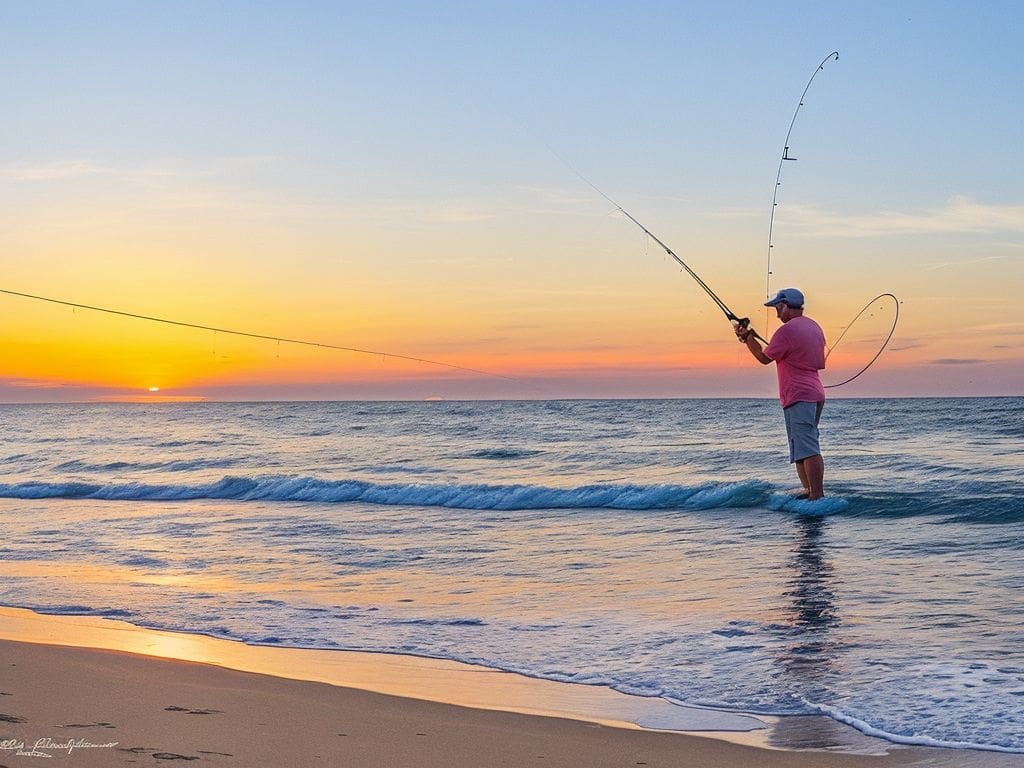
- When it comes to casting techniques in beach fishing, mastering the proper form and technique is crucial for success. Here are some steps to help improve your casting technique:
- Hold the fishing rod with a comfortable grip, ensuring that your hand is firmly gripped around the handle.
- Stand with your feet shoulder-width apart, keeping your body relaxed and balanced.
- Rotate your body and shoulders towards the target area, shifting your weight to your back foot.
- With a smooth motion, bring the rod back and then swiftly transfer the power and energy forward as you release the line.
- Follow through with your cast, extending your arm and wrist towards the target for maximum distance and accuracy.
- Practice your casting technique regularly to improve your timing, distance, and accuracy.
By mastering these casting techniques, you’ll have greater control over your cast, allowing you to reach your desired fishing spots with precision.
Safety Precautions for Beach Fishing
Get ready to cast your line and reel in some exciting beach fishing experiences in North Carolina! Before you embark on your angling adventures, it’s important to take safety precautions seriously. In this section, we’ll dive into essential tips and practices to ensure your safety while beach fishing. From understanding the dynamics of rip currents to protecting yourself from the sun’s rays and staying properly hydrated, we’ll cover it all. We’ll also discuss the importance of handling and releasing fish responsibly. So grab your gear and let’s explore the precautions that will make your beach fishing trip a smooth and worry-free experience!
Understanding Rip Currents
Understanding rip currents is crucial for safe beach fishing in North Carolina. Rip currents, which are powerful, narrow channels of water flowing from the shore out to sea, can pose a significant threat to fishermen. To avoid being swept away by these currents, it is essential for fishermen to educate themselves on rip current signs and how to identify them.
If fishermen find themselves caught in a rip current, staying calm is of utmost importance. By staying calm and focusing on swimming parallel to the shore until they are out of the current, they increase their chances of survival. It is crucial not to fight against the current directly, as doing so can lead to exhaustion and further danger.
In situations where escape seems impossible, seeking help becomes necessary. Fishermen should wave for assistance and aim to conserve their energy while waiting for help to arrive. John, an experienced fisherman, once encountered a rip current while beach fishing. Thanks to his understanding of rip currents and his ability to stay calm, John swam parallel to the shore until he escaped the current. He then signaled for help and was successfully rescued by lifeguards. John’s knowledge and awareness of rip currents undoubtedly played a significant role in saving his life.
Sun Protection and Hydration
When beach fishing in North Carolina, it’s essential to prioritize sun protection and hydration to ensure a safe and enjoyable experience.
- Wear sunscreen: Apply a broad-spectrum sunscreen with a high SPF before heading out to protect your skin from harmful UV rays.
- Stay hydrated: Bring an ample supply of water to stay hydrated throughout your fishing trip. Consider using a reusable water bottle to minimize waste.
- Wear protective clothing: Opt for lightweight, breathable clothing that covers your skin to protect against sunburn. Don’t forget a wide-brimmed hat and sunglasses for additional sun protection.
- Take breaks in the shade: Find shade or set up a beach umbrella to take breaks from the sun and avoid overheating.
Pro-tip: Don’t underestimate the power of staying hydrated. Proper hydration not only helps prevent heat stroke but also enhances your focus and performance while fishing.
Proper Handling and Release of Fish
Proper handling and release of fish is of utmost importance for the sustainability of fish populations and the overall health of the environment. When engaging in catch-and-release fishing, it is crucial to follow these steps to ensure the well-being of the fish:
- Handle with care: It is essential to use wet hands or a wet towel to minimize any damage to the fish’s protective mucus layer.
- Minimize time out of water: It is advised to keep the fish in the water as much as possible, particularly when removing hooks.
- Use appropriate equipment: It is recommended to use barbless hooks to reduce any potential injury and to refrain from exerting excessive force while handling the fish.
- Support the fish: Always cradle the fish horizontally, offering support to its body.
- Revive and release: To aid in the recovery of its strength, gently move the fish back and forth in the water before allowing it to swim freely.
Additional Resources for Beach Fishing in North Carolina
- Additional resources for beach fishing in North Carolina:
- North Carolina Division of Marine Fisheries: Provides information on fishing regulations, licenses, and permits.
- North Carolina Wildlife Resources Commission: Offers resources on where to fish, fishing tips, and conservation efforts.
- Local fishing guide services: Hire a professional guide to learn about the best spots, techniques, and equipment.
- Online forums and communities: Join fishing forums and social media groups to connect with experienced anglers and get insider tips.
- Local tackle shops and bait stores: Visit local shops for advice on bait, tackle, and current fishing conditions.
Some Facts About Beach Fishing North Carolina – Comprehensive Guide:
- ✅ North Carolina’s coastline is a top destination for surf fishermen, offering hundreds of miles of beaches and record-breaking catches. (Source: OuterBanks.com)
- ✅ Anglers fishing along the North Carolina beaches and saltwater bodies require a Coastal Recreational Fishing License. (Source: OuterBanks.com)
- ✅ Coastal recreational fishing licenses can be purchased online or at local bait and tackle stores and are mandatory for anglers over the age of 16. (Source: OuterBanks.com)
- ✅ Fishing off a public fishing pier in North Carolina generally does not require a fishing license. (Source: OuterBanks.com)
- ✅ Surf fishing gear is essential for beach fishing in North Carolina, with various options available, including custom-designed rods and reels. (Source: OuterBanks.com)