Surf Fishing vs Pier Fishing: A Comparison to Help You Choose
Surf fishing and pier fishing are two popular methods of angling, each offering a unique experience and set of advantages. Understanding the differences between the two techniques can help you choose the best approach for your fishing adventure.
Key takeaways:
- Location and Access: Surf fishing allows for greater mobility and access to different areas, while pier fishing provides a stable platform with easy access to deeper waters.
- Fishing Techniques: Surf fishing requires casting your line into the waves and using different retrieval methods, while pier fishing involves dropping your line straight down and utilizing vertical jigging or still fishing techniques.
- Targeted Fish Species: Surf fishing is better for catching species like snook, pompano, and redfish, while pier fishing is more suitable for targeting species like kingfish, mackerel, and flounder.
Differences Between Surf Fishing and Pier Fishing
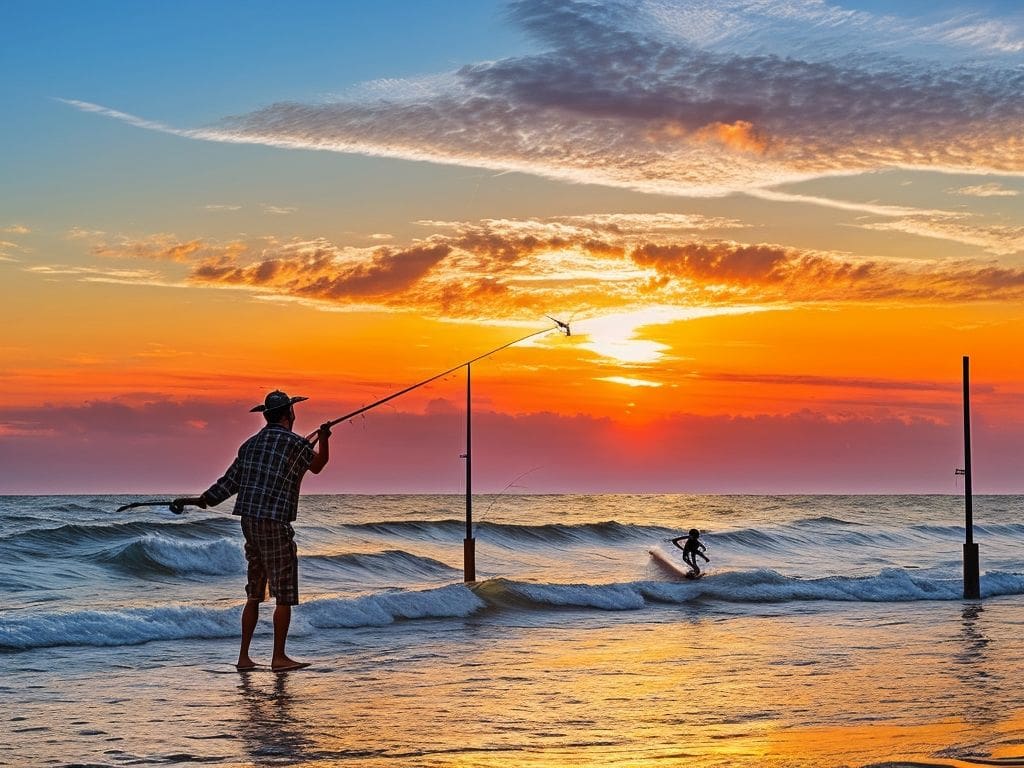
Discover the key distinctions between surf fishing and pier fishing and add a thrill to your angling adventures. From location and access to fishing techniques, targeted fish species, and gear and equipment, we’ll delve into what sets these two fishing styles apart. Whether you prefer the sand beneath your feet or the stability of a pier, join us as we explore the diverse approaches to reeling in the big catch. Get ready to cast your line and experience the excitement of these unique fishing methods.
Location and Access
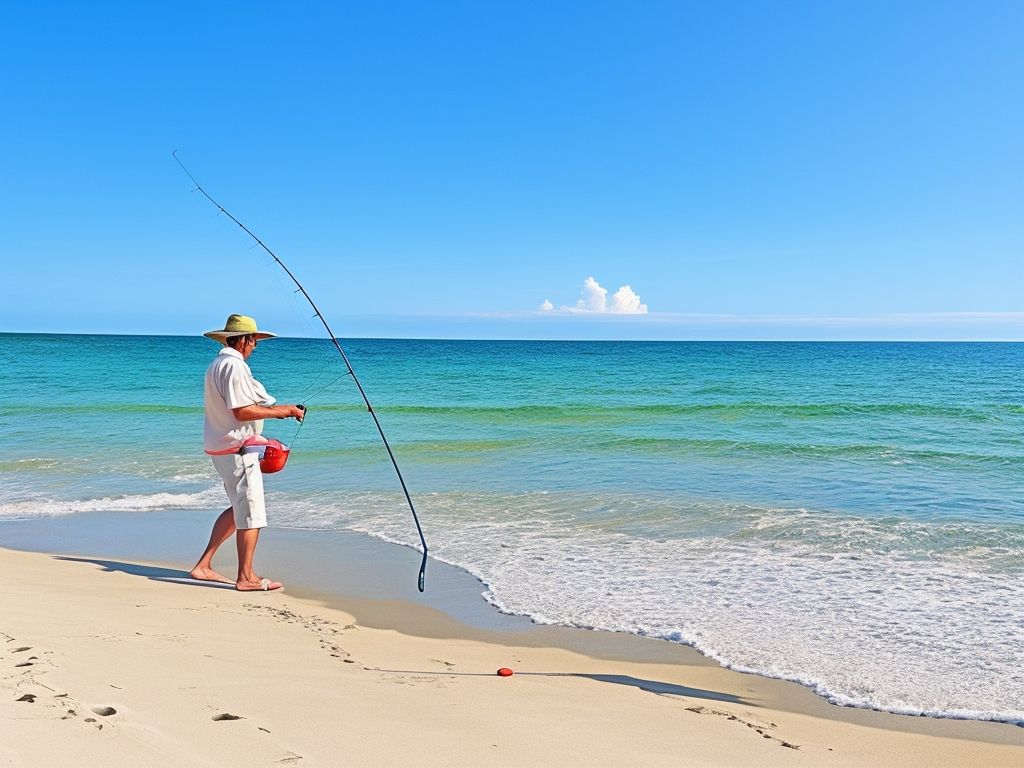
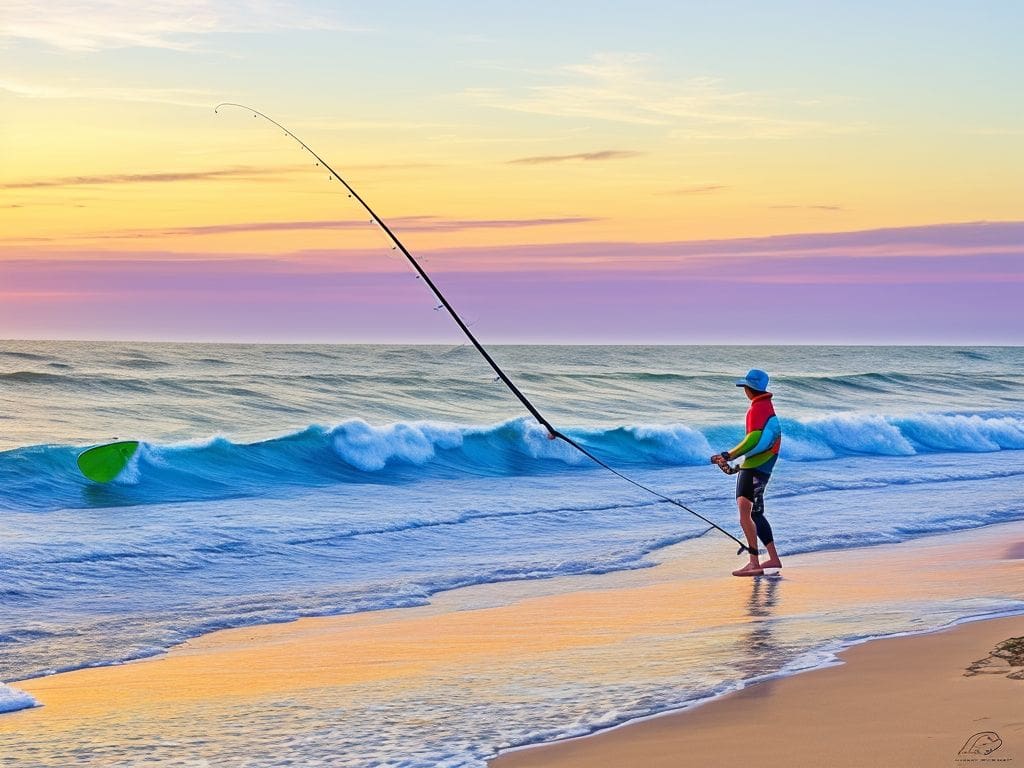
When it comes to Location and Access, there are different options available for surf fishing and pier fishing. Surf fishing allows you to cast your line directly from the shoreline, granting you easy Access to a wider range of fishing spots. Depending on the fish species you want to catch, you can choose different beach locations. On the other hand, pier fishing provides a convenient platform that extends into deeper water, enabling you to gain Access to fish that may be further offshore. Piers are often strategically located in popular fishing spots, ensuring easy Access for anglers of all skill levels.
Pro-tip: It is advisable to conduct research on the specific Location and Access points beforehand to ensure a successful fishing trip.
Fishing Techniques
When it comes to fishing techniques, there are several aspects to consider for both surf fishing and pier fishing. Here are some steps to follow for each:
Surf
- Choose the right fishing rod and reel combination.
- Cast your line into the surf, aiming for areas with wave breaks or structures.
- Use different bait options such as live bait, artificial lures, or cut bait.
- Monitor your line and feel for any bites or movements.
- Use proper reeling techniques to bring in your catch.
Pier
- Select the appropriate fishing gear for pier fishing, including a sturdy rod and reel.
- Find a good spot on the pier that offers access to deeper water.
- Drop your baited hook into the water, adjusting the depth according to the fish you’re targeting.
- Keep a close eye on your line for any signs of activity.
- Once you get a bite, reel in your catch steadily and carefully.
By following these fishing techniques specific to each method, you can increase your chances of having a successful fishing experience.
Targeted Fish Species
Targeted fish species vary for surf fishing and pier fishing. Here is a table showcasing some common fish species caught in each activity:
| Surf Fishing | Pier Fishing |
|---|---|
| Striped Bass | Snook |
| Red Drum | Redfish |
| Flounder | Sheepshead |
| Bluefish | Spanish Mackerel |
| Pompano | Cobia |
Surf fishing typically targets larger species like striped bass and red drum, while pier fishing focuses on a variety of fish such as snook and sheepshead. It’s important to consider the targeted fish species when deciding between surf fishing and pier fishing, as different locations and techniques may yield better results for specific fish.
Gear and Equipment
Gear and equipment are crucial for both surf fishing and pier fishing. Let’s compare the gear and equipment required for each activity:
| Surf Fishing | Pier Fishing |
| – Surf fishing gear and equipment: rod and reel | – Pier fishing gear and equipment: rod and reel |
| – Heavy-duty fishing line | – Light to medium fishing line |
| – Sand spike or rod holder | – Fishing cart or rod holder |
| – Tackle box with various lures and hooks | – Tackle box with variety of baits and hooks |
| – Waders or waterproof boots | – Comfortable fishing shoes |
Historically, anglers have utilized distinct gear and equipment for surf fishing and pier fishing. The gear and equipment have evolved over time to address the unique challenges of each fishing method. Today, modern technology has enhanced the quality and efficiency of gear and equipment, making it simpler for anglers to enjoy these thrilling fishing techniques.
Advantages of Surf Fishing

- Surf fishing allows anglers to access remote and secluded fishing spots that may not be reachable from a pier.
- Surf fishing offers the opportunity to catch a wide range of saltwater species, including striped bass, red drum, snook, and surfperch.
- Unlike fishing from a pier, surf fishing allows anglers to move along the shoreline and explore different areas to find the best fishing spots.
- Surf fishing locations are typically less crowded compared to popular fishing piers, providing a more peaceful and relaxed fishing experience.
- Surf fishing requires anglers to read the water and understand the movements of the fish, making it a more engaging and fulfilling fishing method.
Advantages of Pier Fishing

Pier fishing offers several advantages that make it a popular choice for anglers:
- Convenience: Piers provide easy access to deeper waters without the need for a boat.
- Structure: Piers attract a variety of fish species due to the presence of pilings, rocks, and other structures.
- Safety: Piers offer a stable and secure platform for fishing, especially for beginners or those with limited mobility.
- Amenities: Many piers have amenities like restrooms, bait shops, and cleaning stations, making the fishing experience more comfortable.
Pro-tip: When pier fishing, always check local regulations, use appropriate gear, and be mindful of other anglers’ space. Enjoy the advantages of pier fishing while respecting the environment and fellow fishermen.
Considerations for Surf Fishing

When it comes to surf fishing, understanding the tides and conditions is crucial. It allows you to strategize and increase your chances of success. But what about the best time to go surf fishing? That’s another important consideration that can make or break your fishing trip. In this section, we’ll dive into these factors, equipping you with the knowledge you need to make the most out of your surf fishing adventures. So grab your gear and get ready for some reel action!
Understanding Tides and Conditions
Understanding tides and conditions is crucial in surf fishing and pier fishing. The movement of tides affects fish behavior and determines the best time to fish. It is important to have a good understanding of tide charts and how they impact the fishing spot. Additionally, being aware of weather conditions such as wind and wave height is essential. Having knowledge of how these factors influence fishing will greatly increase your chances of success. For instance, during high tide with calm conditions, fish are more likely to approach the shoreline, making it an ideal time for surf fishing. Fun fact: The primary force behind tides is the gravitational pull of the moon.
Best Time to Go Surf Fishing
The best time to go surf fishing depends on a few key factors. Generally, the optimal time is during the changing tides, especially during the incoming tide. This is when fish tend to be more active and feeding closer to the shoreline. Early mornings and evenings are often preferred as the water is cooler and fish are more active. Specific locations and fish species may require different timing. It’s important to research local conditions, consult tide charts, and talk to local anglers to determine the best time to go surf fishing in your area.
Considerations for Pier Fishing

When it comes to pier fishing, there are important considerations to keep in mind. Wondering which pier to choose or what bait and tackle to use? In this section, we’ll dive into all the essentials. Discover how to select the perfect pier for your fishing adventure and explore the various types of bait and tackle that can help you reel in that big catch. Get ready to enhance your pier fishing game and increase your chances of success!
Choosing the Right Pier
When it comes to fishing, choosing the right pier is crucial to maximize your chances of success. You should take into account several factors to make an informed decision:
- Location: It is important to look for piers situated in areas known for abundant fish populations.
- Structure: Piers with complex structures, such as rocks or jetties, are more likely to attract a higher number of fish.
- Accessibility: Opt for a pier that is easily accessible, allowing you to transport your gear and catch comfortably.
- Amenities: Consider piers that offer amenities like cleaning stations, restrooms, or bait shops, as they can greatly enhance your fishing experience.
- Crowd: Take into consideration the level of crowding on the pier, as it can have an impact on your ability to cast and land fish.
Let me share a true story with you. When I was planning a family fishing trip, I carefully considered all these factors and ultimately chose Ocean Pier. Its ideal location near a reef and convenient amenities made it the perfect choice. We had an absolutely fantastic time and caught a variety of fish, creating a truly memorable experience for everyone involved.
Types of Bait and Tackle for Pier Fishing
When it comes to pier fishing, having the right bait and tackle can greatly increase your chances of success. Here are some types of bait and tackle commonly used in pier fishing:
1. Live bait: This includes shrimp, crabs, and small fish like mullet or pinfish.
2. Cut bait: Use pieces of fresh fish like squid or mullet to attract larger fish.
3. Artificial lures: Jigs, spoons, and soft plastics mimic the movements of baitfish and can entice bites.
4. Fishing rigs: Carolina rigs, dropper rigs, and fish finders are popular setups for pier fishing.
5. Tackle: Depending on the targeted fish species, pier anglers may use spinning or baitcasting rods and reels with appropriate line weights.
It’s important to remember that the best bait and tackle for pier fishing can vary depending on factors like the location, season, and the type of fish you are targeting.
Pier fishing has been a popular activity for centuries. In ancient times, piers were constructed to improve fishing accessibility. The first recorded instance of a pier specifically built for recreational fishing dates back to the 18th century in England. Since then, pier fishing has evolved and become a beloved pastime around the world, attracting both experienced anglers and beginners alike.
Tips and Tricks for Successful Surf Fishing

Are you looking for tips and tricks for successful surf fishing? If so, you’ve come to the right place! To maximize your catch and make the most of your time on the water, follow these tried and tested techniques:
- Start by researching the best fishing spots for surf fishing. Take into account important factors like tide, wind direction, and the structure of the area.
- Next, make sure you have the right equipment. A sturdy rod and reel combo, along with appropriate fishing line, are essential. Additionally, consider using various bait options to attract different fish species.
- Mastering casting techniques is crucial for success. Make sure your bait reaches the desired distance and stays in the strike zone, increasing your chances of a bite.
- Pay close attention to the tides and plan your fishing trips during the optimal times. Fishing during the rising and falling tides tends to be more productive.
- Observe the behavior of the fish you’re targeting. Adjust your techniques accordingly, varying retrieval speeds and changing bait if necessary.
- Remember, patience and persistence are key. Surf fishing can sometimes require multiple casts and attempts before you get a bite. Stay committed and keep trying!
Here’s an interesting fact: did you know that surf fishing can yield a wide variety of fish species? From striped bass and red drum to flounder and pompano, you never know what you might catch!
Tips and Tricks for Successful Pier Fishing
- Research the best fishing times for the species you want to catch and plan your trip accordingly.
- Use the Right Bait: Different species are attracted to different types of bait, so make sure you have the appropriate bait for your target fish.
- Observe the Water: Take note of the water conditions, such as tide levels and currents, as these can affect the feeding patterns of the fish.
- Cast Strategically: Cast your line near structures like pilings or rocks, as these provide shelter and hiding spots for fish.
- Stay Patient: Fishing requires patience, so be prepared to wait for the fish to bite. Use this time to relax and enjoy the scenery.
Some Facts About Surf Fishing vs Pier Fishing:
- ✅ Surf fishing offers a unique experience for anglers compared to pier fishing.
- ✅ Pier fishing provides the advantage of staying dry and safe from rough surf and currents.
- ✅ Both surf fishing and pier fishing target similar fish species, but require different gear and equipment.
- ✅ Beach fishing, also known as surf fishing, allows anglers to choose from a variety of fishing spots and avoid crowds.
- ✅ Research and trying both beach fishing and pier fishing is recommended to determine personal preference and fishing style.