Catch More Flathead: Beach Fishing Tips 2021
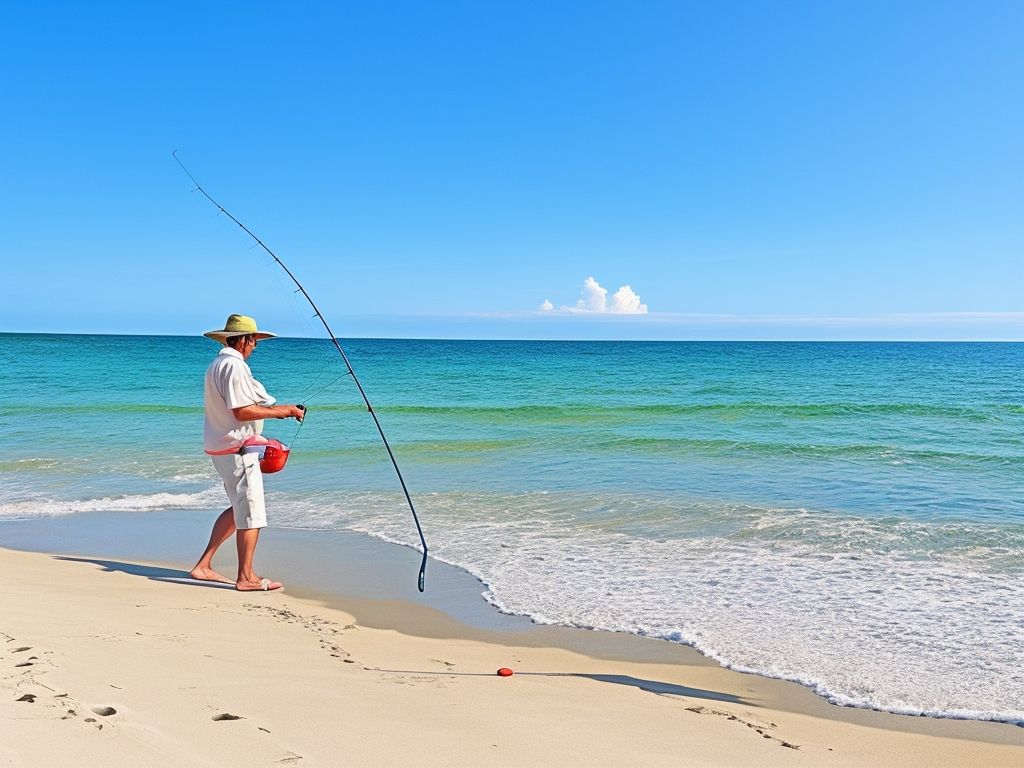
Beach fishing for flathead is an exciting and rewarding activity for fishing enthusiasts. Flathead fish, characterized by their unique physical features and behavior, can be found in various habitats along the coast. Understanding these fish and the techniques required to catch them is crucial for a successful beach fishing experience. This article will guide you through the essentials of beach fishing for flathead, from understanding the fish species to choosing the right gear, beach selection, fishing techniques, and safety considerations. Whether you are a beginner or an experienced angler, these tips and insights are valuable for a memorable and productive day of flathead fishing by the beach.
Key takeaways:
- Understanding Flathead Fish: Familiarize yourself with the physical characteristics, behavior, and habitats of Flathead fish to increase your chances of success in beach fishing.
- Essential Gear and Equipment: Choose the right rods, reels, lines, bait, lures, tackle, and accessories to ensure a successful and enjoyable beach fishing experience for Flathead.
- Techniques and Tips: Master casting, time your fishing trips, use burley, read the water, and practice patience and persistence to maximize your chances of catching Flathead while beach fishing.
Understanding Flathead Fish

Get ready to dive into the world of flathead fish! In this section, we will unravel the mysteries surrounding these fascinating creatures, exploring their physical characteristics and delving into their behavior and habitats. Brace yourself for an underwater adventure, as we uncover the intriguing facts and figures about flathead fish that will leave you hooked and reeling for more!
Physical Characteristics of Flathead Fish
The physical characteristics of flathead fish, such as their body shape, coloration, mouth and teeth, size, and fins, play a crucial role in their behavior and habitat preferences. Flathead fish have a distinct flattened body shape, which allows them to blend into the sandy ocean floor. They typically have a sandy or brownish color, aiding in their camouflage. With a large mouth and sharp teeth, flathead fish are capable of ambushing their prey. Impressive in size, some flathead fish can reach up to 2 meters in length. They also have well-developed pectoral and pelvic fins, which assist in their maneuvering and hunting abilities.
Understanding these physical characteristics is essential for successful beach fishing for flathead. Anglers who are aware of these traits can choose the right techniques and equipment to effectively target these elusive predators.
Behavior and Habitats of Flathead Fish
Understanding the behavior and habitats of flathead fish is essential for successful beach fishing. Flathead fish can primarily be found in shallow, sandy areas along the coast, where they often seek refuge under submerged structures such as rocks and fallen branches. These nocturnal predators mainly feed at night and spend their days buried in the sand. To effectively target flathead fish, anglers should consider their behavior patterns and preferred habitats. A helpful tip is to search for areas with sandy bottoms near structures like rock piles or jetties, and to fish during periods of low light for a higher chance of success.
Essential Gear and Equipment for Beach Fishing
When it comes to beach fishing for flathead, having the right gear and equipment is essential for a successful day on the sand. In this section, we’ll dive into the must-haves for the perfect beach fishing setup. From selecting the right rods, reels, and lines to choosing the best bait and lures, along with the essential tackle and accessories, we’ve got you covered. Get ready to gear up and reel in those flathead like a pro!
Rods, Reels, and Lines
When it comes to beach fishing for flathead, selecting the right rods, reels, lines, and gear is crucial for a successful fishing experience. Consider the following:
- Rods: Opt for a medium to heavy spinning or baitcasting rod that is around 7 to 9 feet in length for casting distance, strength, and control.
- Reels: Choose a reel that is suitable for the rod you have selected and has a smooth drag system for reeling in the powerful flathead fish.
- Lines: Use a braided line with a strong pound test rating for better sensitivity and durability when dealing with the rocky or sandy beach environments.
Having the right rods, reels, and lines ensures you have the strength and control needed to land the elusive flathead fish.
Bait and Lure Selection
When it comes to bait and lure selection for beach fishing for flathead, it is crucial to take into account the preferences and habits of the fish. To assist you in this process, here is a step-by-step guide:
- Conduct Research: Familiarize yourself with the types of bait and lures that flathead fish find appealing.
- Utilize Live Bait: Attract flathead by using live bait such as beach worms, prawns, or small fish.
- Opt for Soft Plastic Lures: Choose soft plastic lures in natural colors and shapes that resemble the prey of flathead.
- Consider Hard Body Lures: Select hard body lures that imitate small fish or crustaceans, which are part of flathead’s diet.
- Try Jigging Lures: Experiment with jigging lures that have a jig head and a soft plastic tail to entice flathead into biting.
Tackle and Accessories
When it comes to beach fishing for flathead, having the right tackle and accessories is crucial. Here are some essential items to consider:
- Rods, reels, and lines: Choose a rod and reel combo that can handle the weight and strength of flathead fish. Opt for a medium-heavy or heavy rod with a durable reel and a strong fishing line.
- Bait and lure selection: Flatheads are known to be attracted to live baits such as sand worms, prawns, and pilchards. Lures like soft plastics, spoons, and metal jigs can also be effective in enticing them.
- Tackle and accessories: Carry a tackle box with various hooks, sinkers, swivels, and leaders. Also, don’t forget essentials like pliers, scissors, a landing net, and a sturdy tackle bag to keep everything organized and easily accessible.
In 1874, a passionate beach angler named Albert Loomis revolutionized beach fishing tackle by inventing the first multi-purpose fishing rod. His invention incorporated adjustable lengths and versatile rod tips, allowing anglers to tackle different fish species and fishing conditions with ease. Today, his innovative design serves as the foundation for modern beach fishing tackle, providing anglers with the tools they need to succeed in their pursuit of flathead and other sought-after fish species.
Choosing the Right Beach for Flathead Fishing
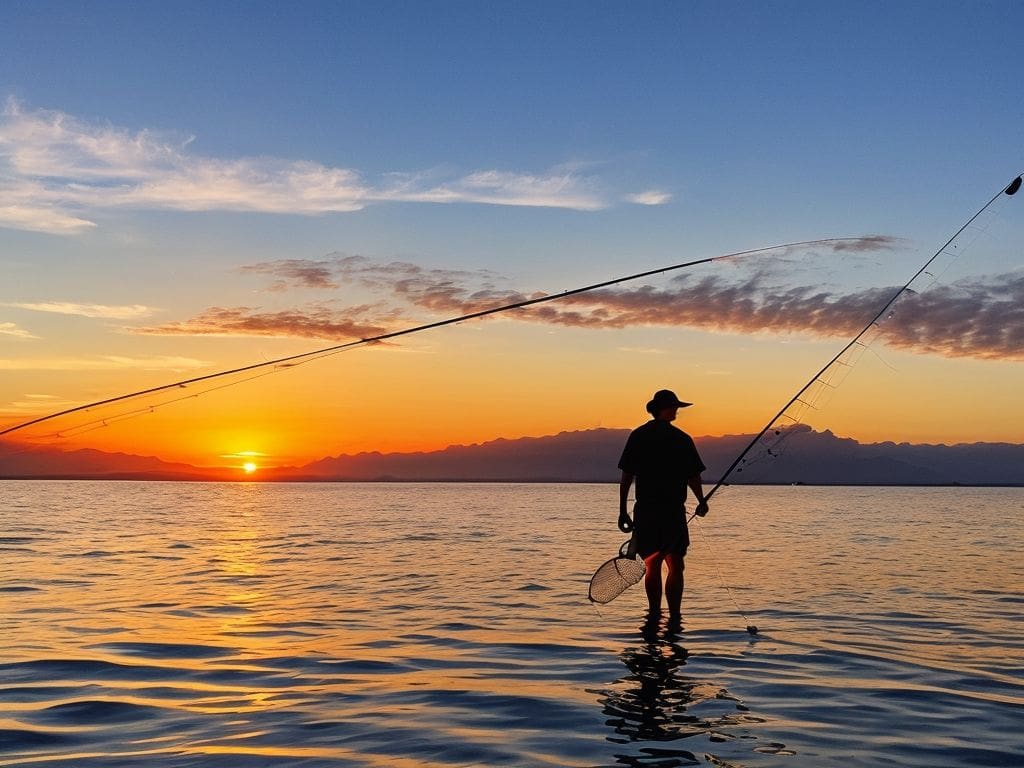
When it comes to beach fishing for flathead, choosing the right beach can make all the difference. In this section, we’ll dive into the secrets of selecting the perfect beach for your flathead fishing adventures. We’ll uncover the art of identifying those suitable beach locations that flathead love, as well as considering the unpredictable tides and currents that can affect your fishing success. Get ready to reel in some big catches as we explore the ins and outs of beach selection for flathead fishing.
Identifying Suitable Beach Locations
Identifying suitable beach locations is crucial for successful flathead fishing. When looking for the perfect fishing spot, anglers must consider the beach’s structure, water depth, and proximity to relevant features. It is essential to seek out beaches with sandy bottoms, as flatheads prefer these areas. Optimal locations for fishing may also have nearby structures such as rocky areas or estuaries, providing ideal hiding spots for flatheads. Additionally, paying attention to water depth is important, as flatheads tend to stay in deeper waters during the day and move closer to shore at night. By accurately identifying suitable beach locations, anglers can significantly increase their chances of finding and catching flathead fish.
Considering Tides and Currents
Considering tides and currents is crucial for successful beach fishing for flathead. It is important to understand the impact of these factors on the movement and feeding patterns of flathead fish. \
Some Facts About Beach Fishing for Flathead:
- ✅ Flathead is a popular species for beach fishing enthusiasts. (Source: Fishing World)
- ✅ To catch flathead, anglers often use bait such as pilchards or live mullet. (Source: Sport Fishing Magazine)
- ✅ Beach fishing for flathead is best during the low tide and early mornings or late afternoons. (Source: Fishing Monthly)
- ✅ The tackle used for beach fishing for flathead usually includes a light to medium-weight fishing rod and a spinning reel. (Source: The Fishing Website)
- ✅ Successful flathead fishing requires patience and knowledge of their feeding habits and preferred habitats. (Source: NSW Department of Primary Industries)