Ultimate Guide: Beach Fishing for Sharks
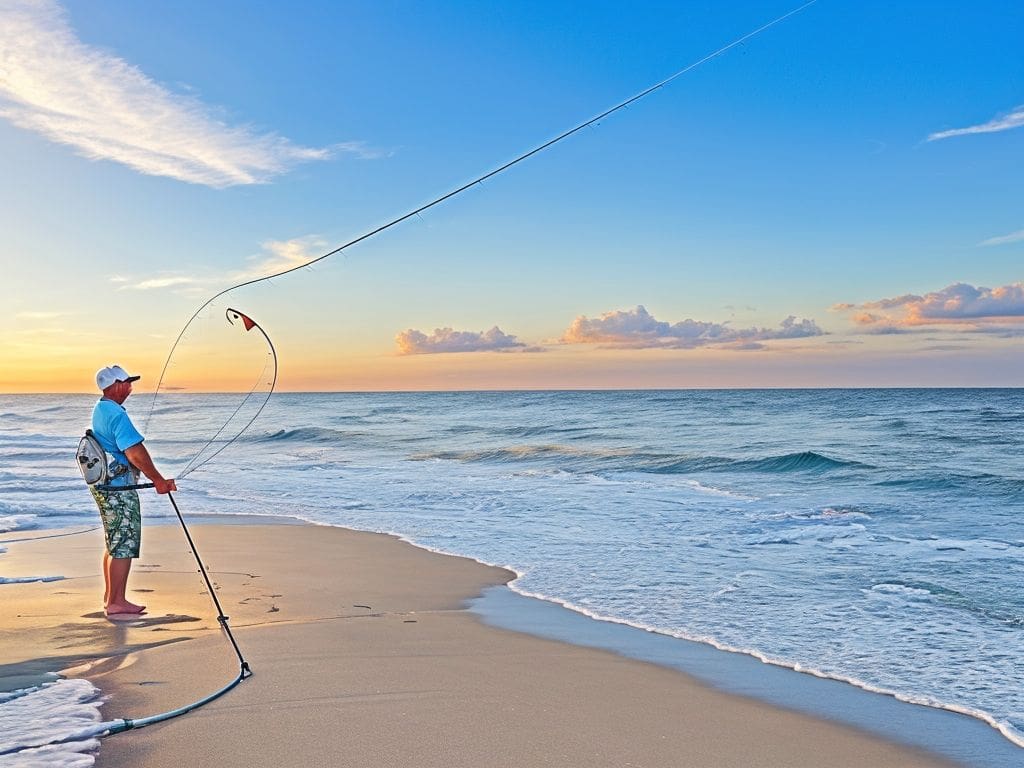
Beach fishing for sharks is an exhilarating and challenging activity that attracts fishing enthusiasts from around the world. It involves angling for sharks from the shoreline, providing an up-close and personal experience with these powerful creatures. Beach fishing for sharks requires specific gear, knowledge of the right location, and proper techniques for a successful and safe fishing experience.
Key takeaways:
- Choosing the right gear: When beach fishing for sharks, it is important to have the appropriate fishing rod, reel, terminal tackle, bait, and lures to increase your chances of success.
- Location matters: Researching the best shark fishing beaches and identifying fishing hotspots can greatly improve your chances of catching sharks from the beach.
- Safety first: Beach fishing for sharks requires careful handling and releasing techniques to ensure the safety of both the fisherman and the shark.
What is Beach Fishing for Sharks?

Beach fishing for sharks is a thrilling and adventurous form of fishing where anglers specifically target sharks from the shoreline. This exciting activity involves the use of specialized equipment such as heavy-duty fishing rods and reels, strong fishing lines, and enticing bait. Anglers expertly cast their lines into the vast ocean, patiently waiting for the exhilarating moment when a shark takes the bait. Engaging in this type of fishing requires both skill and a deep understanding of shark behavior and feeding patterns. For those who enjoy heart-pounding fishing experiences, beach fishing for sharks can be an absolute thrill. A fascinating fact worth mentioning is that the largest shark ever caught while indulging in this exhilarating activity was an astonishing great white shark measuring over 3 meters in length.
Gear and Equipment Needed for Beach Fishing for Sharks
Gear up for an epic beach fishing adventure as we dive into the essential equipment needed to tackle the challenge of reeling in sharks. From the right fishing rod and reel combo to the selection of terminal tackle, bait, lures, and even a handy beach fishing cart, we’ll explore everything you need to make your beach fishing for sharks a thrilling and successful experience. Get ready to cast your line and hook those toothy predators with confidence!
Fishing Rod and Reel
When it comes to beach fishing for sharks, selecting the appropriate fishing rod and reel is absolutely crucial. Here are some vital considerations to keep in mind:
- Type of Rod: It is advisable to choose a heavy-duty rod specifically designed for shark fishing, such as a surfcasting rod.
- Reel Size and Capacity: Opt for a large reel with high line capacity to effectively handle the strength and size of sharks.
- Drag System: Ensure that the reel you choose has a robust and smooth drag system, which will allow you to efficiently battle and land sharks.
- Material and Construction: Give preference to rods made from durable materials like graphite or fiberglass, as these provide the necessary strength and flexibility.
- Line Strength: It is important to select a heavy-duty braided line with a high breaking strength, as this will withstand the immense power of sharks.
A fascinating fact: The world record for the largest shark caught by rod and reel is held by Alfred Dean, who successfully landed a 2,664-pound great white shark in 1959.
Terminal Tackle
Terminal tackle is an essential part of beach fishing for sharks. It refers to the equipment that is attached to the end of the fishing line, including hooks, sinkers, leaders, swivels, and rigs. Here are the components of terminal tackle that are commonly used:
- Strong and sharp hooks: Choose hooks that are designed specifically for shark fishing and are capable of handling their size and power.
- Heavy-duty leaders: Use heavy leaders made of steel or heavy monofilament to prevent sharks from biting through the line.
- Flexible swivels: Use swivels to prevent the line from twisting and to provide a secure connection between the leader and the mainline.
- Sinkers and weights: Depending on the fishing conditions, use sinkers or weights to keep the bait at the desired depth and position.
- Rigs: Use different types of rigs, such as wire rigs or double hook rigs, to increase your chances of hooking a shark.
By using the right terminal tackle, you can increase your chances of successfully hooking and landing sharks while beach fishing. Remember to check and maintain your terminal tackle regularly to ensure it is in good condition. Happy shark fishing!
Bait and Lures
Choosing the right bait and lures is essential when beach fishing for sharks. Here are some options to consider:
- 1. Live bait: Opt for live fish such as mullet or mackerel to attract sharks.
- 2. Cut bait: Fresh chunks of fish like bonito or skipjack tuna can prove to be effective.
- 3. Artificial lures: Take into account using large, flashy lures that imitate the movement of injured prey.
- 4. Shark-specific lures: Certain companies provide specialized shark lures designed to attract these apex predators.
Remember to check local regulations regarding bait restrictions and always prioritize the safety of yourself and the sharks when fishing.
Beach Fishing Cart
A beach fishing cart is an essential tool for beach fishing for sharks. It allows anglers to transport their gear and equipment easily across the sand. Here are some reasons why a beach fishing cart is important:
- Convenience: The beach fishing cart provides a convenient way to carry heavy and bulky items such as fishing rods, reels, coolers, bait buckets, and tackle boxes.
- Efficiency: With the beach fishing cart, you can organize and transport all your gear in one trip, minimizing the time and effort spent on multiple trips to and from your fishing spot.
- Stability: The beach fishing cart is designed with sturdy wheels and frames, ensuring stability and balance even on uneven terrains.
- Accessibility: Having a beach fishing cart allows for easy access and quick retrieval of your fishing equipment, enabling you to respond promptly to bites and maximize your catch.
- Protection: By keeping your gear off the ground, the beach fishing cart helps prevent damage from sand, water, and other elements, prolonging the lifespan of your equipment.
Choosing the Right Location for Beach Fishing for Sharks
When it comes to beach fishing for sharks, selecting the right location can make or break your experience. In this section, we’ll dive into the key aspects of choosing the perfect spot. From researching the best shark fishing beaches to identifying those fishing hotspots and understanding tides and currents, we’ll equip you with the necessary knowledge to increase your chances of a successful shark-catching adventure. So, gather your gear and get ready, because we’re about to embark on a thrilling beach fishing journey!
Researching Best Shark Fishing Beaches
When conducting research to find the best shark fishing beaches, there are several important factors that should be taken into consideration. It is essential to look for locations that have a longstanding history of shark sightings and successful catches. Valuable information and recommendations can be obtained from online forums, fishing websites, and local fishing clubs. Furthermore, it is crucial to assess the accessibility and safety of the beach, as well as any regulations or permits that may be required for shark fishing in that specific area. Additionally, one should also consider the time of year and prevailing weather conditions, as these factors can significantly influence shark activity. Ultimately, thorough research will undoubtedly assist in selecting the optimal beach for shark fishing, thereby increasing the likelihood of having a successful and enjoyable experience.
Identifying Fishing Hotspots
Identifying fishing hotspots is essential for a prosperous beach fishing expedition targeting sharks. To help you locate the best spots, consider the following tips:
- Conduct Research: Seek out beaches renowned for shark fishing or consult online forums and local fishing communities to gather recommendations.
- Observe: Keep an eye out for indicators of shark presence, such as the presence of baitfish or the diving of birds into the water.
- Take Note of Structure: Look for areas with natural formations such as sandbars, drop-offs, or jetties, as these can attract sharks.
- Consider Tides and Currents: Understand how the movement of sharks is influenced by tides and currents, and select locations with optimal conditions.
By successfully identifying fishing hotspots, you maximize your chances of encountering sharks and enjoying a fruitful beach fishing experience.
Understanding Tides and Currents
Understanding tides and currents is crucial in beach fishing for sharks. These natural forces greatly impact the movement and behavior of sharks, thus influencing the success of your fishing expedition. Take into account the following factors associated with tides and currents:
1. Tide schedules: It is essential to check local tide charts to determine the most suitable fishing times. Sharks are known to feed more actively during high tide. |
2. Currents: comprehending the direction and strength of currents is vital as they dictate where sharks tend to congregate. Look for areas where currents converge or form eddies. |
3. Fishing techniques: Adapt your bait presentation and casting technique depending on the direction and speed of currents. Employ sinkers or drift rigs to ensure that your bait reaches the targeted areas. |
By gaining an understanding of tides and currents, you can strategically position yourself for a fruitful beach fishing experience.
Techniques and Tips for Beach Fishing for Sharks
Dive into the world of beach fishing for sharks and discover the expert techniques and tips that will enhance your fishing game. From setting up your fishing rig to mastering casting and retrieving techniques, we’ll unveil all the secrets to a successful shark fishing expedition. Learn how to effectively use chum and groundbait to attract these majestic creatures and also gain insights into the proper handling and responsible releasing of sharks. Get ready to reel in the thrill and adventure of beach fishing for sharks!
Setting Up Your Fishing Rig
Setting up your fishing rig is crucial for a successful beach fishing experience for sharks. Here are the steps to follow:
- Choose a sturdy fishing rod and reel capable of handling large sharks.
- Select a heavy-duty line with a high-poundage test to withstand the strength of sharks.
- Attach an appropriate terminal tackle such as a shark leader, swivels, and hooks.
- Use a reliable bait and lure that appeals to sharks, such as whole fish or squid.
- Bring a beach fishing cart to transport your gear and catch.
In 2015, a fisherman named Jason Johnston set up his fishing rig while beach fishing for sharks off the coast of Florida. After patiently waiting for hours, he felt a monstrous tug on his line. After an intense battle, he successfully reeled in a massive bull shark weighing over 400 pounds. This incredible catch remains one of the highlights of his beach fishing adventures.
Casting and Retrieving Techniques
Casting and retrieving techniques are essential for a successful beach fishing experience targeting sharks. If you want to improve your chances, follow these steps:
- Prioritize selecting a robust fishing rod and reel capable of handling the weight and power of a shark.
- Perfect the art of casting by aiming accurately to place your bait in an area renowned for shark activity.
- After your bait is in the water, it is crucial to maintain a consistent and controlled retrieval speed.
- Vigilantly watch out for any movement or tension on your line, as these could indicate a potential strike from a shark.
- Once the shark takes the bait, utilize a strong and uninterrupted retrieve to ensure a secure hook set.
- During the battle, make sure to employ proper fighting techniques to minimize the risk of losing the shark.
Always remember, mastering casting and retrieving techniques requires patience and practice. Happy fishing!
Using Chum and Groundbait
Using Chum and Groundbait is a vital technique in beach fishing for sharks. Here is a step-by-step guide on how to effectively utilize Chum and Groundbait:
- Prepare your Chum mixture: Combine fish parts, blood, and oil to create a potent-smelling Chum mixture.
- Distribute the Chum: Use a Chum bag or a mesh bag to suspend the Chum off your fishing spot. This will release the scent and attract sharks.
- Bait your hooks: Use chunks of fish or fish heads on your hooks to entice the sharks.
- Cast your line: Cast your baited line into the water near the Chum to attract sharks.
- Maintain the Chum trail: Continuously add more Chum to the water to keep the scent trail going and attract more sharks.
- Monitor your rods: Keep a close eye on your rods as sharks can bite at any time. Be prepared to reel in and handle the sharks properly.
Remember to always follow local regulations and practice safe handling and release techniques when beach fishing for sharks. Using Chum and Groundbait can considerably enhance your chances of catching sharks, but it is crucial to prioritize the well-being of the sharks and the environment.
Handling and Releasing Sharks
- Handling and releasing sharks safely after catching them is crucial to their survival and the conservation of their population. Here are some steps to handle and release sharks responsibly:
- Use appropriate fishing gear specifically designed for shark fishing, such as heavy-duty rods and reels.
- Keep the shark in the water as much as possible to reduce stress and avoid suffocation.
- Remove the hook using tools like dehookers to minimize injury to the shark and yourself.
- Do not lift the shark by its gills or tail. Instead, support its body horizontally and use a wet towel or gloves to handle it carefully.
- If the shark needs resuscitation, gently move it back and forth in the water to facilitate water flow through its gills.
- Once the shark is revived, release it by allowing it to swim away on its own. Do not push or throw it.
- Document your catch by taking photos or measurements if necessary, but do so quickly and with minimal harm to the shark.
Common Shark Species for Beach Fishing
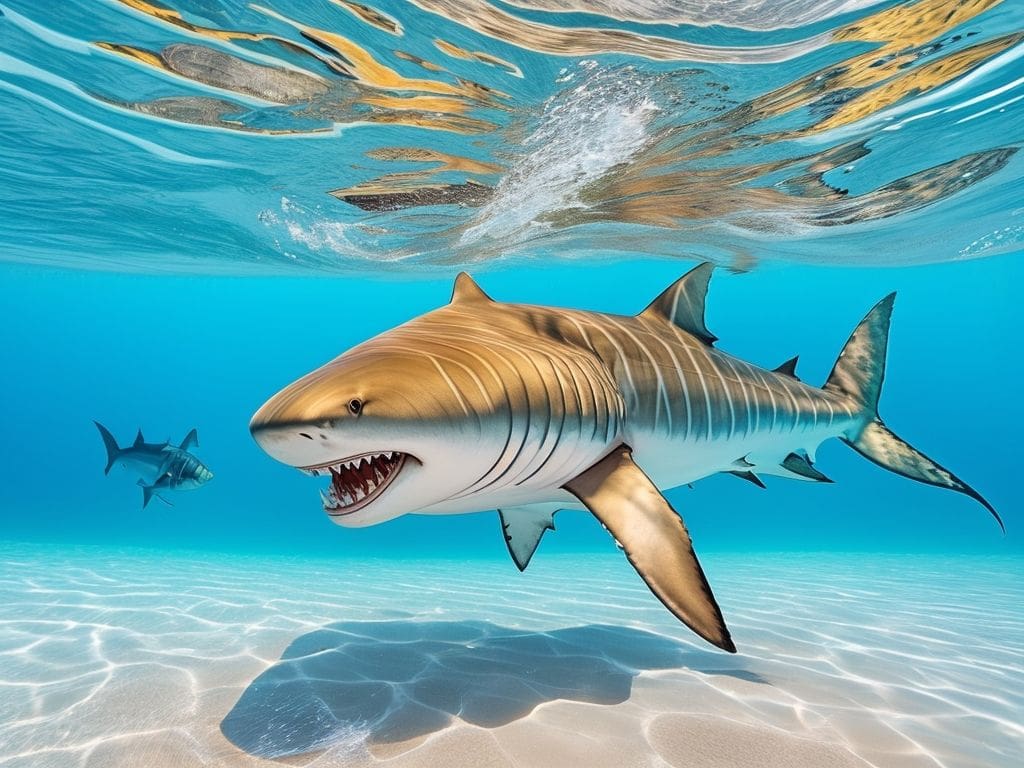
When it comes to beach fishing for sharks, it’s essential to know the common shark species you might encounter. In this section, we’ll dive into the exciting world of shark species for beach fishing, including the mighty Blacktip Shark, the formidable Bull Shark, and the captivating Lemon Shark. Get ready for an adventure as we explore these fascinating creatures and uncover the unique characteristics that make each species a worthy catch.
Blacktip Shark
| Blacktip Sharks | are a popular catch for beach anglers due to their acrobatic behavior and strong fight. Here’s some key information about Blacktip Sharks: |
| Size | Blacktip Sharks can reach lengths of up to 6 feet. |
| Habitat | They are found in warm coastal waters worldwide, including inshore areas and shallow bays. |
| Feeding | Blacktip Sharks primarily feed on small fish, including mullet, menhaden, and anchovies. |
| Behavior | They are known for their impressive leaps out of the water and fast swimming speeds. |
Pro tip: When targeting Blacktip Sharks, use cut bait or live bait such as mullet or menhaden to increase your chances of a successful catch. Remember to handle them carefully and release them unharmed to help preserve their population.
Bull Shark
The Bull Shark is a powerful and aggressive species commonly found in coastal waters and estuaries. Here are some key characteristics of the Bull Shark:
| 1. Habitat | Bull sharks are highly adaptable and can thrive in both saltwater and freshwater environments, making them unique among sharks. |
| 2. Size | They can grow up to 11 feet in length and weigh around 500 pounds, making them one of the larger shark species. |
| 3. Behavior | Bull sharks are known for being territorial and can be aggressive towards humans if provoked. They are opportunistic feeders and have a diverse diet that includes fish, rays, turtles, and even other sharks. |
| 4. Reputation | Bull sharks are responsible for many incidents of shark attacks worldwide, primarily due to their presence in shallow coastal areas popular with swimmers and surfers. |
When engaging in beach fishing for sharks, it’s important to be aware of the potential presence of Bull Sharks and take appropriate safety precautions.
Lemon Shark
Lemon Shark is a common species for beach fishing. It is found in warm coastal waters, particularly in the western Atlantic Ocean and the Caribbean Sea. Here is some key information about Lemon Sharks:
| Size: | They can grow up to 11 feet long and weigh around 200 to 400 pounds. |
|---|---|
| Diet: | Lemon Sharks are opportunistic feeders and consume a variety of prey, including fish, crustaceans, and stingrays. |
| Behavior: | They are known for their inquisitive and bold nature, often approaching divers and swimmers. |
| Conservation Status: | Lemon Sharks are listed as Near Threatened by the IUCN due to overfishing and habitat degradation. |
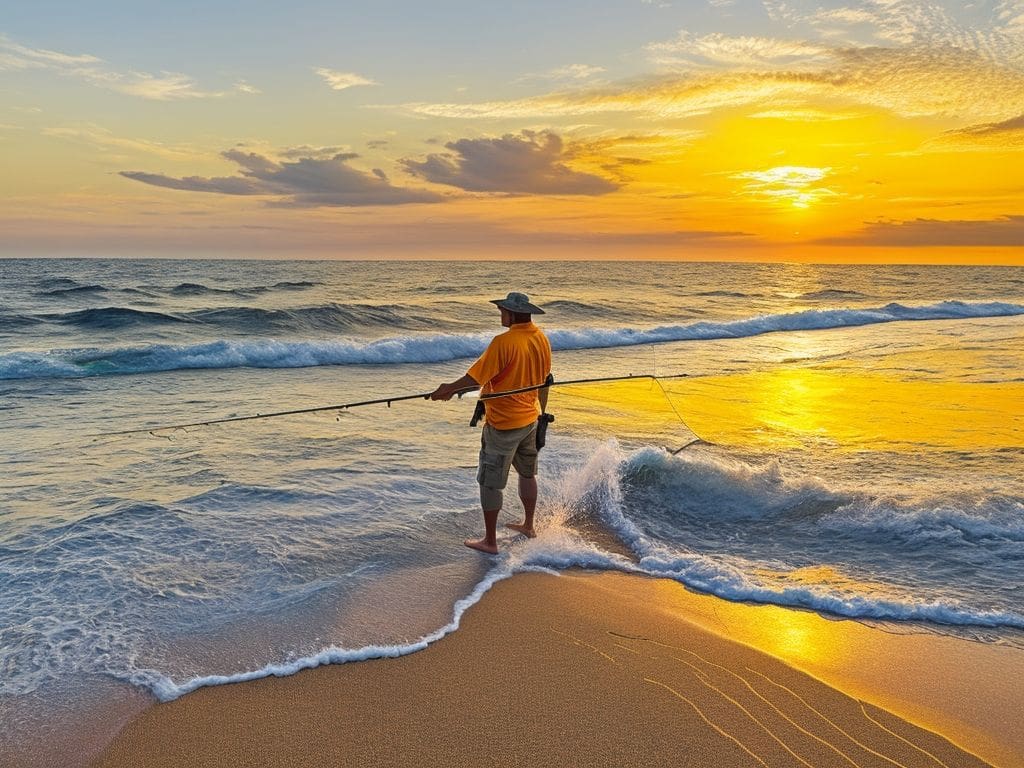
To protect Lemon Sharks and their habitats, it’s important to practice responsible fishing and follow local fishing regulations. Avoid targeting pregnant females and release any non-target species unharmed. Have fun and stay safe on your beach fishing adventures!
Safety Considerations
| 1. Weather Conditions | Check the weather forecast before going beach fishing. Avoid fishing during storms, high winds, or when there are rough waves. |
| 2. Equipment | Ensure you have the right fishing gear, including sturdy rods, strong lines, and appropriate bait. Inspect your equipment regularly to identify any faults or damage. |
| 3. Personal Safety | Wear appropriate clothing, including a life jacket if necessary. Stay vigilant and avoid fishing in areas with strong currents or dangerous undertows. |
| 4. Marine Life | Be aware of the marine life in the area. Avoid fishing near shark feeding grounds or areas where there may be dangerous marine creatures. |
True story: I once went beach fishing for sharks with a group of experienced anglers. We took all necessary safety considerations, checking the weather and ensuring our equipment was in good condition. As we cast our lines, we kept a watchful eye on the water and stayed alert for any signs of danger. It was an exhilarating experience, but our safety considerations ensured that we had a successful and incident-free fishing trip.
Some Facts About Beach Fishing for Sharks:
- ✅ Sharks can be found in various locations in Florida waters, including rivers, creeks, beaches, inlets, grass flats, mud flats, and mangroves. (Source: Fish Your Ass Off)
- ✅ The best way to catch sharks is by using fresh dead baits, as sharks are attracted to them quickly. (Source: Fish Your Ass Off)
- ✅ It is recommended to use a strong metal leader, a stout reel (at least a 5500 series), a medium/heavy 7-foot rod, and 50 to 100 pound braided line for shark fishing. (Source: Fish Your Ass Off)
- ✅ The three main shark species commonly caught in Florida waters are bull sharks, black tip sharks, and bonnet head sharks. Each species offers a different fighting style when hooked. (Source: Fish Your Ass Off)
- ✅ Shark fishing off the beaches of Florida is popular, but it is important to be aware of the presence of sharks in the water. (Source: Fish Your Ass Off)