Aquarium vs. Fish Tank: What’s the difference?
When it comes to housing aquatic life, two terms that are often used interchangeably are “aquarium” and “fish tank,” but they are not exactly the same. Understanding the difference between the two can help you make informed decisions about the ideal habitat for your aquatic pets.
Key takeaway:
- An aquarium is a designated space for fish and aquatic life, often larger and designed to mimic natural habitats, while a fish tank is typically smaller and simpler in design.
- The purpose of an aquarium is to create an environment for fish and other aquatic creatures to thrive, while a fish tank is primarily used for keeping and displaying fish as pets.
- The key differences between an aquarium and a fish tank lie in their size, environment, equipment, and the types of fish they can house.
What is an Aquarium?
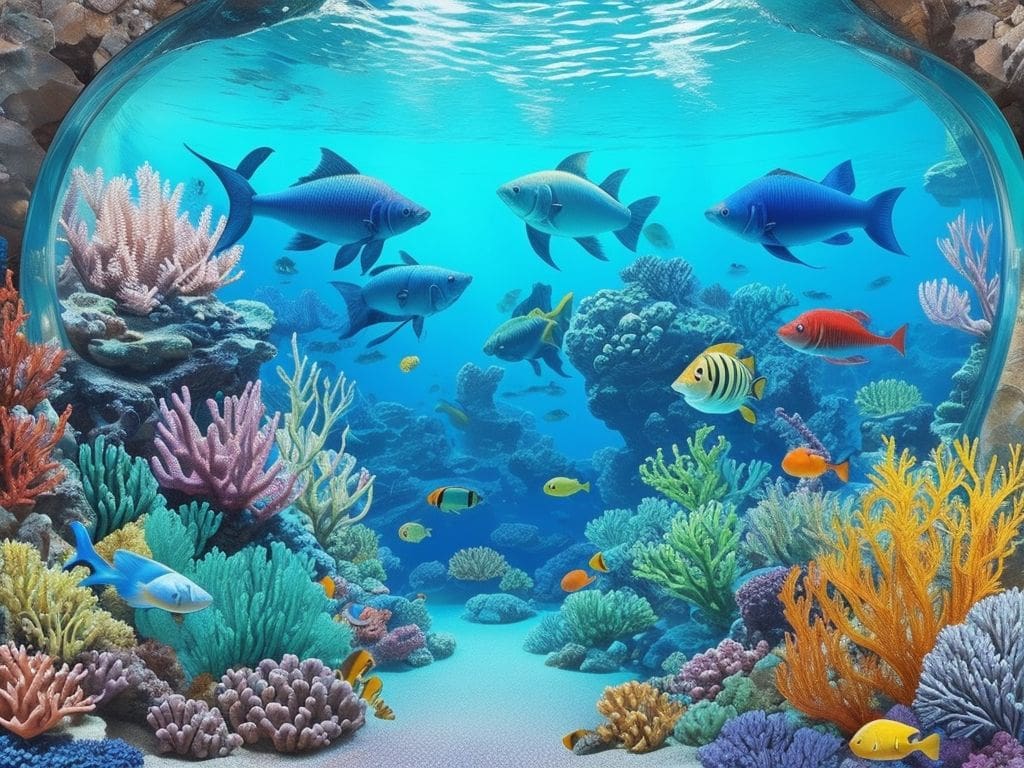
An aquarium isn’t just a tank full of water and fish. It’s a captivating underwater world that brings serenity and life into your space. In this section, we’ll dive into what truly defines an aquarium. We’ll explore its purpose, its ability to create a soothing environment, and how it provides a window into the mesmerizing underwater realm. So get ready to explore the fascinating world of aquariums and the magic they bring to our lives.
Definition of an Aquarium
An aquarium, a specially designed enclosure, is filled with water and used to keep fish, aquatic plants, and other marine life. It is a controlled environment that ensures the health and well-being of its inhabitants through proper filtration, lighting, and temperature control. The main purpose of an aquarium is to provide a visually appealing display of marine life while offering a safe and comfortable habitat for the fish. Unlike a fish tank, which is a mere container for holding fish, an aquarium is a more intricate and meticulously maintained system. In fact, the primary distinction between an aquarium and a fish tank lies in the level of attention and care dedicated to creating a suitable environment for marine life.
Fun Fact: The term “aquarium” originates from the Latin word “aqua,” which means water, along with the suffix “-rium,” signifying a place or container.
Purpose of an Aquarium
The purpose of an aquarium goes beyond just being a beautiful decoration. It provides several benefits for both the fish and the owner.
- Visual appeal: An aquarium adds a calming and aesthetic element to any space, enhancing the overall ambiance.
- Education: It serves as an educational tool, teaching children and adults about aquatic life and ecosystems.
- Stress reduction: Watching fish swim has a therapeutic effect, reducing stress and anxiety levels.
- Sensory stimulation: The sight and sound of water, along with the vibrant colors of fish, provide sensory stimulation.
- Learning responsibility: Owning an aquarium teaches responsibility as it requires regular maintenance and care.
- Connection with nature: An aquarium allows people to connect with the beauty and tranquility of nature, even in a small space.
- Conversation starter: It serves as a conversation starter and a focal point of interest during gatherings or visits.
- Entertainment: It provides entertainment and fascination as owners observe the behavior and interactions of the fish.
I once had a friend who suffered from anxiety. As a recommendation from their therapist, they decided to set up a small aquarium in their living room for the purpose of reducing anxiety. Over time, they noticed a significant improvement in their mental well-being. The aquarium not only provided a soothing environment but also became a source of joy and distraction. It brought a sense of calmness during stressful times and allowed them to develop a deeper appreciation for aquatic life. It was truly remarkable to witness the positive impact an aquarium had on their overall well-being.
What is a Fish Tank?
A fish tank, oh the possibilities! Dive into the world of aquatic wonder as we uncover what a fish tank truly is. From its definition to its purpose, we’ll uncover the secrets behind this mesmerizing underwater universe. Prepare to be amazed by the wonders that a fish tank holds, both for the fish and for us human admirers. Let’s embark on this journey and unlock the magic that lies within a fish tank!
Definition of a Fish Tank
A fish tank, also known as an aquarium, is a container specifically designed to house fish and other aquatic organisms. Made of either glass or acrylic, it provides visibility and observation of the fish. The primary purpose of a fish tank is to create a controlled and suitable environment for the fish to live in. This involves maintaining proper water conditions, temperature, filtration, and aeration. Fish tanks come in a variety of sizes, ranging from small desktop tanks to large, elaborate aquariums. The choice between a fish tank and an aquarium depends on factors such as available space, budget, and desired aesthetic. When selecting a fish tank, it is important to consider the needs of your fish and ensure it provides enough space for them to swim and thrive.
Purpose of a Fish Tank
A fish tank serves several purposes and can be a great addition to your home or office. The main purpose of a fish tank is to provide a suitable environment for fish to live and thrive in. It creates a peaceful and visually engaging display that can help reduce stress and promote relaxation. Furthermore, a fish tank can also be educational, especially for children, as it allows them to observe and learn about aquatic life. In addition, fish tanks can be used for breeding fish or growing aquatic plants. Ultimately, the purpose of a fish tank is to bring beauty, tranquility, and a piece of nature into your space.
The earliest recorded evidence of fish tanks dates back to ancient Sumeria around 2500 BCE, illustrating the longstanding and diverse purposes of fish tanks. Initially, these tanks were made of stone and utilized for food and religious practices related to different types of fish. As time progressed, fish tanks became more decorative and were utilized to showcase exotic fish and aquatic plants. It was during the 1850s when the first glass fish tank was introduced, revolutionizing the concept and giving birth to the modern fish tanks and aquariums we know today. Over the years, the purpose of fish tanks has evolved from practicality to aesthetics, bringing a sense of joy and serenity to countless homes around the world.
Key Differences Between an Aquarium and a Fish Tank
When it comes to creating a thriving aquatic habitat, understanding the key differences between an aquarium and a fish tank is essential. In this section, we’ll dive into the distinct factors that set these two environments apart. From the size and equipment to the variety of fish that can thrive within each, we’ll explore everything you need to know to make an informed choice for your underwater companions. So, let’s embark on this aquatic adventure and explore the fascinating contrasts between an aquarium and a fish tank!
Size
The size of an aquarium or fish tank plays a vital role in determining the number and type of fish you can keep. Here is a table comparing the size differences between an aquarium and a fish tank:
| Aspect | Aquarium | Fish Tank |
| Dimensions | Typically larger | Can be smaller |
| Capacity | Usually holds a larger volume of water | Tends to have a smaller water volume |
| Fish Limit | Can accommodate more fish species | May only accommodate a few fish |
| Space Requirements | Requires more space in your home or office | Can be placed in smaller areas |
Consider the size of your living space and the number of fish you want to keep when deciding between an aquarium and a fish tank. Remember to provide adequate space for the fish to swim and thrive.
Environment
When considering the environment, it is important to take into account the key differences between an aquarium and a fish tank.
An aquarium is specifically designed to replicate a natural aquatic environment, complete with plants, rocks, and a diverse range of fish species. The primary goal of an aquarium is to establish a balanced ecosystem that promotes the thriving of fish. The environment within an aquarium is carefully regulated, with meticulous attention given to filtration and lighting systems, all aimed at ensuring the health and well-being of the fish.
On the other hand, a fish tank is generally simpler and less intricate. It is commonly utilized for decorative purposes or to house a limited number of selected fish. While a fish tank also provides a suitable environment for fish, it may not possess the same level of meticulous filtration or attention to detail as an aquarium.
When making a decision between an aquarium and a fish tank, it is essential to consider the level of commitment and dedication you are willing to invest in maintaining a proper aquatic environment for your fish.
Equipment and Maintenance
Equipment and maintenance are crucial aspects to consider when choosing between an aquarium and a fish tank. Here is a comparison of the two in terms of their equipment and maintenance requirements:
Table: Equipment and Maintenance Comparison
| Aspect | Aquarium | Fish Tank |
|---|---|---|
| Required Equipment | Filter, heater, lighting, thermometer | Filter, heater, lighting, thermometer |
| Water Change Frequency | Typically 10-20% every 1-2 weeks | Typically 25-50% every 1-2 weeks |
| Cleaning Frequency | Regular cleaning of filter, gravel, and ornaments | Regular cleaning of filter, gravel, and ornaments |
| Maintenance Level | Moderate | Moderate |
| Cost | Higher cost due to more equipment and accessories | Lower cost as it requires fewer equipment and extras |
Considering the equipment and maintenance required, it is essential to assess your commitment, budget, and time availability before deciding between an aquarium or a fish tank.
Types of Fish
| Types of Fish | Description |
| Freshwater | Examples: Guppy, Tetra, Goldfish. These fish live in freshwater habitats like rivers, lakes, and ponds. |
| Marine | Examples: Clownfish, Tang, Seahorse. These fish reside in saltwater environments such as oceans and coral reefs. |
| Coldwater | Examples: Koi, Carp, Shubunkin Goldfish. These fish thrive in cooler water temperatures and require specific care. |
| Tropical | Examples: Angelfish, Gourami, Discus. These vibrant, colorful fish originate from warm, tropical regions. |
| Brackish | Examples: Figure 8 Puffer, Archerfish, Molly. These fish can tolerate a mix of freshwater and saltwater conditions. |
Considering the type of fish you want to keep is essential when deciding between an aquarium and a fish tank. Each type of fish has specific habitat requirements, which will determine the setup and maintenance needed. Freshwater fish are the most common and diverse, suitable for beginners. Marine fish require more expertise and equipment due to their saltwater needs. Coldwater, tropical, and brackish fish offer unique options for enthusiasts. Remember to research and understand the specific needs of your desired fish before making a decision.
Choosing the Right Option: Aquarium or Fish Tank
When it comes to creating a captivating underwater environment, deciding between an aquarium or a fish tank is crucial. In this article section, we will delve into the considerations for setting up both options, allowing you to make an informed choice. Whether you’re seeking a vibrant display of aquatic life or a functional setup for your fish companions, we’ll explore the key factors that come into play, helping you create the perfect underwater haven.
Considerations for Setting up an Aquarium
When setting up an aquarium, there are several important considerations for setting up an aquarium to keep in mind to ensure the well-being of your fish and the overall success of your aquarium.
- Choose the right size tank to accommodate your fish species and give them enough space to swim.
- Select the appropriate filtration system to maintain water quality and remove toxins.
- Decide on the type of substrate for the bottom of the tank, such as gravel or sand, which will provide a natural environment for your fish.
- Create a suitable lighting setup to support plant growth and enhance the aesthetic appeal of the aquarium.
- Consider the temperature requirements of your fish and invest in a reliable heater to maintain a stable and comfortable environment.
Pro-tip: Before adding any fish to your newly set up aquarium, make sure to properly cycle the tank by establishing beneficial bacteria to break down waste and maintain a healthy ecosystem.
Considerations for Setting up a Fish Tank
- When setting up a fish tank, there are several important considerations to keep in mind:
- Size: Determine the appropriate tank size based on the number and size of the fish you plan to keep.
- Location: Choose a suitable location for the tank, taking into account factors like sunlight exposure and stability of the surface.
- Equipment: Invest in essential equipment such as a filter, heater, and lighting to provide a healthy and comfortable environment for the fish.
- Water Conditions: Monitor and maintain proper water parameters, including temperature, pH, and ammonia levels, to ensure the well-being of the fish.
- Decoration: Add aquarium decorations like plants, rocks, and hiding spots to create a natural and stimulating environment for the fish.
- Fish Compatibility: Research and select fish species that can coexist peacefully in the tank, considering factors like size, behavior, and water requirements.
By considering these considerations for setting up a fish tank, you can set up a fish tank that provides a safe and suitable habitat for your aquatic pets. Happy fishkeeping!