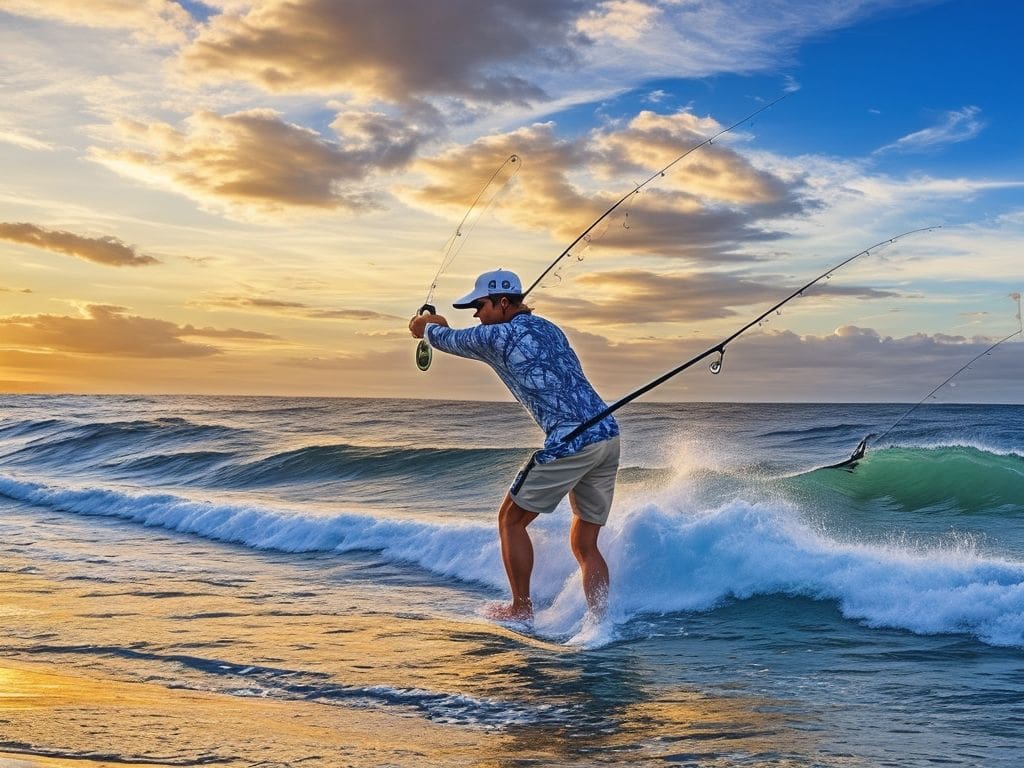
Surf vs. Inshore Fishing: Choosing the Best Technique
Surf fishing and inshore fishing are two popular types of fishing that offer unique experiences and challenges. Understanding the differences between these two forms of fishing can help you choose the one that suits your preferences and fishing goals.
Before diving into the differences, let’s understand what surf fishing and inshore fishing actually are.
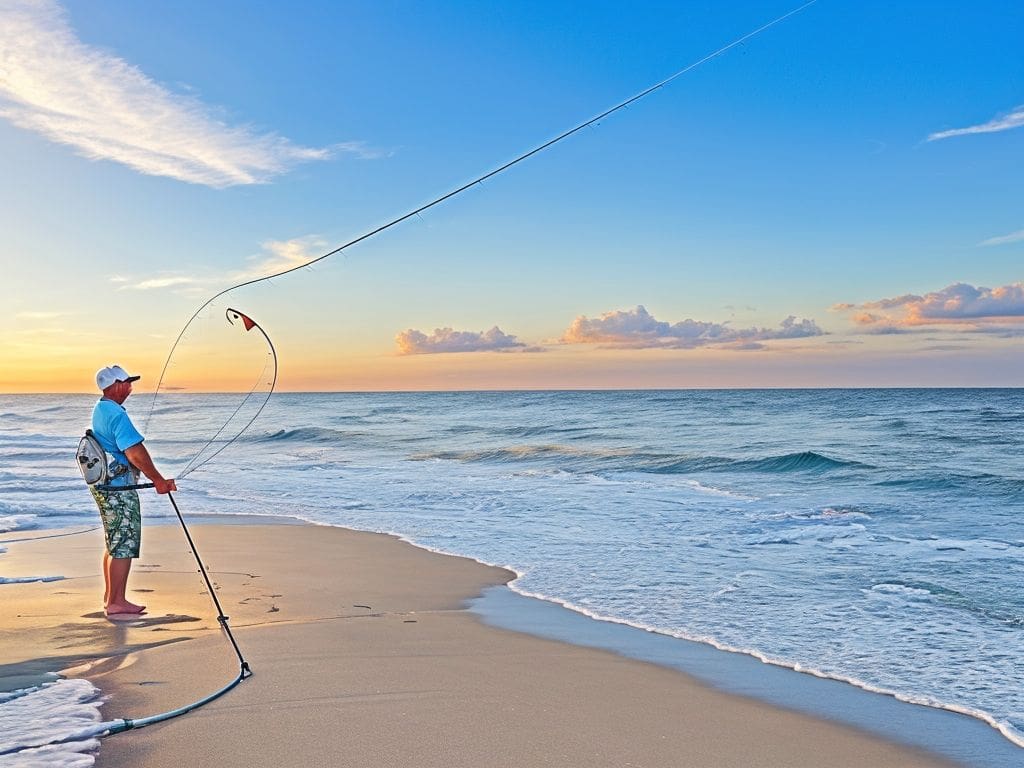
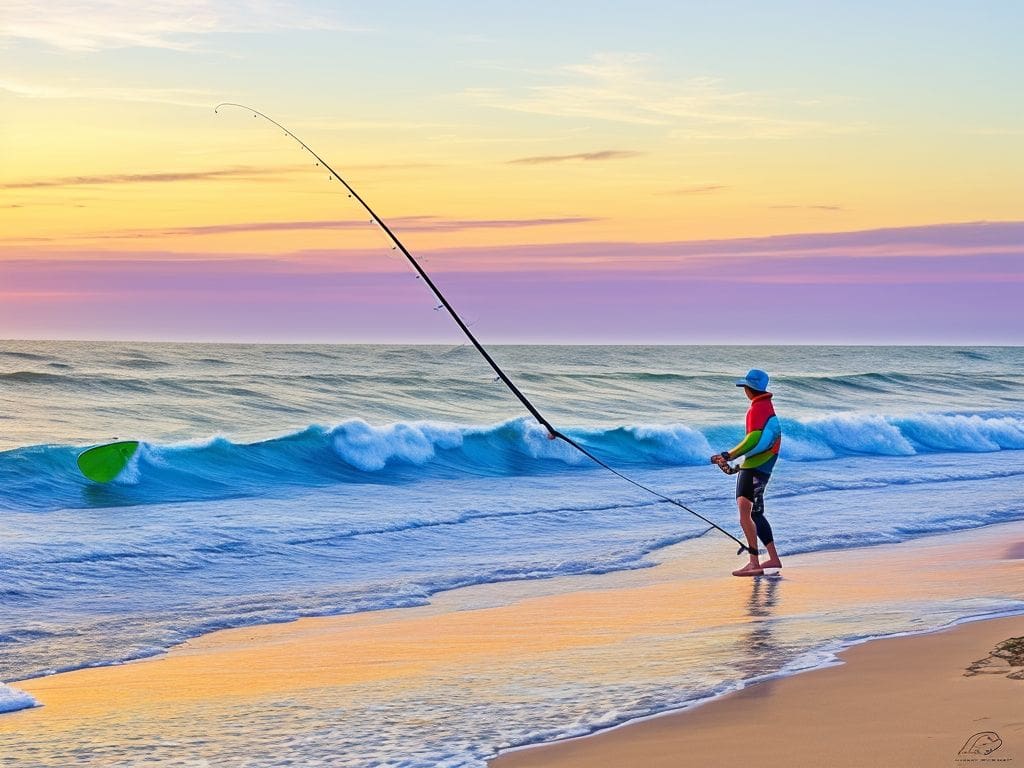
Surf fishing refers to the act of casting your fishing line from the shoreline into the ocean surf. It involves fishing from the sandy beach or rocks along the coast. On the other hand, inshore fishing involves fishing in the shallow waters near the shore, typically within a few miles of the coast.
Key takeaways:
- Location: Surf fishing takes place along the shoreline, while inshore fishing is done in the waters closer to shore.
- Techniques and Equipment: Surf fishing requires more heavy-duty gear to cast baits further, while inshore fishing allows for lighter tackle and more varied techniques.
- Targeted Fish Species: Surf fishing may offer the opportunity to catch larger fish species, while inshore fishing provides a wider variety of fish species to target.
What is Surf Fishing?
Surf fishing refers to fishing from the shoreline, typically along the sandy beaches or rocky areas near the ocean. It involves casting a fishing line into the surf using a variety of rods and reels. This type of fishing allows anglers to target species that inhabit the nearshore waters, such as striped bass, redfish, and pompano. Surf fishing provides an opportunity to enjoy the beach while challenging oneself to land larger fish. It is important to check local regulations and obtain the necessary permits before engaging in surf fishing. Beginners can start with basic equipment like a sturdy rod and reel, along with various bait options such as cut bait or artificial lures. So, grab your fishing gear, find a good spot on the beach, and enjoy a day of surf fishing!
What is Inshore Fishing?
What is Inshore Fishing?
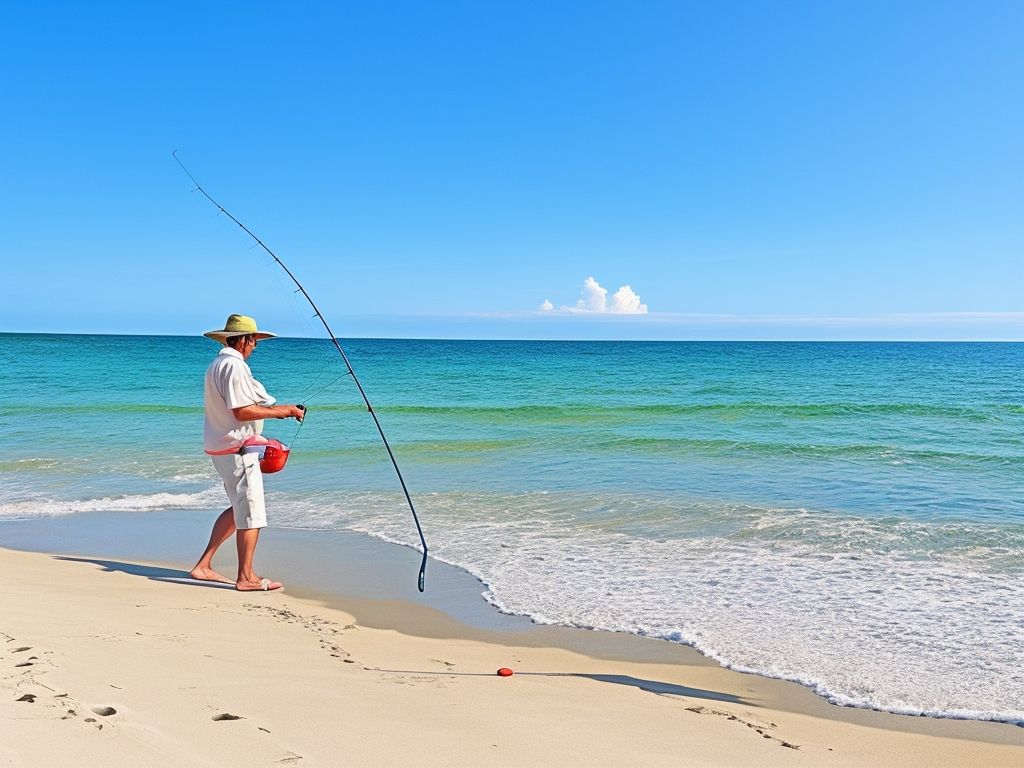
Inshore fishing refers to fishing activities that take place in the nearshore waters, typically within a few miles from the coastline. It involves targeting fish species that inhabit the shallow waters, such as bays, estuaries, and tidal flats. Inshore fishing is characterized by its accessibility and convenience, as anglers can easily reach their fishing spots from the shore or with small boats. This type of fishing is popular among recreational fishermen due to the wide variety of fish species available and the opportunity for consistent catches. Inshore fishing is often favored by beginners as it offers a less challenging and more predictable fishing experience, making it a great starting point for those new to the sport.
When considering inshore fishing, it’s important to research the specific fish species that are common in your desired location. Check local regulations and guidelines to ensure compliance with fishing seasons and size limits. Consider investing in appropriate gear, such as light tackle and artificial lures, to maximize your chances of success. Don’t forget to enjoy the beautiful scenery and tranquility of fishing inshore waters!
Differences Between Surf Fishing and Inshore Fishing
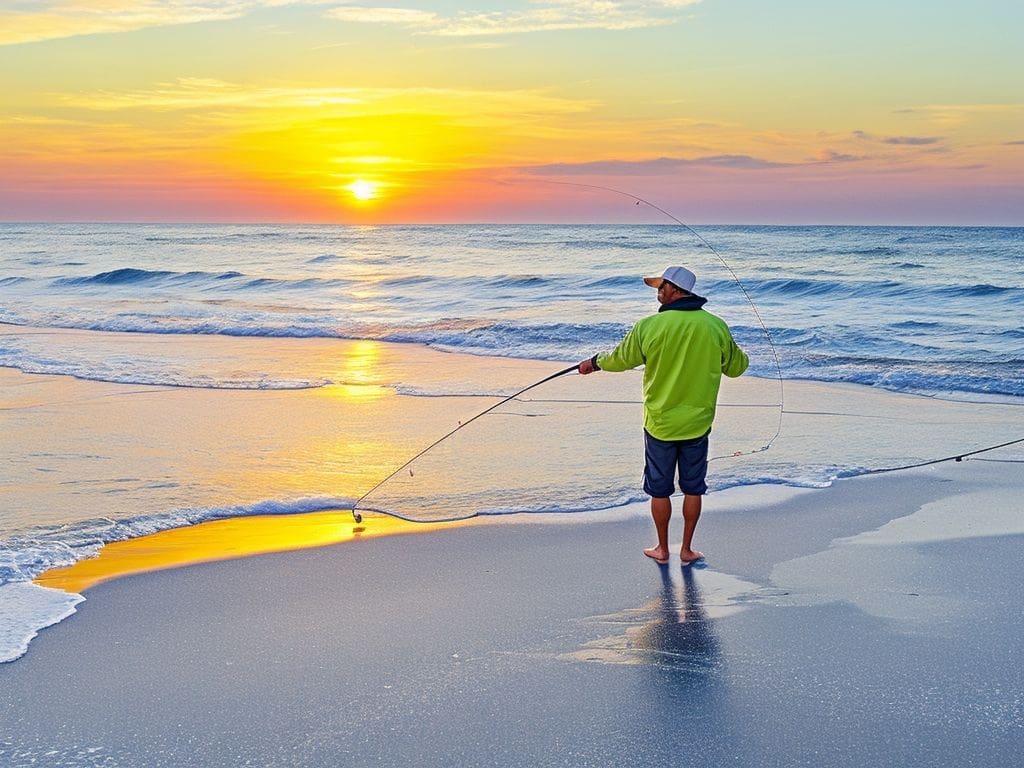
Looking to cast your line, but can’t decide between surf fishing and inshore fishing? Let’s dive into the differences between these two types of fishing. From the best locations to the techniques and equipment involved, we’ll explore everything you need to know. We’ll also touch on the targeted fish species and accessibility, catering to all skill levels. So, whether you prefer the crashing waves or the calm waters, get ready to reel in some exciting insights on surf fishing versus inshore fishing.
Location
When it comes to choosing between surf fishing and inshore fishing, the location plays a pivotal role. Surf fishing primarily occurs along coastal areas, where anglers cast their lines from the beach into the waves. This provides ample opportunity to catch a diverse range of fish species, including striped bass, redfish, and surfperch. On the other hand, inshore fishing takes place in shallower waters closer to the shore, such as estuaries, bays, and mangroves. The location of inshore fishing spots offers great potential to catch various fish, including snook, trout, and flounder. The location you opt for on your fishing adventure will determine the type of fish you can target and the overall experience you’ll have. Thus, it is vital to consider your preference and the availability of fishing locations before making a decision. The practice of surf fishing traces back centuries, with evidence of ancient civilizations employing handlines and makeshift hooks to catch fish from the surf. Inshore fishing has also been prevalent throughout history, with coastal communities relying on these areas for sustenance. Over time, techniques and equipment have evolved, but the allure of these fishing methods remains deeply rooted in the connection between the angler and the beautiful coastal locations where these activities take place.
Techniques and Equipment
Techniques and equipment play a crucial role in both surf fishing and inshore fishing. Consider the following key points:
- Surf Fishing Techniques: Mastering long casting techniques and using bait that can withstand strong currents are essential for achieving a good casting distance in surf fishing.
- Surf Fishing Equipment: To tackle larger fish in rough surf conditions, it is advisable to use sturdy rods and reels with a high gear ratio. Additionally, heavy-duty fishing lines and sinkers are necessary.
- Inshore Fishing Techniques: Targeting specific areas near structures to find fish requires precision casting. Commonly used techniques include jigging and trolling.
- Inshore Fishing Equipment: For inshore fishing, light to medium-weight rods and reels are suitable. It is important to have a variety of lures, hooks, and lines to adapt to different fishing conditions.
Targeted Fish Species
When deciding between surf fishing and inshore fishing, the targeted fish species can play a significant role in your decision-making process. Here are some important considerations for each type:
- Surf Fishing: When engaging in surf fishing, you can specifically target species such as striped bass, redfish, pompano, and bluefish. These fish are well-known for their impressive size and fighting capabilities, which makes surf fishing not only thrilling but also highly rewarding.
- Inshore Fishing: On the other hand, inshore fishing provides a broader range of fish species that you can focus on, including trout, snook, flounder, and sheepshead. With this option, you have more flexibility and ample opportunities to experiment with different fishing techniques.
Pro-tip: Before embarking on your fishing adventure, it is advisable to conduct thorough research on the specific fish species found in the area you plan to fish. This will enable you to choose the type of fishing that aligns perfectly with your desired catch. Additionally, always remember to check the local fishing regulations and ensure that you obtain the necessary licenses before heading out.
Accessibility and Skill Level
When deciding between surf fishing and inshore fishing, it is important to take into account both accessibility and skill level.
- Surf Fishing: Due to the challenges brought by rough waves and strong currents, surf fishing typically requires higher skill levels. Additionally, access to surf fishing spots may be more limited, necessitating long walks or hikes along the beach.
- Inshore Fishing: In contrast, inshore fishing is generally more accessible as the fishing spots are closer to shore and can be easily reached by boat, kayak, or from the shoreline. The skill level needed for inshore fishing may be lower, making it an excellent choice for beginners.
Fun Fact: Were you aware that some dedicated anglers enjoy participating in both surf fishing and inshore fishing, delighting in the advantages of both activities?
Advantages and Benefits of Surf Fishing

When it comes to surf fishing, the advantages and benefits are nothing short of extraordinary. Get ready to reel in this section as we uncover the exciting opportunities to catch larger fish, the thrilling and challenging experience it offers, and the added bonus of lower costs and minimal gear required. Whether you’re a seasoned angler or a curious newcomer, surf fishing promises to deliver an unforgettable adventure on the open water. So grab your gear and prepare to dive into the world of surf fishing like never before!
Opportunity to Catch Larger Fish
To take advantage of the opportunity to catch larger fish, surf fishing offers a distinct advantage. Below is a compilation of reasons why surf fishing presents this opportunity:
- Access to deeper waters: Surf fishing enables anglers to cast their lines into deeper waters where larger fish tend to inhabit.
- Greater variety: The open ocean presents a diverse range of species, including larger game fish such as striped bass, tarpon, and redfish.
- Bait availability: The abundance of baitfish in the surf attracts bigger predators, increasing the likelihood of landing substantial catches.
- Migration routes: Many larger fish species migrate along coastal routes, making surf fishing an ideal method for intercepting these schools.
- Less fishing pressure: In comparison to more popular locations like piers or charter boats, surf fishing spots often experience lower fishing pressure, providing a greater chance of catching larger fish.
Exciting and Challenging Experience
Surf fishing offers an exciting and challenging experience for anglers.
Casting from the shore into the surf provides a sense of adventure and anticipation as you wait for a bite.
Fighting against the strong currents and waves adds an extra level of difficulty, requiring skill and technique.
The unpredictable nature of surf fishing makes each catch exhilarating.
Whether you’re reeling in a big game fish or battling with a feisty striped bass, the thrill of landing a fish from the surf is unmatched.
For those seeking an adrenaline-filled fishing experience, surf fishing is the way to go.
Lower Costs and Minimal Gear
Surf fishing offers the advantage of lower costs and minimal gear, making it an accessible option for beginners. Here is a list of reasons why this type of fishing is cost-effective and requires minimal equipment:
- No need for a boat: Surf fishing takes place from the shoreline, eliminating the need for a costly boat or kayak.
- Basic gear: A fishing rod, reel, and some basic tackle are all that is needed for surf fishing, reducing the need for expensive equipment.
- Bait and lures: Common bait options for surf fishing, such as sand fleas or shrimp, are easily accessible and affordable.
- No additional expenses: Unlike offshore fishing, there are no additional costs for fuel, dock fees, or equipment maintenance.
By choosing surf fishing, anglers can enjoy the thrill of the sport while minimizing expenses and simplifying their gear requirements.
Advantages and Benefits of Inshore Fishing
Get ready to dive into the exciting world of inshore fishing and discover its numerous advantages and benefits. We’ll be exploring the wide variety of fish species that can be caught, the predictability and consistency of catches, as well as the convenience of being closer to shore and having easier access. So, grab your fishing gear and prepare for an unforgettable fishing experience that will keep you hooked from start to finish.
Variety of Fish Species
When it comes to selecting between surf fishing and inshore fishing, one of the factors to consider is the variety of fish species that can be caught. Here’s a table comparing the variety of fish species in both types of fishing:
| Surf Fishing | Inshore Fishing |
| Striped bass | Redfish |
| Bluefish | Speckled trout |
| Flounder | Snook |
| Weakfish | Snapper |
Pro-tip: Research the fish species that are abundant in the particular area you plan to fish in, and choose the type of fishing that offers the desired variety of fish species.
More Predictable and Consistent Catches
To ensure more predictable and consistent catches, there are several factors to consider when choosing between surf fishing and inshore fishing:
- Location: Inshore fishing is typically done in calmer waters, such as bays, estuaries, and near-shore areas, which tend to have more consistent fish populations.
- Techniques and Equipment: Inshore fishing often involves using specialized gear and techniques such as casting with bait or lures, while surf fishing requires casting into the surf zone using heavier tackle.
- Targeted Fish Species: Inshore fishing offers a wider variety of fish species to target, including redfish, snook, and trout, which tend to be more abundant and predictable in these areas.
- Accessibility and Skill Level: Inshore fishing can be more accessible and less physically demanding, making it an excellent choice for beginners or anglers with limited mobility.
By taking these factors into account, anglers can make an informed decision based on their preferences and fishing goals to ensure a higher likelihood of more predictable and consistent catches.
Closer to Shore and Easier Access
When deciding between surf fishing and inshore fishing, one factor to consider is the closer proximity to shore and easier access. Inshore fishing takes place closer to shore, making it more convenient for those who prefer to fish from land or small boats. In contrast, surf fishing requires wading into the water to cast lines, which may not be as accessible for everyone. Surf fishing can offer opportunities to catch larger fish species that are closer to the shore. Ultimately, the choice between the two will depend on personal preferences and fishing goals.
In a true story, a fisherman named Mark preferred inshore fishing due to its closer proximity to shore and easier access. He enjoyed casting his line from the comfort of his favorite fishing spot on the beach. Mark consistently caught a variety of fish species, including red drum and flounder, which made his fishing trips exciting and rewarding. While he recognized the appeal of surf fishing for catching larger fish, inshore fishing provided him with consistent and enjoyable fishing experiences.
Choosing Between Surf Fishing and Inshore Fishing
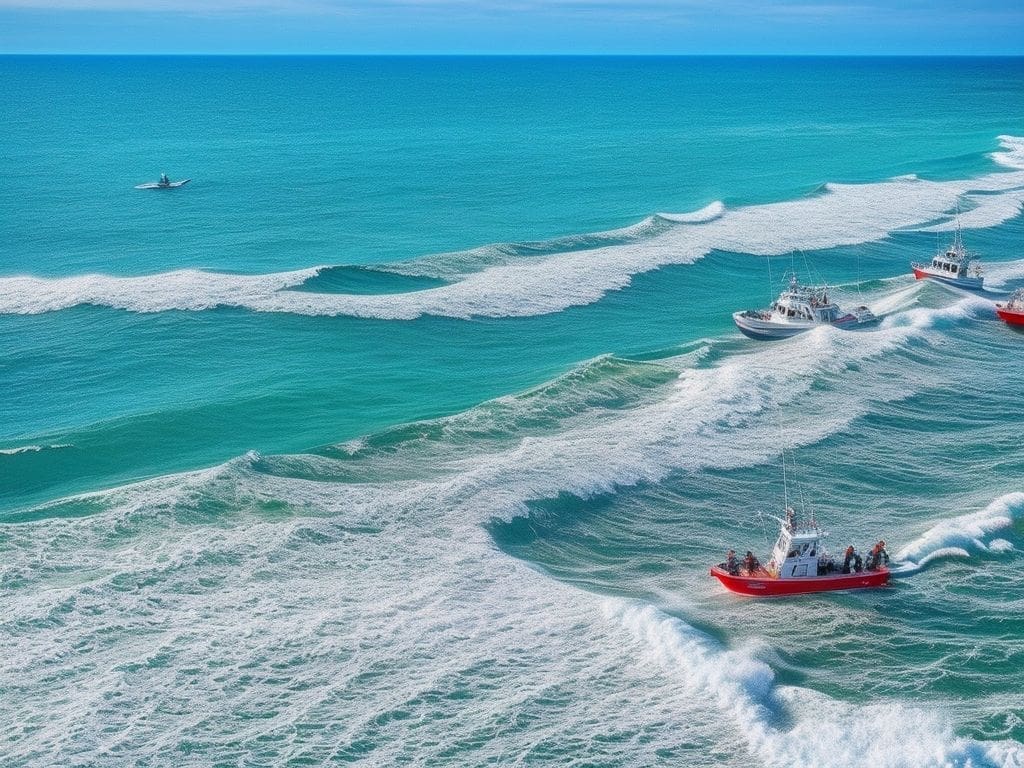
When it comes to fishing, deciding between surf fishing and inshore fishing can be a tricky choice. So, let’s dive into the factors that can help you make the right decision. We’ll consider things like your level of experience, personal preferences, fishing goals, and the fishing locations available to you. By understanding these aspects, you’ll be well-equipped to choose the fishing style that suits you best. So, let’s explore the ins and outs of surf fishing versus inshore fishing!
Considerations for Beginners
When beginners are choosing between surf fishing and inshore fishing, there are several considerations to keep in mind. These include location, equipment, target fish species, accessibility, and skill level.
For beginners interested in surf fishing, it is important to select locations with gentle waves and sandy beaches that facilitate easy casting. Additionally, they should invest in a surf fishing rod and reel combo designed for long-distance casting. It is recommended to target fish species commonly found in surf zones, such as striped bass or redfish. While surf fishing may require more physical effort and skill, it offers an adventurous and rewarding experience.
On the other hand, inshore fishing is generally more beginner-friendly as it takes place in calmer waters near the shore. Beginners can opt for lighter tackle and fishing rods suitable for casting in shallow waters. Inshore fishing provides a greater chance of successful catches due to the variety of fish species available, such as flounder or snook. Furthermore, it is often more accessible, making it an ideal choice for beginners.
By considering these factors, beginners can make informed decisions regarding the type of fishing that best suits their preferences and skill level.
Personal Preferences and Fishing Goals
When it comes to choosing between surf fishing and inshore fishing, personal preferences and fishing goals are essential factors to consider. Take into account the following factors:
- Location: Determine if you prefer the open ocean and long casts (surf fishing) or fishing closer to the shore and around structures like marshes or jetties (inshore fishing).
- Fish Species: Research the types of fish you want to target. Surf fishing may offer larger game fish, while inshore fishing provides a wider variety of species.
- Experience: Evaluate your fishing skills and comfort level in different environments. Inshore fishing is often more accessible and suitable for beginners.
- Goals: Take into consideration what you hope to achieve with your fishing experience, whether it’s the thrill of the hunt or a relaxing day on the water.
Availability of Fishing Locations
When choosing between surf fishing and inshore fishing, the availability of fishing locations is a crucial factor to consider.
- Surf Fishing: Surf fishing locations, where the ocean waves break on the shore, can be found along coastlines. This type of fishing necessitates access to sandy beaches or rocky shores that are equipped for casting lines into the surf.
- Inshore Fishing: Inshore fishing locations, such as bays, estuaries, and marshes, are generally closer to the shoreline. These areas offer sheltered waters and can be accessed by boats, docks, or piers.
True story: I once experienced limited success when I went surf fishing in Cape Cod because of the inadequate availability of fishing locations. However, when I transitioned to inshore fishing in a nearby bay, I discovered an abundance of fish and had a significantly more enjoyable experience. Thus, the availability of fishing locations profoundly impacted my choice.
Some Facts About Surf Fishing vs Inshore Fishing:
- ✅ Surf fishing is done from the beach or shoreline, while inshore fishing is done within a few miles of the shoreline.
- ✅ Inshore fishing can take place in creeks, rivers, harbors, jetties, and intracoastal waterways, while surf fishing is typically done from the surf or beach.
- ✅ Inshore fishing often targets fish like redfish, snook, and trout, while surf fishing offers the opportunity to catch a variety of species such as pompano, whiting, mackerel, bass, and sharks.
- ✅ Surf fishing requires casting out into the surf using specialized surf rods and reels, while inshore fishing can be done with a variety of rod and reel setups.
- ✅ Surf fishing can be more physically demanding due to casting long distances and dealing with rough surf conditions, while inshore fishing is generally more accessible and can be done from piers, boats, or the shoreline.