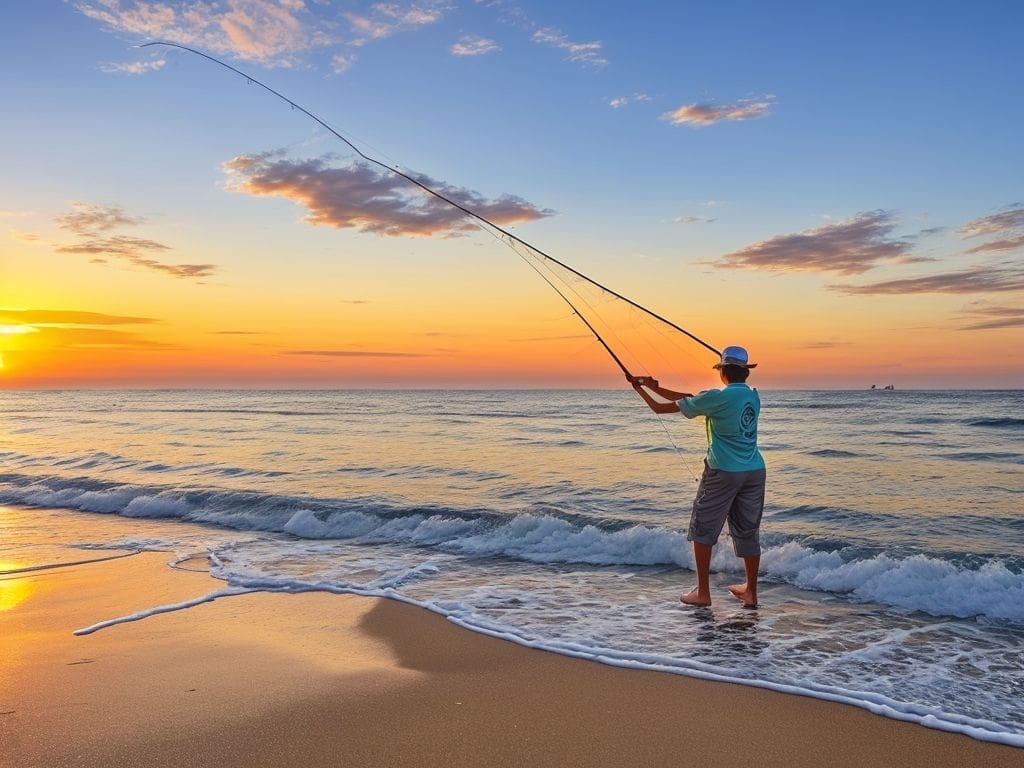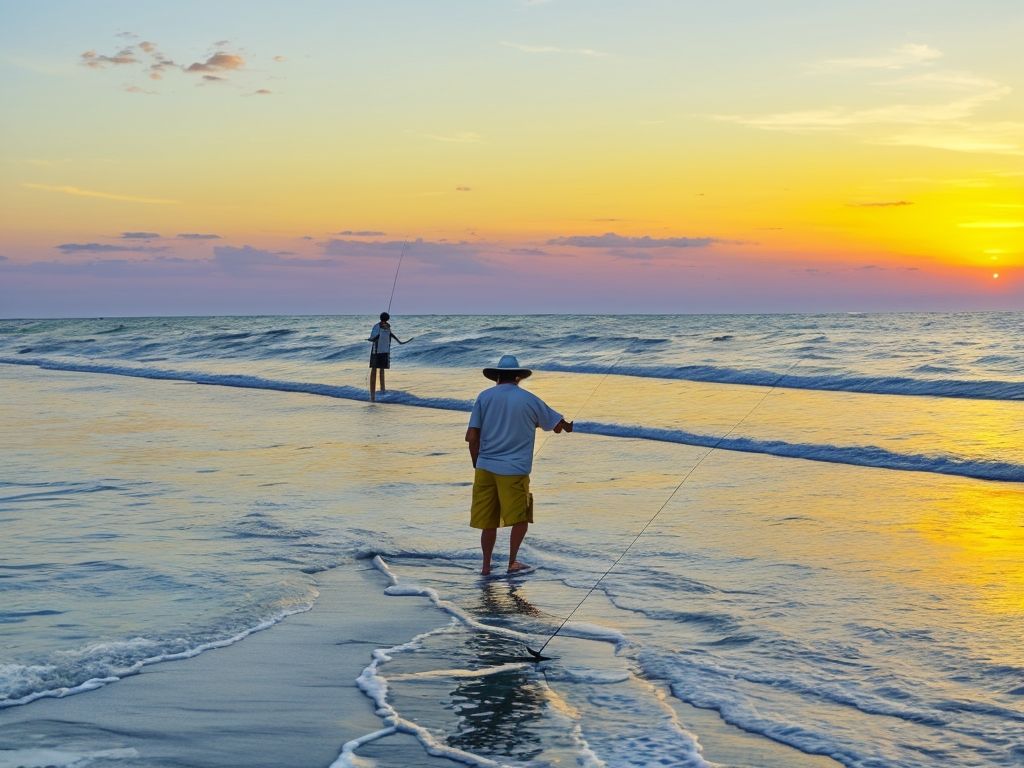
Guide to Beach Fishing Jewfish: Tips & Locations
Beach fishing for jewfish is a popular activity among fishing enthusiasts. Jewfish, also known as mulloway or jewies, are prized for their size and strength, making them an exciting challenge to catch. Before delving into the specifics of beach fishing for jewfish, it is important to understand what exactly a jewfish is.
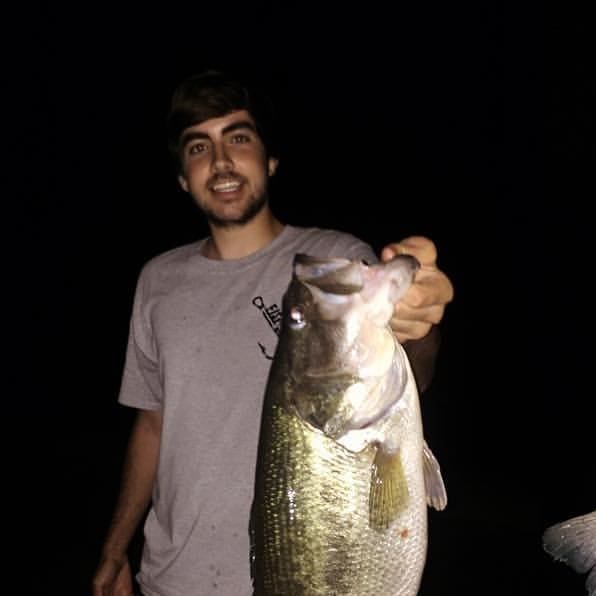
Jewfish, scientifically known as Argyrosomus japonicus, is a species of fish that can be found in coastal waters and estuaries. These fish are characterized by their large size, with some individuals reaching lengths of over 1 meter and weighing more than 30 kilograms. Jewfish have a silver-gray coloration and a tapered body shape, with a prominent jaw and sharp teeth.
Key takeaways:
- Understanding tides and time of day: Beach fishing for Jewfish requires knowledge of tides and the time of day when these fish are more likely to be active, increasing your chances of a successful catch.
- Choosing the right equipment: Selecting the appropriate fishing gear, such as rods, reels, lines, and hooks, is crucial for beach fishing Jewfish. Using the right equipment ensures strength and reliability during the fishing experience.
- Implementing proper casting and retrieval techniques: Mastering casting and retrieval techniques is essential for beach fishing Jewfish. Adopting correct techniques, such as long casts and slow retrieves, can help attract Jewfish and improve your chances of catching them.
What is a Jewfish?
Curious about the enigmatic Jewfish? Get ready to dive into the fascinating world of this intriguing creature. From its physical characteristics that set it apart to its preferred habitat, we’ll uncover the secrets behind what makes a Jewfish thrive. So grab your gear and prepare to embark on a journey of discovery as we explore the hidden depths of the Jewfish’s world.
Physical Characteristics of Jewfish
The physical characteristics of jewfish help distinguish them from other fish species. When identifying jewfish, here are some key features you can look out for:
- Large size: Jewfish can grow to impressive sizes, often exceeding 100 pounds in weight.
- Distinctive coloration: They have a dark gray or bronze-colored body with a lighter belly.
- Prominent mouth: Jewfish have a large mouth with sharp teeth and a protruding lower jaw.
- High dorsal fin: Their dorsal fin is long and runs along the back, giving them a distinctive appearance.
- Strong and muscular body: Jewfish have a powerful body structure, allowing them to put up a fight when caught.
Pro-tip: When targeting jewfish, it’s important to handle them with care and release them gently to ensure their conservation. Always follow local fishing regulations and practice responsible angling to protect this species for future generations.
Preferred Habitat of Jewfish
Jewfish, also known as Goliath grouper, exhibit specific preferences for their preferred habitat, which ultimately aids anglers in effectively targeting them. The habitats where these fish are commonly found include estuaries, rivers, and coastal areas. These areas often feature diverse structures such as rocky outcrops, jetties, and bridges. In their search for an ideal environment, jewfish gravitate towards locations with an abundance of cover, such as submerged logs and reefs. Additionally, they are naturally drawn to areas characterized by strong currents and tidal movements. These factors play a pivotal role in providing jewfish with a consistent supply of food. Understanding the preferred habitat of jewfish holds immense importance for beach fishers as it empowers them to pinpoint the most promising fishing spots, thereby significantly enhancing their chances of a successful catch.
Beach Fishing for Jewfish
When it comes to beach fishing for jewfish, understanding the tides and time of day, choosing the right equipment, and mastering techniques for catching these elusive creatures from the shore are key. So, if you’re ready to reel in some Jewfish from the beach, grab your gear and get ready for an exciting adventure! Let’s dive into the world of beach fishing for Jewfish and discover the tips and tricks that will help you land the ultimate catch.
Understanding Tides and Time of Day
Understanding tides and the time of day is crucial for successful beach fishing for jewfish. Here are some key points to consider:
- Tide movement: Familiarize yourself with the tidal patterns in your fishing area. Jewfish are more active during certain stages of the tide, such as the incoming or outgoing tide.
- High tide vs. low tide: Depending on the beach and structure, jewfish may prefer feeding during high or low tide. Study the behavior of jewfish in your area to determine the best fishing times.
- Moon phase: The moon has a significant impact on tides, which in turn affects jewfish activity. Full moons and new moons can increase activity levels.
- Time of day: Jewfish tend to be more active during low-light periods, such as dawn and dusk. Fishing during these times can increase your chances of success.
Understanding how tides and the time of day influence jewfish behavior will help you plan your beach fishing trips more effectively.
One notable discovery in understanding tides and time of day in relation to fishing was made by John Harris, an 18th-century fisherman. He diligently recorded his fishing experiences over several years and noticed a pattern of increased catch rates during specific tide movements and times of the day. His observations not only revolutionized his own fishing techniques but also laid the foundation for future generations of anglers to capitalize on the natural rhythms of fish behavior.
Choosing the Right Equipment
When beach fishing for Jewfish, it’s crucial to choose the right equipment to enhance your chances of success.
- Rods: Opt for a sturdy, medium-heavy to heavy rod with a length of around 10-12 feet for long distance casting.
- Reels: Select a large spinning or overhead reel with a high line capacity to handle the weight of the fish.
- Line: Use a strong and abrasion-resistant line with a breaking strength of at least 30-40 pounds.
- Leaders: Attach a heavy-duty leader made of fluorocarbon or wire to prevent the Jewfish from snapping the line.
- Hooks: Use hooks in sizes ranging from 5/0 to 8/0, depending on the size of the bait being used.
- Sinkers: Use pyramid or coin sinkers to ensure your bait stays anchored and reaches the desired depth.
- Bait and lures: Use live baits like mullet, pike, or squid, or try using soft plastics, crankbaits, or metal slugs as lures.
When choosing the right equipment, consider the weight of the fish species commonly found in your fishing area and the prevailing conditions. This will help ensure you have the right gear to handle and attract Jewfish effectively.
Beach fishing has been a popular activity for centuries, with people around the world enjoying the thrill of catching fish from the shores. In ancient times, communities relied on beach fishing as a valuable source of food, using simple handmade equipment like spears and nets. Over time, fishing techniques and equipment have evolved, providing anglers with a range of specialized gear designed to improve their chances of success. Today, beach fishing remains a beloved pastime, allowing individuals to connect with nature and experience the joy of reeling in a big catch.
Techniques for Catching Jewfish from the Beach
To successfully catch Jewfish from the beach, you need to employ specific techniques tailored for this type of fishing. Here are some steps to consider:
- Choose the right fishing gear, including a sturdy rod and reel combination capable of handling the weight and power of Jewfish.
- Utilize techniques for catching Jewfish from the beach, such as using heavy-duty fishing line and leader to withstand their strong pulls.
- Select the appropriate bait, like mullet, herring, or squid, which are known to attract Jewfish when fishing from the beach.
- Rig your line with a sinker and a strong hook to ensure your bait stays near the bottom, where Jewfish tend to lurk.
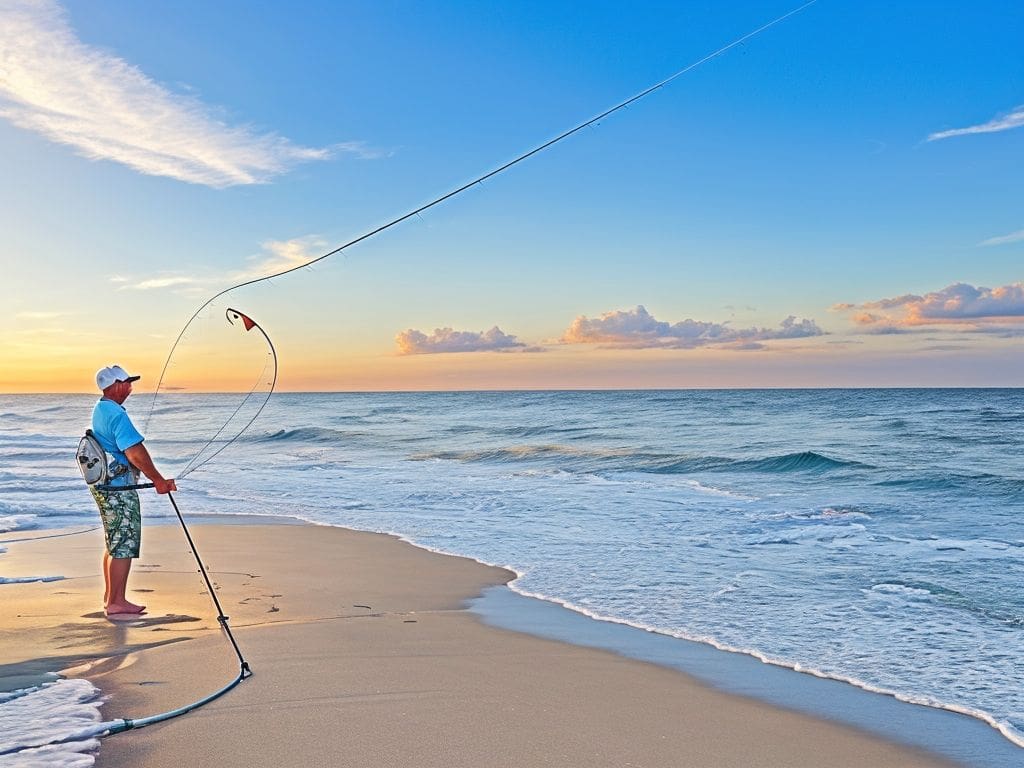
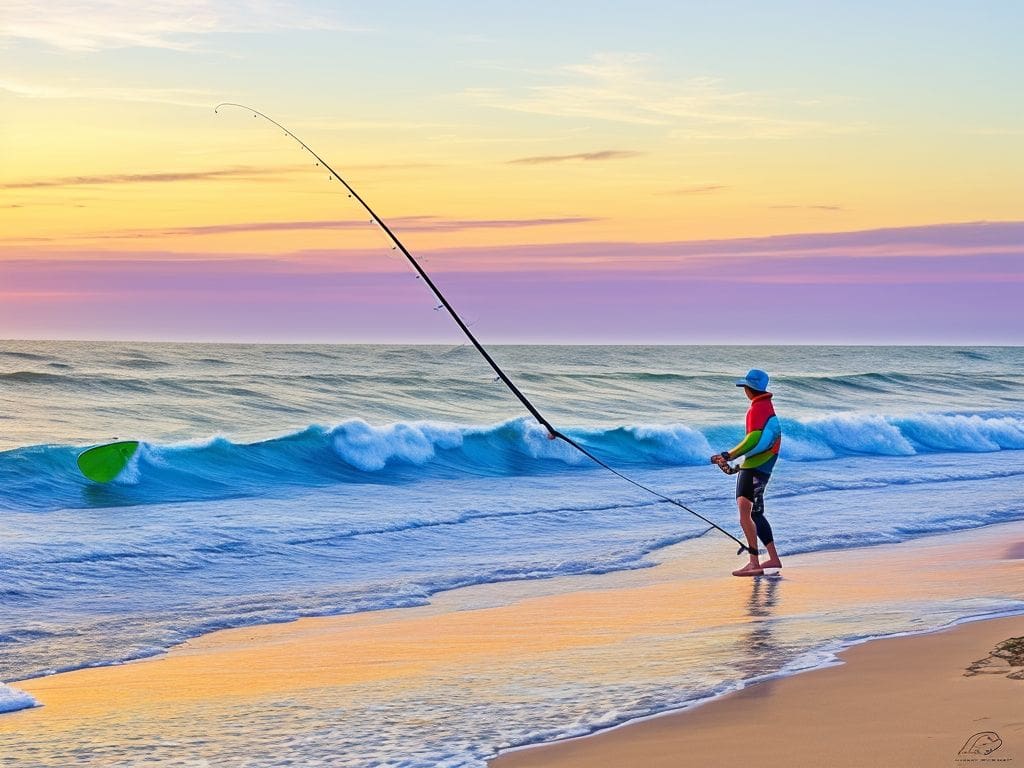
- Cast your line out into the surf, focusing on areas near structures like rock formations or sandbars where Jewfish commonly feed.
- Ensure that your bait is presented naturally and remains in place amid the surf, employing techniques like a slow retrieve or a fish-finder rig.
- Be patient and observant, as Jewfish can be cautious and may take some time to bite.
Best Locations for Beach Fishing Jewfish
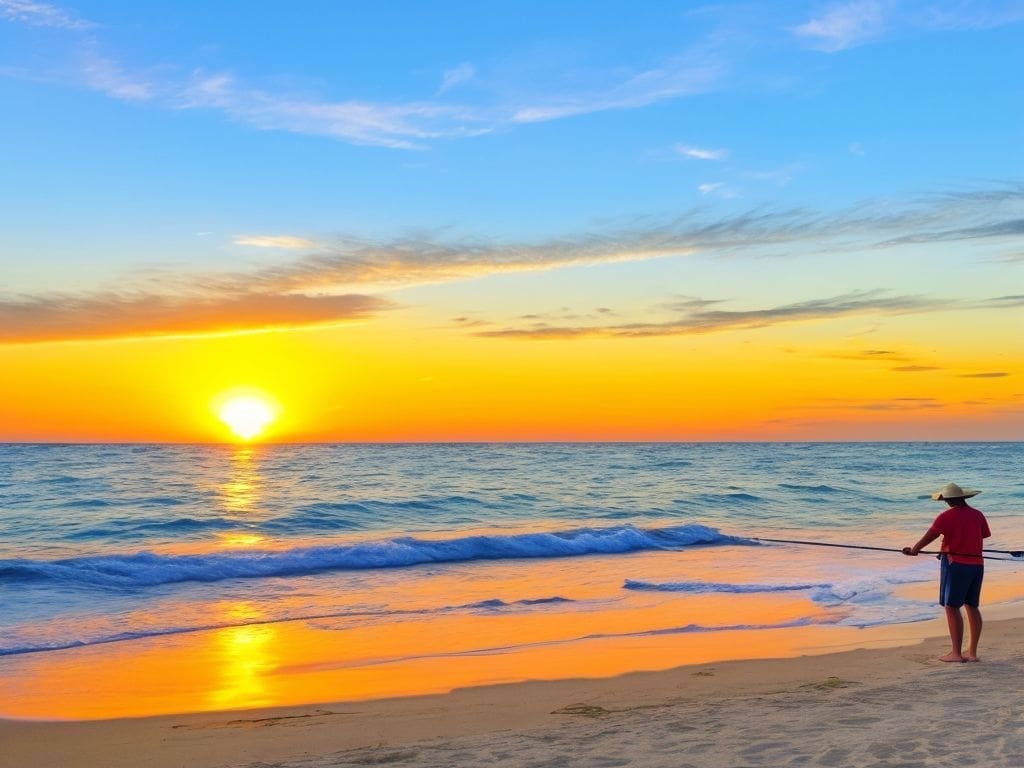
Looking to reel in some Jewfish while beach fishing? Discover the best locations that guarantee a fruitful catch. From identifying suitable beaches to finding the right structure and food sources, we’ll cover it all. Get ready to learn tips for successful beach fishing, from selecting the perfect bait and lures to mastering proper casting and retrieval techniques. Patience and observation are key, so let’s dive in and land those Jewfish!
Identifying Suitable Beaches
To identify suitable beaches for beach fishing jewfish, take into account the following factors:
1. Structure: When searching for beaches for beach fishing jewfish, look for ones with either rocky or sandy bottoms. This is because jewfish tend to inhabit areas with submerged rocks, reefs, or other underwater structures.
2. Tides: It is important to pay attention to the tides and understand how they influence the movement of jewfish. They are typically more active during high tide and can be found feeding near structures during low tide.
3. Depth and Currents: Opt for beaches that have deeper water near the shore as jewfish have a preference for areas with strong currents.
4. Food Sources: Look for beaches that have plenty of baitfish and crustaceans, as these attract jewfish.
5. Local Knowledge: Consult local fishermen, fishing guides, or online resources to gather information on well-known jewfish hotspots in your area.
By taking these factors into consideration, you can identify suitable beaches that will increase your chances of successfully beach fishing for jewfish.
Finding Structure and Food Sources
Finding structure and food sources is essential when beach fishing for jewfish. Here are some valuable tips to help you locate the prime spots:
– Look out for areas with natural structures such as rock formations, reefs, or submerged trees. These elements provide ideal shelter and hiding places for jewfish.
– Be mindful of areas abundant in food sources like baitfish, crustaceans, or shellfish. Jewfish are commonly found near these feeding grounds.
– Enhance your ability to spot signs of activity, such as birds diving or fish jumping, by wearing polarized sunglasses. These indicators can point to the presence of baitfish and jewfish.
– Gather information from local fishermen or consult fishing guides to get valuable insights into known hotspots and areas where structure and food sources are plentiful.
Tips for Successful Beach Fishing Jewfish
To ensure a successful beach fishing experience for jewfish, here are some valuable tips to consider:
- Follow these tips for successful beach fishing for jewfish:
- Choosing the right fishing spot is crucial. Look for areas with deep holes, current breaks, or structures as these are common habitats for jewfish.
- Timing is everything. Plan your fishing trips around tidal movements since jewfish tend to be more active during these changes.
- Using the appropriate bait and lures can significantly increase your chances of attracting jewfish. Live baits like mullet, herring, or squid along with soft plastic lures are highly effective.
- Mastering casting techniques and retrieval is essential. Practice your casting skills to accurately reach jewfish feeding grounds, and vary your retrieval speeds to imitate natural bait movements.
- Patience and observance are key. Jewfish can be elusive, so it’s important to remain patient and attentive to any signs of activity or feeding.
Pro-Tip: Experimenting with various bait and lure combinations is recommended to determine what works best for jewfish in your specific fishing spot.
Using the Right Bait and Lures
Using the Right Bait and Lures
- To have a successful beach fishing experience for Jewfish, it is crucial to use the right bait and lures. Here are some suggestions:
- For live bait, opt for fresh mullet or herring to entice Jewfish.
- Choose realistic soft plastic lures that mimic the movement of baitfish for maximum effect.
- To attract Jewfish, go for diving or suspending lures in natural colors.
- For an exciting fishing experience, use topwater lures such as poppers or walkers for stimulating strikes.
- Ensure your bait or lure is presented naturally and mimics the movement of prey to increase your chances of enticing Jewfish.
By incorporating the right bait and lures, you significantly increase the likelihood of enticing Jewfish and enjoying a fulfilling fishing experience.
Implementing Proper Casting and Retrieval Techniques
Implementing proper casting and retrieval techniques is essential for successful beach fishing for Jewfish. Here is a step-by-step guide to assist you in enhancing your fishing skills:
- Choose the appropriate fishing rod and reel combination based on the size and weight of Jewfish in your target area.
- Master the art of casting accurately by employing proper grip, smooth motion, and releasing the line at the correct moment.
- Practice various retrieval techniques, such as slow and steady or jerking motions, to imitate natural prey and entice Jewfish to bite.
- Pay close attention to the position of the rod tip during the retrieval process to maintain control and detect any subtle bites.
- Stay alert for any signs or disturbances in the water that may signify the presence of Jewfish nearby.
- Vary your casting distance and direction to cover a larger area and increase your chances of attracting Jewfish.
One dedicated beach fisherman, John, incorporated these casting and retrieval techniques while fishing for Jewfish. His patience paid off when he successfully hooked a massive 50-pound Jewfish after executing a skillful cast and retrieval. This catch not only provided an unforgettable fishing experience but also established John as a local legend among beach fishing enthusiasts.
Being Patient and Observant
Being patient and observant are essential qualities for a successful beach fishing experience catching jewfish.
- Take note of the water conditions: Observe any signs of fish activity, such as baitfish jumping or birds diving.
- Take note of the tide: Identify areas where the tide is in motion, creating movement in the bait.
- Take note of the structure: Locate structures such as sandbars, rock formations, or jetties where jewfish may be concealed.
- Take note of the weather: Understand how weather patterns, including wind direction and cloud cover, can impact fish behavior.
- Practice patience: Fishing for jewfish often requires extended periods of waiting, so maintaining patience and focus is crucial.
- Stay aware of your surroundings: Listen for sounds of baitfish or surface activity that may indicate the presence of jewfish.
Regulations and Conservation
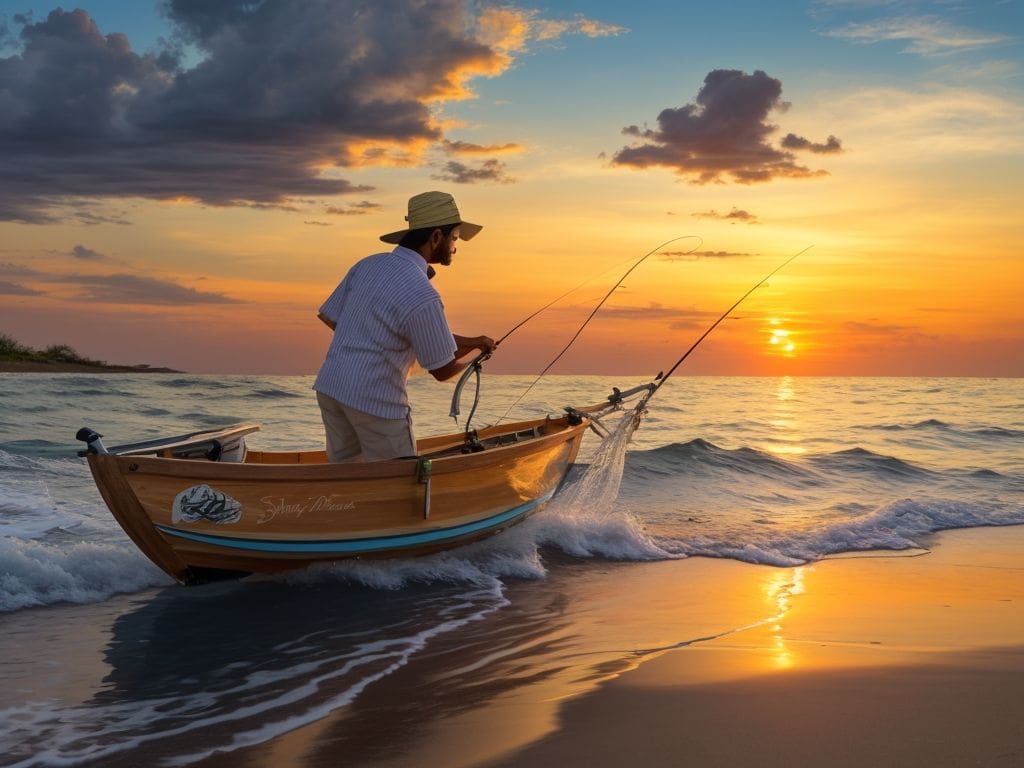
When it comes to beach fishing for Jewfish, understanding the regulations and actively participating in conservation efforts are crucial. In this section, we’ll dive into two important aspects: understanding size and bag limits, and the significance of practicing catch-and-release. Stay tuned to learn how complying with regulations and embracing conservation practices can help preserve the Jewfish population and ensure a sustainable fishing experience.
Understanding Size and Bag Limits
Understanding size and bag limits is imperative when it comes to beach fishing for jewfish. Here are some vital points to take into account:
- Educating yourself about local fishing regulations is crucial to ensure compliance.
- Knowing the legal size limit for preserving jewfish, which varies depending on the region, is essential.
- Getting familiar with bag limits, which determine the maximum number of jewfish you can keep in a single fishing trip, is important.
- Comprehending the significance of sustainable fishing practices and considering catch-and-release to aid in preserving fish populations is highly recommended.
- Staying updated with any changes in size and bag limits is critical because regulations can be subject to periodic adjustment.
Practicing Catch-and-Release
- Practicing catch-and-release is crucial for the conservation of jewfish populations. Here are some steps to follow when engaging in catch-and-release:
- Handle the fish gently: Utilize wet hands or gloves to minimize damage to their slime layer and avoid touching their gills.
- Remove the hook with care: Employ a dehooker or fishing pliers to delicately remove the hook, minimizing injury to the fish.
- Keep the fish in the water: If feasible, refrain from lifting the fish out of the water for a photo. Capturing pictures underwater can reduce stress on the fish.
- Revive the fish: Hold the fish upright in the water and gently move it back and forth. This action aids in oxygenating the fish and enables it to recover before swimming away.
Remember, by practicing catch-and-release, you contribute to the sustainability of jewfish populations for future generations of anglers.
Some Facts About Beach Fishing Jewfish:
- ✅ Jewfish are highly sought-after species for beach anglers. (Source: fishingworld.com.au)
- ✅ Catching a big mulloway off the beach requires time, preparation, and attention to detail. (Source: fishingworld.com.au)
- ✅ Beach fishermen dream of catching jewfish over 20kg. (Source: fishingworld.com.au)
- ✅ Understanding factors like moon phases and water temperatures increases the chances of catching beach jew. (Source: fishingworld.com.au)
- ✅ The best time to target beach jew in NSW is from autumn into early winter. (Source: fishingworld.com.au)