Beach Fishing Essentials: Gear List & Guide
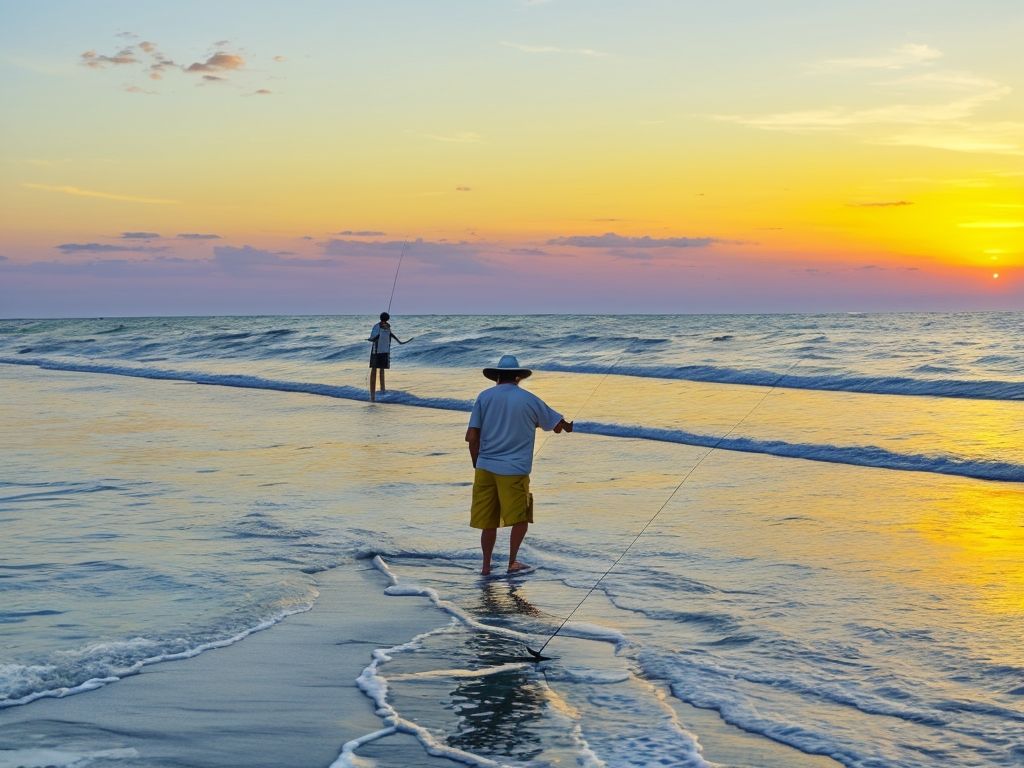
Beach fishing is a popular activity for both experienced anglers and beginners. The beach provides an excellent opportunity to relax, enjoy nature, and catch some fish. However, having the right gear is essential to maximize your fishing experience. In this article, we will discuss the essential gear for beach fishing, offer tips for choosing the right gear, explain how to set up your gear, explore different beach fishing techniques and strategies, provide best practices and safety tips, and discuss the best beach fishing locations and seasonality.
Key takeaway:
- Choosing the right gear: Essential beach fishing gear includes a rod and reel, fishing line, tackle, bait and lures, and fishing accessories.
- Setting up for success: Properly setting up your gear for beach fishing is crucial for maximizing your chances of success. Understanding the different techniques and strategies, such as surf casting, bottom fishing, and beach fly fishing, can greatly enhance your fishing experience.
- Best practices and safety: Familiarize yourself with best practices and safety tips for beach fishing to ensure a safe and enjoyable experience. Consider factors such as beach fishing locations, seasonal variations, and fish migration patterns to optimize your fishing trips.
What Are the Essential Gear for Beach Fishing?
When it comes to beach fishing, having the right gear is crucial for a successful angling experience. In this section, we’ll dive into the essentials you need to pack in your tackle box. From reliable rods and reels to quality fishing lines, tackle, bait, lures, and a range of helpful accessories, we’ve got you covered. So let’s gear up and explore the must-haves for beach fishing adventures!
Rod and Reel
When it comes to beach fishing, selecting the right rod and reel is crucial for a successful fishing experience. Here are some important factors to consider:
1. Type of Rod: Choose a rod and reel combination that is suitable for beach fishing, such as a surf rod or telescopic rod with a spinning reel.
2. Length and Power: Opt for a longer rod (around 9 to 12 feet) as it allows for longer casts and better control. Consider the power of the rod based on the target species and the conditions of the beach.
3. Reel Type: Spinning reels are commonly used for beach fishing due to their versatility and ease of use. Pair your chosen rod with a spinning reel for optimal performance.
4. Capacity and Gear Ratio: Select a reel with a sufficient line capacity and a suitable gear ratio for the type of fishing you plan to do. An appropriate reel will ensure smooth casting and retrieval.
5. Material and Durability: Look for rods and reels made from durable materials that can withstand the corrosive effects of saltwater. This will help extend the lifespan of your fishing equipment.
By considering these factors, you can choose the right rod and reel combination that will enhance your beach fishing experience.
Fishing Line
When it comes to beach fishing, choosing the right fishing line is crucial. Here are some important factors to consider when selecting a fishing line:
- Strength: The strength of the fishing line is essential to handle the weight of your target fish species. Look for a fishing line with high tensile strength.
- Diameter: The diameter of the fishing line plays a role in its visibility in the water. Thinner lines are less visible but might sacrifice strength.
- Material: Fishing lines come in various materials such as monofilament, fluorocarbon, and braided lines. Each material has unique advantages and disadvantages.
- Stretch: It is important to consider the stretchability of the fishing line. A line with more stretch can absorb shocks and prevent line breakage.
- Durability: Opt for a fishing line that is resistant to abrasion, UV rays, and saltwater corrosion to ensure it lasts longer.
Did you know that the first fishing lines were made of natural materials such as plant fibers and animal tendons? Ancient Egyptians used lines made from silk, while others utilized horsehair or catgut. However, it wasn’t until the mid-20th century that synthetic materials like nylon revolutionized fishing lines, offering improved strength and durability. Today, fishing lines continue to evolve, with advancements in materials and technology enhancing their performance on the water.
Fishing Tackle
When it comes to beach fishing, having the right fishing tackle is essential for success. Here are the key pieces of fishing tackle to consider:
- Rod and Reel: Choose a rod and reel combo that suits the type of fish you are targeting and the fishing conditions.
- Fishing Line: Select a strong and durable fishing line that matches the rod and reel specifications and can handle the weight of the fish you are targeting.
- This includes hooks, sinkers, swivels, and other accessories needed to rig your fishing line and attract fish.
- Bait and Lures: Depending on the type of fish you are targeting, choose bait or lures that are known to be successful in beach fishing.
- Fishing Accessories: These can include items like a fishing tackle box, fishing pliers, a fishing net, and a fish grip to assist with landing and handling fish.
Bait and Lures
Choosing the right bait and lures is crucial for achieving success in beach fishing. Take into account the following options for various fish species:
| Preferred Bait | Targeted Fish Species |
| Shrimp | Snapper, Pompano |
| Sand Fleas | Redfish, Whiting |
| Mullet | Bluefish, Striped Bass |
| Crabs | Black Drum, Sheepshead |
Lures like spoons and jigs can effectively attract predatory fish such as Spanish mackerel and tarpon.
Pro Tip: When making your bait or lure selection, carefully consider the specific fish species you are targeting and match the bait or lure to their natural prey. This strategic approach will significantly enhance your chances of achieving a bountiful catch.
Fishing Accessories
When planning a beach fishing trip, it’s important to have all the necessary fishing accessories. These items can make your experience more enjoyable and successful. Here’s a list of must-have gear:
- Tackle box: A tackle box is essential for keeping your hooks, weights, and other small gear organized and easily accessible.
- Bait bucket: Carry a bait bucket to bring live or frozen bait, which can attract fish more effectively.
- Fishing pliers: Having a pair of fishing pliers is highly useful for removing hooks and cutting lines effortlessly.
- Rod holders: It’s important to have rod holders to keep your rods secure while waiting for a bite. This allows you to relax and enjoy the surroundings.
- Fishing hat: A good fishing hat is crucial to protect yourself from the sun’s rays and stay comfortable throughout the day.
Let me share a true story from my own beach fishing experience. Once, while fishing with my friends, I forgot to bring my fishing pliers. Luckily, a nearby angler had an extra pair. Not only did it save my fishing trip, but it also led to a friendly conversation where we exchanged tips and stories. This encounter reminded me of the camaraderie found among beach anglers, making the whole experience even more enjoyable.
Tips for Choosing the Right Beach Fishing Gear

Tips for Choosing the Right Beach Fishing Gear
When it comes to choosing the right beach fishing gear, there are a few key considerations to keep in mind. Here are some tips to help you make the best choice:
- Know the type of fish you’ll be targeting to determine the appropriate rod and reel.
- Consider the weight and sensitivity of the rod for optimal casting and control.
- Choose a reel with a good line capacity and a smooth drag system.
- Look for a sturdy and comfortable fishing chair or surf cart to keep you comfortable during long fishing sessions.
- Don’t forget to invest in high-quality fishing line, tackle, and bait for a successful day on the beach.
Pro-tip: Before heading to the beach, check the local regulations and restrictions to ensure you are using the right gear and following the rules.
How to Set Up Your Gear for Beach Fishing?
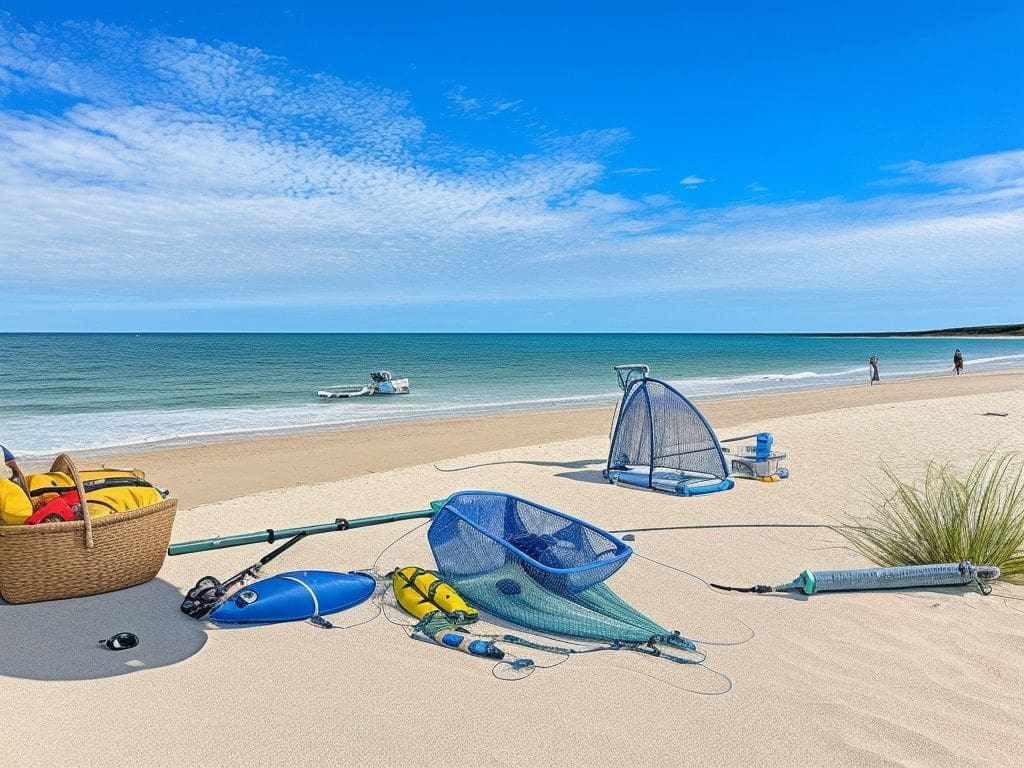
Are you wondering how to set up your gear for beach fishing? Well, here are the steps to follow:
- Choose the right fishing rod and reel combo based on the size and species of fish you’re targeting.
- Attach a strong fishing line to the reel, ensuring it can withstand the weight and strength of your target fish.
- Select the appropriate fishing hooks and bait, considering the type of fish you want to catch.
- Add weights to your fishing line to help your bait sink to the desired depth.
- Attach a swivel to the end of your line to prevent it from twisting.
- Connect a leader line to the swivel, which helps prevent fish from breaking your main line.
- Attach your chosen fishing rig, such as a bottom rig or a fish finder rig, to the end of the leader line.
- Bait your hook with the selected bait and cast your line into the water.
Beach Fishing Techniques and Strategies
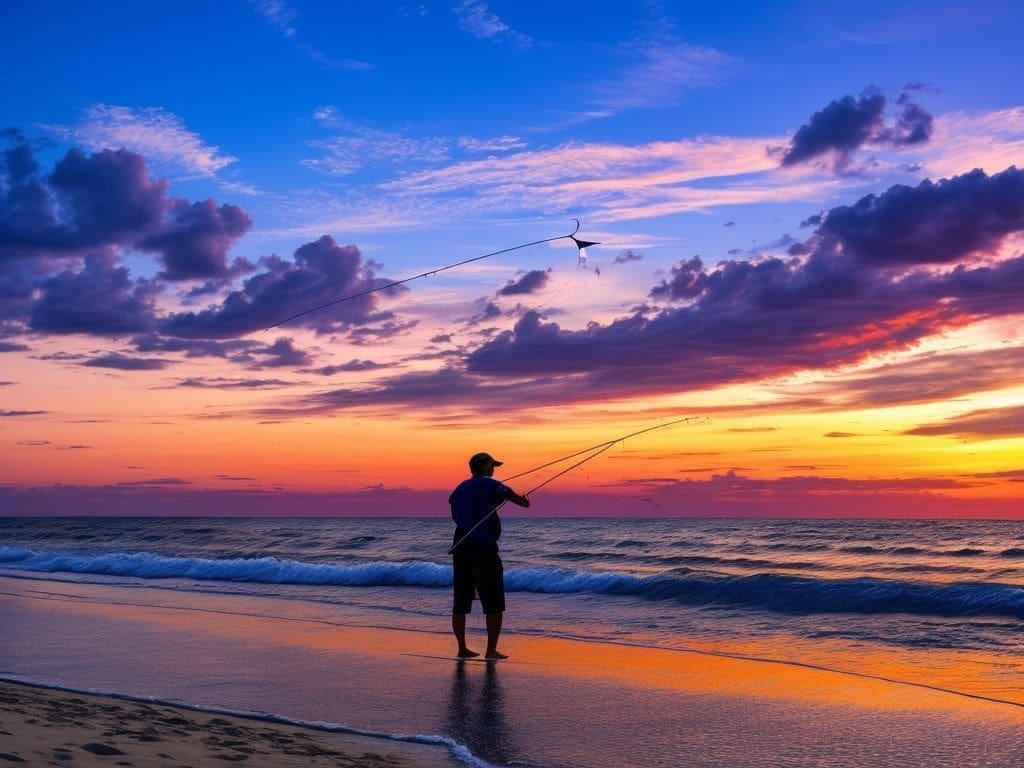
Want to take your beach fishing game to the next level? In this section, we’ll dive into the art of beach fishing techniques and strategies. Whether you’re into surf casting, bottom fishing, or beach fly fishing, we’ve got you covered. From casting precision to bait selection, we’ll uncover the tips and tricks that will maximize your chances of a great catch. So grab your gear, and get ready to reel in the big ones with these tried and tested techniques!
Surf Casting
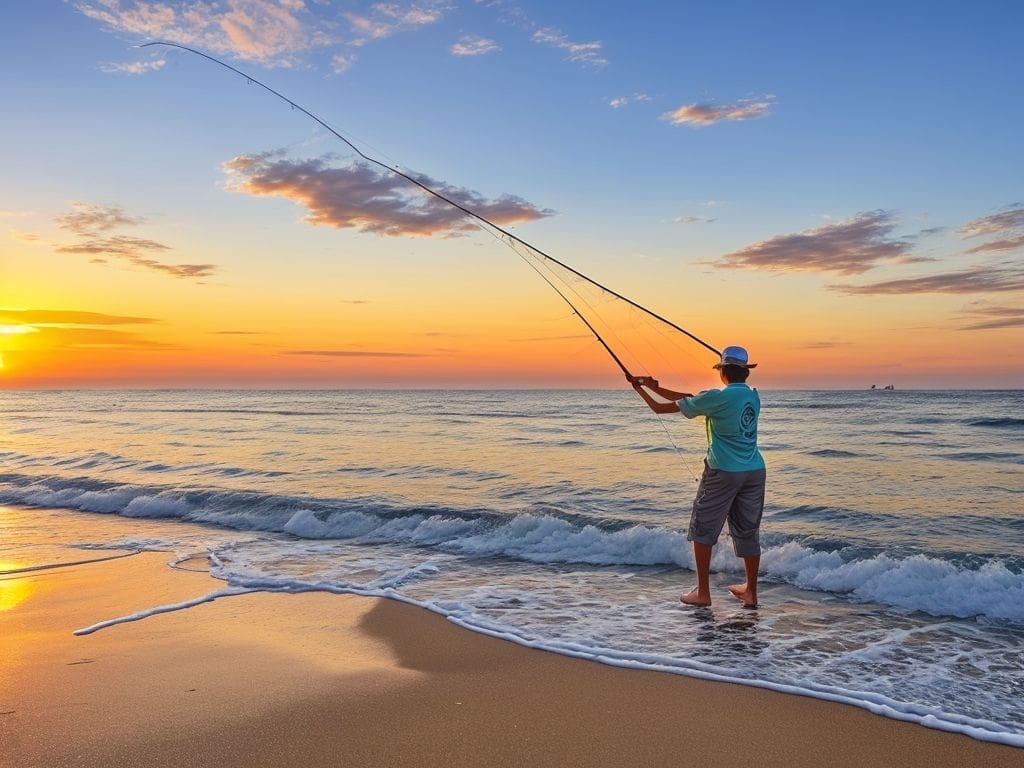
Surf casting, also known as beach fishing, is a highly popular technique that involves casting a fishing line into the ocean from the shore. To ensure optimal performance in this type of fishing, it is important to have the right gear. Surf casting requires specific equipment and accessories designed for long-distance casting and the ability to handle the unique challenges of fishing in the surf.
One essential piece of gear for surf casting is a long and sturdy fishing rod, typically ranging from 10 to 14 feet in length. This provides the necessary leverage and strength to cast the line far into the water. Coupled with a spinning or baitcasting reel specifically designed for long-distance casting, this combination allows for accurate and controlled casts.
Choosing the right fishing line is crucial in surf casting. It is recommended to opt for a strong and abrasion-resistant line with a high pound test rating. This ensures it can withstand the force of casting as well as potential encounters with larger fish.
To achieve the desired casting distance and to keep the bait closer to the bottom where fish are feeding, the use of sinkers or weights is essential. These fishing tackle accessories provide the necessary weight to propel the line further into the water and keep it in the desired zone.
Selecting the appropriate bait and lures is also important when surf casting. Using bait or lures that are effective in attracting fish in the surf is key. Examples of effective options include sand fleas, shrimp, or artificial lures such as spoons or bucktails.
Carrying a tackle box with essential fishing accessories is highly recommended while surf casting. This allows for easy access to extra hooks, swivels, and other small tools that may be needed for adjustments or repairs during the fishing session.
Bottom Fishing
Bottom fishing is a popular technique used in beach fishing to target fish species that inhabit the bottom of the ocean. Here are some tips for successful bottom fishing:
- Choose the right rig: Use a bottom fishing rig specifically designed for bottom fishing. This rig should include a sinker, leader line, and hook. The sinker is essential as it keeps your bait on the ocean floor, while the leader line helps conceal the mainline, so the fish can’t detect it.
- Select the right bait: When bottom fishing, it’s crucial to use the appropriate bait that will attract bottom-dwelling fish species. Natural bait such as shrimp, squid, or cut bait works best. Be sure to have fresh bait that is securely hooked onto the rig.
- Find the right spot: To increase your chances of success in bottom fishing, search for areas teeming with structure, such as reefs, rocks, or sandbars. These locations provide hiding places where bottom-dwelling fish frequently gather.
- Use a slow retrieve: To mimic the natural movement of prey, drop your rig to the bottom and reel in slowly. This technique entices bottom-dwelling fish to strike the bait.
- Be patient: Patience is essential in bottom fishing because fish often take their time to investigate the bait. Allow them enough time to bite before setting the hook to increase your chances of a successful catch.
By following these tips, you can enhance your chances of success in bottom fishing. Remember to always check local fishing regulations and practice responsible angling. Happy fishing!
Beach Fly Fishing
When it comes to beach fly fishing, it is a popular technique to consider. By using lightweight flies made to resemble insects or baitfish, anglers can attract a variety of fish species in coastal waters. Here’s what you need to know about beach fly fishing:
- – Equipment: A lightweight fly fishing rod and reel combo is essential for casting the flies accurately and effectively.
- – Flies: Choose flies that imitate the local baitfish or insects to entice the fish.
- – Technique: Aiming for tidal zones, cast the fly into the surf and retrieve it slowly, mimicking the movement of prey.
- – Species: Different species may be targeted depending on the location, including striped bass, bluefish, and snook.
- – Safety: Stay aware of your surroundings and select appropriate gear to ensure a safe and enjoyable beach fly fishing experience.
Best Practices and Safety Tips for Beach Fishing
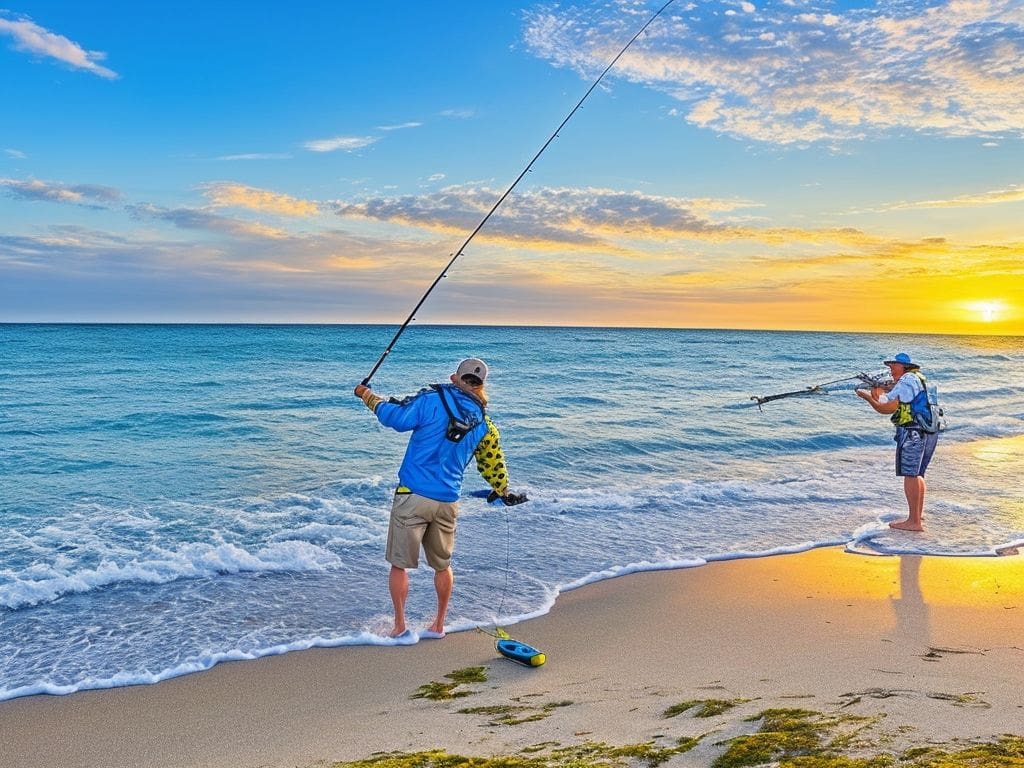
When engaging in beach fishing, it is crucial to prioritize safety and follow the best practices. To ensure a successful and enjoyable experience of beach fishing, here are some safety tips and best practices to consider:
– Research and understand the local fishing regulations and restrictions to avoid any legal issues.
– Before heading out to the beach, always check the weather conditions for your safety.
– It is essential to wear appropriate protective gear like a hat, sunscreen, and sunglasses to shield yourself from the sun.
– Use reliable and sturdy fishing equipment that is suitable for beach fishing to enhance your fishing experience.
– Stay aware of your surroundings and be cautious of potential hazards such as strong currents or incoming tides.
– Respect other beachgoers’ space and safety by keeping a safe distance and never casting your line where people are swimming or sunbathing.
– After fishing, make sure to properly dispose of any fishing waste and avoid leaving behind any litter to preserve the beauty of the beach.
– Don’t forget to stay hydrated throughout your fishing trip by bringing enough water and snacks for the duration.
By following these best practices and safety tips for beach fishing, you can have a fantastic and secure experience.
Beach Fishing Locations and Seasonality
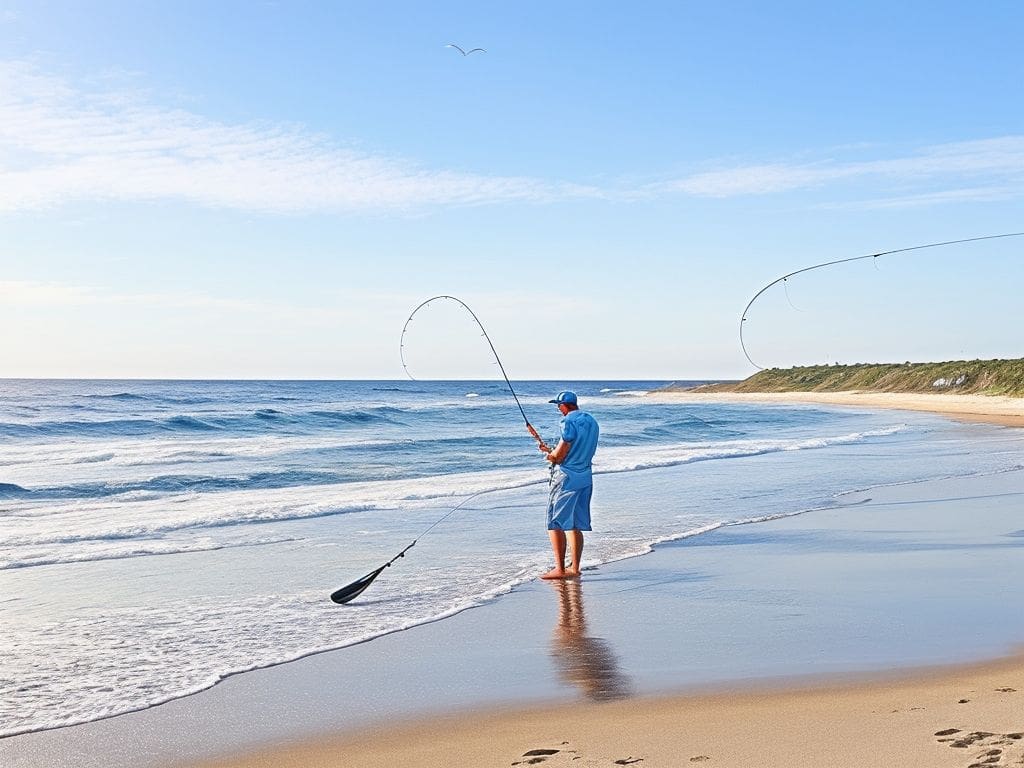
Looking for the best fishing spots by the beach? Look no further! In this section, we’ll explore the exciting world of beach fishing locations and seasonality. Discover the top spots where the big catches are waiting, and uncover the seasonal variations and fish migration patterns that can enhance your angling adventures. Get ready to cast your line and reel in the thrill of beach fishing like never before!
Best Beach Fishing Spots
When it comes to beach fishing, the selection of the perfect fishing spot can have a significant impact on your success. Here are some of the most exceptional beach fishing spots that you should take into consideration:
- The Outer Banks, North Carolina: Renowned for its extensive sandy beaches and diverse species of fish.
- Montauk, New York: A favored destination, especially during the fall migration, for catching striped bass.
- Galveston, Texas: Provides opportunities to catch various fish species, including redfish and speckled trout.
- San Diego, California: Famous for its abundant fish population, offering both surf casting and pier fishing experiences.
- Hatteras Island, North Carolina: An excellent choice for surf fishing enthusiasts, with the possibility of catching red drum and bluefish.
In addition to these remarkable spots, there are numerous other fantastic beach fishing destinations throughout the country. Conducting research on local fishing regulations and seeking advice from local anglers can assist you in finding the ideal spot for your next beach fishing adventure. So prepare your gear and head towards one of these top beach fishing spots to create unforgettable fishing memories.
Seasonal Variations and Fish Migration Patterns
Understanding Seasonal Variations and Fish Migration Patterns is crucial for successful beach fishing. These patterns help anglers identify the best times and locations to catch specific fish species. The provided table highlights important information about seasonal variations and fish migration patterns:
| Season | Fish Migration Patterns | Popular Fish Species |
| Spring | Many fish species migrate from deep waters to shallower areas for spawning. | Striped bass, bluefish, flounder |
| Summer | Fish species like Spanish mackerel and pompano migrate along the coast, following warmer water and prey. | Spanish mackerel, pompano, red drum |
| Fall | Fish species migrate back to deeper waters as water temperatures begin to cool. | Redfish, black drum, sheepshead |
| Winter | Certain cold-water species like winter flounder and codfish migrate to the coast for spawning. | Winter flounder, codfish, trout |
By understanding these essential Seasonal Variations and Fish Migration Patterns, anglers can plan their beach fishing trips accordingly and improve their chances of a successful catch.
Some Facts About Beach Fishing Essentials Gear List & Guide:
- ✅ Surf fishing is a fun and affordable family activity that can be enjoyed at any time of year. (Source: Our Team)
- ✅ You can start beach fishing with basic spinning tackle that you already have. (Source: Our Team)
- ✅ Floridians can use a basic spinning outfit, a pyramid sinker, and a hook with a leader for beach fishing. (Source: Our Team)
- ✅ To fish in Florida, residents need a free shoreline license from the Florida Fish and Wildlife Commission. (Source: Our Team)
- ✅ Rod holders and a fish ruler are recommended gear for beach fishing to keep your rod safe and measure the fish you catch. (Source: Our Team)