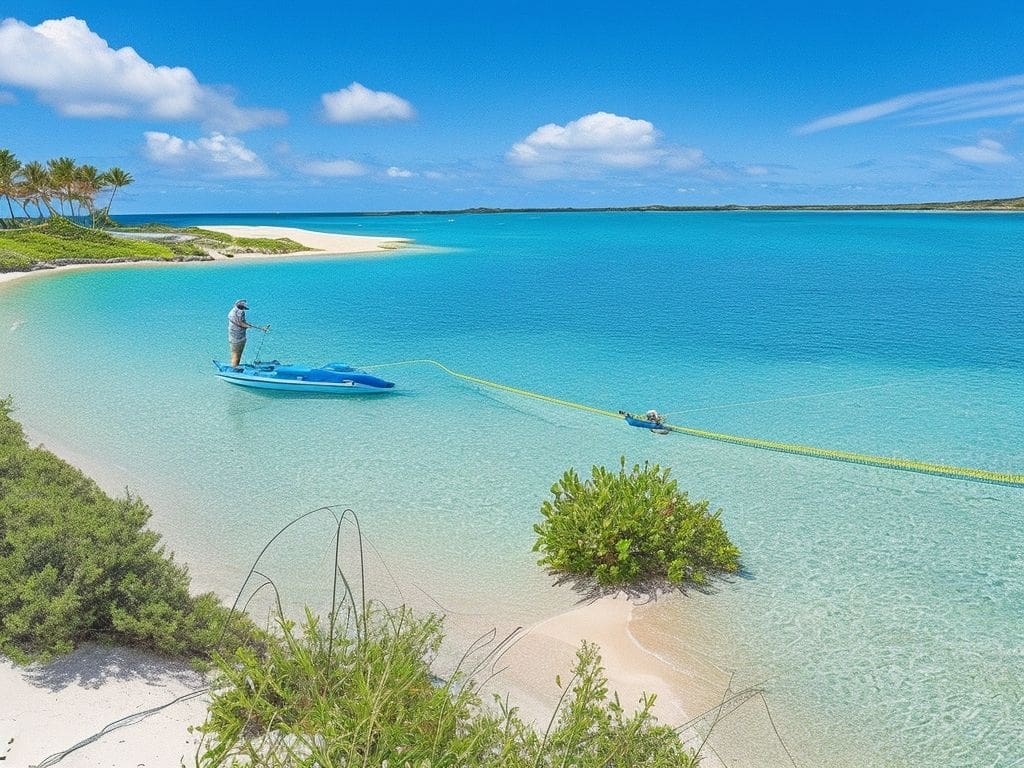
Beach Fishing: Braid vs. Mono for Optimal Catch
Beach fishing is a popular recreational activity that requires careful consideration of various factors, including the choice of fishing line. When it comes to beach fishing, two commonly used types of fishing lines are braid and monofilament (mono). Understanding the characteristics and differences between these lines is crucial in determining which one is most suitable for your beach fishing needs.
Key takeaways:
- Braid fishing line offers increased sensitivity and casting distance, making it a favorable choice for beach fishing in certain conditions.
- Mono fishing line has better knot strength and abrasion resistance, making it more suitable for rough beach conditions.
- Choosing between braid and mono for beach fishing depends on factors such as fishing conditions, target species, casting distance, sensitivity, knot strength, abrasion resistance, cost, and durability.
Understanding Fishing Lines: Braid and Mono
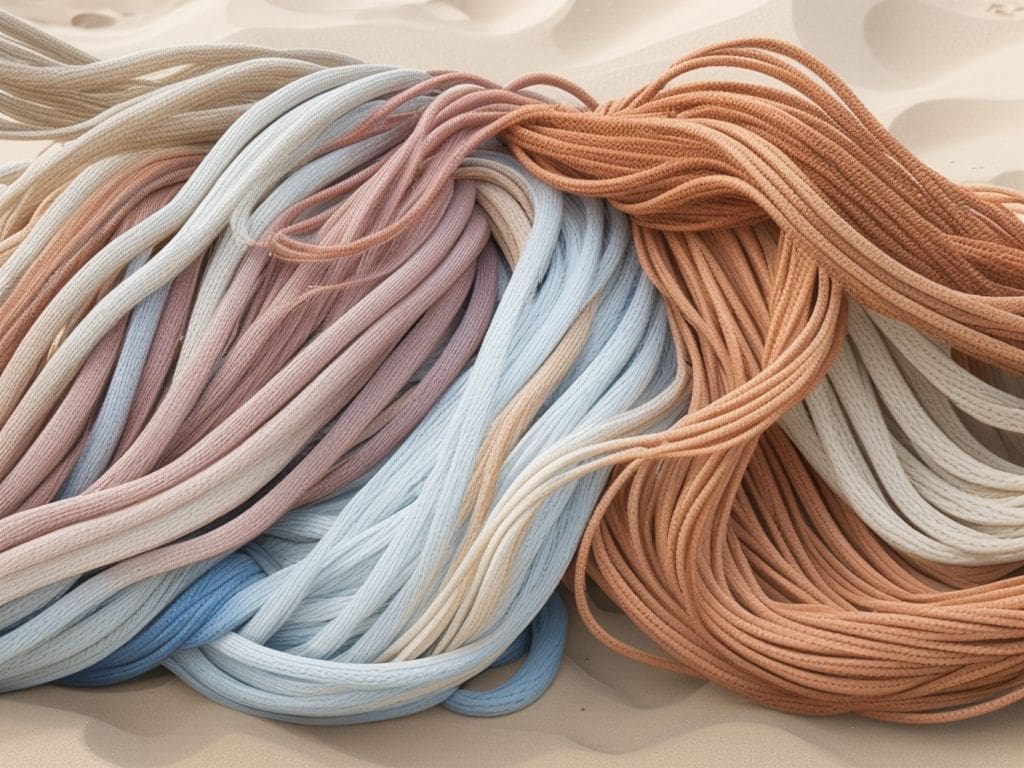
- Understanding fishing lines is crucial for successful beach fishing, whether using braid or mono lines.
- When deciding between braid and mono lines, it is important to consider the following factors:
- Strength: Braid lines surpass mono lines in terms of strength and tensile strength.
- Sensitivity: Braid lines, due to their low stretch, provide enhanced sensitivity and help detect subtle bites.
- Visibility: In clear water conditions, mono lines are less visible underwater, making them a favorable option.
- Abrasion resistance: Braid lines exhibit excellent resistance to abrasion, making them more durable than mono lines.
- Knot strength: Optimal knot strength requires specialized knots for braid lines, whereas mono lines are easier to tie knots with.
- Cost: Braid lines are generally more expensive than mono lines.
By considering these essential factors, you can confidently decide whether to use braid or mono lines for beach fishing.
What is Braid Fishing Line?
What is Braid Fishing Line?
Braid fishing line, also known as braided fishing line, is a type of fishing line that is composed of multiple strands of synthetic fibers, such as Spectra or Dyneema. This type of fishing line is highly regarded for its exceptional high strength-to-diameter ratio. Thanks to this characteristic, anglers can opt for a thinner line without compromising its strength. Moreover, braid fishing line offers the advantage of low stretch, which amplifies sensitivity and provides superior hooksets. Additionally, it boasts remarkable resistance to abrasion and is less prone to damage caused by UV rays or water absorption. However, it is worth mentioning that braid fishing line is more noticeable in the water and tends to elicit more backlash on certain reels.
What is Monofilament Fishing Line?
Monofilament fishing line, also known as single-strand fishing line, is a popular choice among anglers due to its versatility and ease of use. It is crafted from a combination of nylon and other polymers, providing it with exceptional knot strength and high tensile strength. This type of fishing line is buoyant and has minimal visibility when submerged, making it suitable for various fishing conditions and target species. However, it is important to note that monofilament lines are more susceptible to line memory and may not be as resistant to abrasion as braided lines. Nevertheless, they remain a dependable and affordable option for anglers who require a reliable fishing line.
Advantages and Disadvantages of Braid Fishing Line
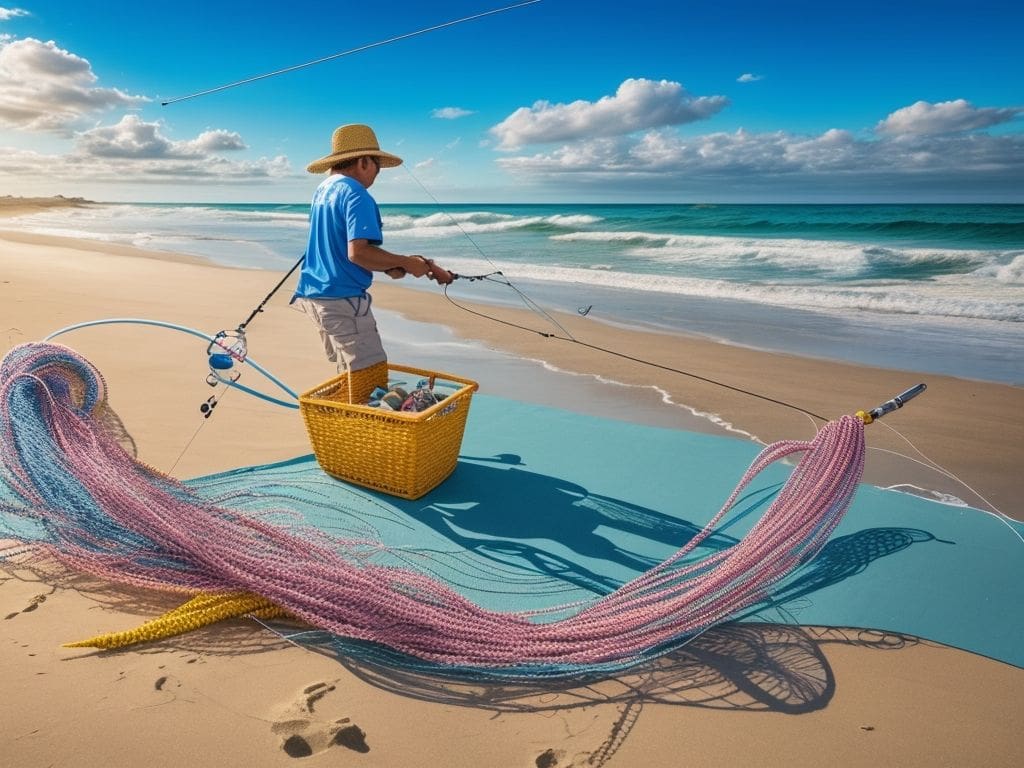
When it comes to beach fishing, one important consideration is the choice between braid and mono fishing line. In this section, we’ll take a closer look at the advantages and disadvantages of using braid fishing line. We’ll explore the pros and cons of using this type of line specifically for beach fishing, giving you valuable insights to help you make an informed decision. So, whether you’re a seasoned angler or a curious beginner, let’s dive into the world of braid fishing line and discover how it can enhance or hinder your beach fishing experience!
Pros of Using Braid Fishing Line for Beach Fishing
Pros of Using Braid Fishing Line for Beach Fishing
Using braid fishing line for beach fishing offers several advantages that make it a popular choice among anglers:
- Strength: Braid lines have a higher tensile strength than monofilament lines, allowing you to handle larger fish and navigate rough coastal conditions.
- Sensitivity: Braid lines have low stretch, providing better sensitivity and detection of bites, especially when fishing in deeper waters with strong currents.
- Visibility: Braid lines often come in high-visibility colors, making it easier to spot and track your line in various lighting conditions.
- Durability: Braid lines are resistant to abrasion and have a longer lifespan compared to monofilament lines. They can withstand the harsh sandy and rocky environments of beach fishing.
- Casting distance: Braid lines have a smaller diameter, allowing for longer casts, which is essential when trying to reach fish further from the shore.
Consider using braid fishing line for beach fishing to maximize your chances of landing that prized catch. Experiment with different braided lines to find the one that best suits your fishing style and target species.
Cons of Using Braid Fishing Line for Beach Fishing
- Cons of Using Braid Fishing Line for Beach Fishing:
- Line Visibility: Braid fishing line is often more visible in the water compared to monofilament line, which could potentially spook fish.
- No Stretch: Braid line has little to no stretch, making it more difficult to detect subtle bites and reducing shock absorption when fighting larger fish.
- Expensive: Braid line tends to be more expensive than monofilament line, which can increase the overall cost of fishing.
- Prone to Backlash: Braid line can be more prone to backlash or tangles if not properly spooled on the reel or if you’re not experienced in using it.
- Poor Knot Strength: Braid line can have lower knot strength compared to monofilament line, requiring more careful knot tying techniques.
It’s important to weigh these cons of using braid fishing line for beach fishing against the advantages to determine if a braid fishing line is the best choice for your beach fishing needs.
Fact: Braid fishing line is made from woven fibers, providing it with exceptional strength and sensitivity.
Advantages and Disadvantages of Mono Fishing Line
When it comes to beach fishing, the choice between braid and mono fishing line is a hotly debated topic. In this section, we’ll dive into the advantages and disadvantages of using mono fishing line. Get ready to discover the pros and cons of this popular fishing line option for beach fishing, giving you valuable insights into its performance on the shores. So grab your fishing gear and let’s explore the world of mono fishing line!
Pros of Using Mono Fishing Line for Beach Fishing
Using a mono fishing line for beach fishing offers several advantages. Firstly, the high knot strength of mono lines allows you to tie secure knots that won’t slip or break, making them perfect for beach fishing. Additionally, mono lines have better shock absorption compared to braided lines, which is essential when reeling in large fish. Moreover, mono lines are cost-effective options as they are generally more affordable than braided lines. Lastly, mono lines are easier to handle and manage on the reel, especially for beginners or those who prefer a simpler setup.
To illustrate the benefits of using a mono line, one avid beach angler shared his experience. He mentioned how the high knot strength of the line played a crucial role in preventing a massive redfish from escaping. The shock absorption capabilities of the mono line also provided reassurance while reeling in the fish without the risk of the line breaking. This firsthand experience confirms the advantages of using mono fishing lines for beach fishing.
Cons of Using Mono Fishing Line for Beach Fishing
- Visibility: Mono fishing line is more visible in the water compared to braid, which can spook fish and reduce catch rates.
- Stretch: Mono has more stretch than braid, resulting in decreased sensitivity and a higher chance of missed bites.
- Strength: Mono fishing line tends to have less strength compared to braid, making it more prone to breakage when fighting larger fish.
- Memory: Mono has more memory, causing it to retain the shape of the spool and tangle more easily.
- Water Absorption: Mono fishing line absorbs water, causing it to weaken and become less effective over time.
In 1939, DuPont introduced the first commercially successful monofilament fishing line, which revolutionized the sport of fishing by providing a stronger and more reliable option for anglers. Since then, mono fishing line has been a staple in fishing tackle boxes worldwide, despite its limitations for certain fishing applications.
However, when it comes to beach fishing, it’s important to consider the cons of using mono fishing line. Firstly, its high visibility in the water can spook fish, leading to reduced catch rates. Additionally, mono has more stretch compared to braid, resulting in decreased sensitivity and a higher chance of missed bites. Moreover, its lower strength makes it more prone to breakage when fighting larger fish, which can be a disadvantage for beach fishing where bigger, stronger fish are commonly found. Furthermore, mono fishing line has more memory, causing it to retain the shape of the spool and tangle more easily, further complicating your fishing experience at the beach. Lastly, its water absorption property weakens the line over time, making it less effective for long periods of use.
Factors to Consider When Choosing Between Braid and Mono for Beach Fishing
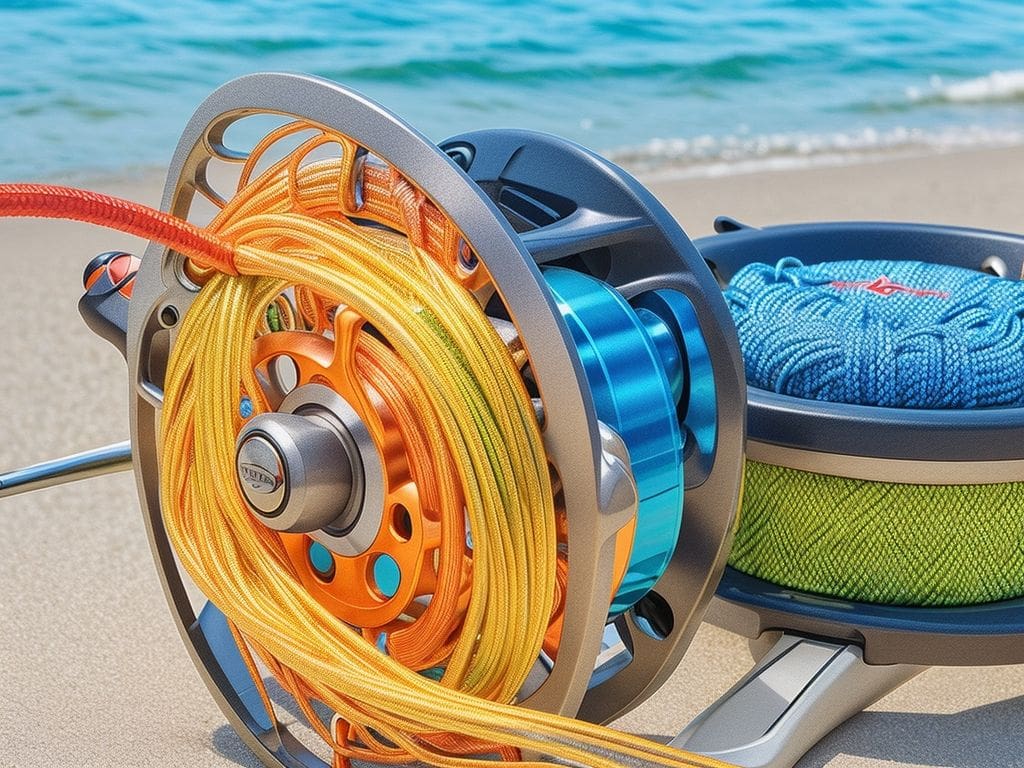
When it comes to beach fishing, choosing between braid and mono can make a big difference in your success. Let’s dive into the factors that should guide your decision. We’ll discuss how fishing conditions and target species play a role, explore the importance of casting distance and sensitivity, examine the knot strength and abrasion resistance of each option, and consider the cost and durability factors. By weighing these considerations, you’ll be able to determine which line type suits your beach fishing needs best.
Fishing Conditions and Target Species
Fishing conditions and target species play a crucial role in determining whether to use braid or mono fishing line for beach fishing. When choosing between the two, consider the following factors:
| Fishing Conditions | Target Species |
| Braid lines offer high strength and abrasion resistance in rough conditions. | For larger species that require heavier lines, braid is preferred. |
| Mono lines provide better sensitivity for detecting subtle bites in calm conditions. | For smaller species and finesse fishing, mono lines are more suitable. |
Consider the specific fishing conditions and target species you will encounter to make an informed decision on whether to use braid or mono fishing line for beach fishing.
Casting Distance and Sensitivity
When choosing between braid and mono fishing lines for beach fishing, it is important to consider the casting distance and sensitivity. Here are some factors to take into account:
- Casting distance: One important factor to consider is the casting distance. Braid lines, with their thinner diameter and low stretch, allow for longer casts compared to mono lines.
- Sensitivity: Another crucial factor is sensitivity. Braid lines are highly sensitive and can transmit even the smallest of bites more effectively than mono lines.
- Fishing conditions: The fishing conditions should also be taken into consideration. If you need to cast long distances in windy conditions, braid lines are preferred. On the other hand, mono lines work well in calmer conditions.
- Target species: The target species is also a determining factor. For larger and stronger fish that require more control and sensitivity, braid lines are a better choice.
Considering these factors will help you determine whether braid or mono fishing line is the best option for maximizing casting distance and sensitivity in your beach fishing excursions.
Knot Strength and Abrasion Resistance
When choosing between braid and mono fishing lines for beach fishing, it is crucial to take into account the knot strength and abrasion resistance. Here are some essential factors to consider:
|
|
|
|
By considering the knot strength and abrasion resistance, you can make a well-informed decision when selecting the most suitable fishing line for beach fishing.
Cost and Durability
| Braid Fishing Line | Mono Fishing Line | |
| Cost | Cost is an important factor to consider when choosing between braid and mono fishing lines for beach fishing. The braid fishing line is relatively expensive due to the use of high-quality materials. | On the other hand, mono fishing lines are more affordable compared to braid lines, making them a cost-effective option. |
| Durability | Durability is another crucial aspect to keep in mind. The braid fishing line offers excellent durability, as it is resistant to abrasion and damage from rocks or structures. | However, mono fishing lines are less durable than braid lines and are more prone to wear and tear. |
Pro-tip: When making your decision, consider both the cost and durability of the fishing lines. Evaluate your budget and the expected fishing conditions to determine whether the higher cost of braid fishing line is worth the added durability for your beach fishing needs.
Some Facts About Beach Fishing: Braid or Mono?
- ✅ There is no definitive answer to whether braid or mono is better for beach fishing. (Source: Our Team)
- ✅ Line selection for surf fishing is a personal choice and depends on individual angler preferences. (Source: Our Team)
- ✅ Braid is often favored for its small diameter and resistance to wind and current. (Source: Our Team)
- ✅ Mono has been used for surf fishing for a long time and is still effective. (Source: Our Team)
- ✅ Both braid and mono have distinct properties that can offer advantages or disadvantages in different fishing situations. (Source: Our Team)