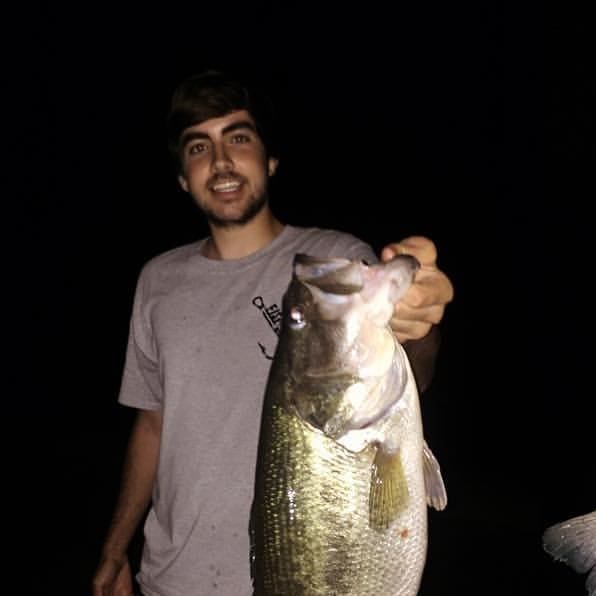
Top Tips: Catching Catfish in a Pond
Catfishing in a pond can be an exciting and rewarding experience for any fishing enthusiast. Whether you are a beginner or an experienced angler, knowing the best techniques and equipment for catching catfish can greatly improve your success. In this article, we will explore the basics of pond catfishing, the right catfishing equipment to gather, techniques for catching catfish in a pond, and important tips for success and safety. Understanding the habits and behavior of catfish, as well as using the appropriate gear and techniques, will increase your chances of landing a prized catch. So let’s dive into the world of pond catfishing and discover the best way to catch catfish in a pond.
The Basics of Pond Catfishing

When it comes to pond catfishing, understanding the basics is essential for a successful fishing trip. Here are the key steps to follow:
- Choose the right bait: Use stinky and oily baits like chicken liver, worms, or cut bait to attract catfish.
- Select the right tackle: Opt for a medium to heavy fishing rod and reel that can handle the weight and strength of catfish.
- Find the right spot: Look for areas with structure like logs, rocks, or underwater vegetation where catfish like to hide.
- Cast your line: Cast your baited hook into the water, allowing it to sink to the bottom. Keep the line tight and watch for any movement or bites.
- Be patient: Catfish are known to be bottom feeders and can take some time to find your bait. Stay patient and wait for a bite.
- Set the hook: Once you feel a bite, give a quick, hard tug to set the hook firmly in the catfish’s mouth.
- Reel in the catch: Slowly and steadily reel in the catfish, keeping tension on the line. Be cautious of their sharp fins.
- Handle with care: Use gloves or a specialized catfish gripper to handle the fish safely. Be mindful of their spines and potential bites.
- Release or clean: Depending on local regulations and personal preference, either release the catfish back into the pond or clean it for cooking.
What Are Catfish?
Catfish are a type of fish known as bottom-dwelling scavengers, famous for their distinctive features
resembling a cat’s whiskers, known as “barbels.” These fascinating creatures can be commonly found in freshwater ponds, rivers, and lakes. Catfish have a diverse diet and are known to consume insects, small fish, and even plants. What sets them apart is their impressive size, with certain species growing up to several feet in length and weighing over 100 pounds. Due to their exceptional fighting ability and delectable flesh, catfish have gained popularity among anglers.
Pro-tip for catfish angling in ponds: To appeal to their scavenging nature, it is advisable to use pungent baits like chicken liver or worms.
Why Choose Pond Catfishing?
- Why Choose Pond Catfishing? Convenience: Ponds are easily accessible and closer to home than larger bodies of water.
- Why Choose Pond Catfishing? Greater Success: Ponds are often stocked with catfish, increasing the chances of a successful catch.
- Why Choose Pond Catfishing? Calm Environment: Ponds provide a tranquil setting with less boat traffic and noise compared to rivers or lakes.
- Why Choose Pond Catfishing? Learning Opportunity: Smaller bodies of water allow anglers to learn and practice different techniques and strategies.
- Why Choose Pond Catfishing? Family-Friendly: Pond catfishing offers a great opportunity for families to spend quality time together outdoors.
Why Choose Pond Catfishing? For instance, my friend Mark, an avid angler, chose pond catfishing for his family outing. They enjoyed a peaceful day by the pond, catching several catfish and creating lasting memories. Pond catfishing provided a perfect setting for teaching his children about fishing and appreciating nature.
Gathering the Right Catfishing Equipment
Are you ready to reel in some big catfish? In this section, we’ll dive into the crucial task of gathering the right catfishing equipment. From choosing the perfect fishing rod and reel to selecting the best fishing line, picking the appropriate catfish hooks, and using the right bait, we’ve got you covered. Get ready to amp up your catfishing game and increase your chances of a successful catch. Let’s dive in!
Choosing the Right Fishing Rod and Reel
Choosing the right fishing rod and reel is essential for a successful pond catfishing experience.
- Type of Rod: It is important to select a medium to heavy-action rod that has a sensitive tip.
- Reel Type: Opting for a spinning reel is recommended as it can handle heavy lines and provide a smooth drag.
- Gear Ratio: When choosing a reel, make sure to select one with a high gear ratio for quick line retrieval.
- Line Capacity: It is crucial to ensure that the reel has enough line capacity to handle large catfish.
- Line Strength: Using a heavy-duty line with a test strength suitable for catfish is highly recommended.
- Drag System: It is advisable to look for a reel that comes equipped with a strong and reliable drag system.
To successfully land those big catfish in the pond, it is essential to have a well-matched rod and reel combo that provides the necessary power and control.
Selecting the Best Fishing Line
When selecting the best fishing line for pond catfishing, there are a few factors to consider:
- Strength: Choose a fishing line with a high pound test to handle the weight and power of catfish.
- Durability: Look for a fishing line that is abrasion-resistant to withstand the rough underwater terrain in ponds.
- Visibility: If you’re fishing in clear water, consider a low-visibility fishing line to avoid spooking the catfish.
- Sensitivity: Opt for a fishing line that allows you to feel even the slightest bite from catfish.
When it comes to selecting the best fishing line for pond catfishing, you need to carefully evaluate its strength, durability, visibility, and sensitivity. I once went pond catfishing with my friends, and I made the mistake of using a fishing line that was too light. Every time I hooked a big catfish, it snapped my line. After losing several fish, I realized the importance of selecting the best fishing line. I switched to a stronger and more durable line, and I was able to successfully catch some impressive catfish.
Picking the Appropriate Catfish Hooks
Picking the Appropriate Catfish Hooks is crucial for a successful pond catfishing experience. Take into consideration the following factors when choosing your hooks:
- Hook Size: Opt for larger hooks like 2/0 or 3/0 when targeting bigger catfish species such as channel catfish. For smaller catfish species, go for smaller hooks like 1/0 or 2.
- Hook Style: It is recommended to select circle hooks specifically designed to catch the fish in the corner of the mouth. This helps decrease the likelihood of deep hooking and enhances the success of catch-and-release.
- Strength and Durability: Make sure to pick hooks made from strong and durable materials such as carbon steel or stainless steel. These hooks can withstand the powerful jaws of catfish.
- Barb or Barbless: You may want to consider using barbless hooks as they make hook removal easier and minimize harm to the fish.
- Sharpness: Always ensure that your hooks are sharp enough to improve hooking efficiency and prevent the fish from escaping.
Using the Right Bait for Catfish
Choosing the right bait is essential for successful pond catfishing. To assist you in making the right choice, follow these steps:
- Consider the type of catfish you are targeting. Different species have different preferences.
- Live bait options, such as nightcrawlers, leopard frogs, and shad sides, should be taken into account.
- You may find prepared baits, like chicken liver or sponge baits, to be effective.
- Experiment with smelly baits like chicken guts or turkey livers to attract catfish effectively.
- Ensure your bait is securely held on the hook by using bait holders.
- Try different bait presentations, such as utilizing a slip sinker rig or a slip bobber.
- Take into consideration the time of day and season, as catfish have distinct feeding patterns.
- If unsure, seek guidance from local bait shops. They can assist you in finding the most effective bait for your pond.
Techniques for Catching Catfish in a Pond
Looking to reel in some catfish from a pond? In this section, we’ll dive into the different techniques you can use to enhance your chances of catching these elusive creatures. From finding the perfect fishing spot and understanding catfish feeding habits to exploring various fishing techniques, we’ve got you covered. So grab your gear and get ready to discover the best ways to hook that prized catfish in no time.
Location and Spot Selection
Location and spot selection play a crucial role in successful pond catfishing. Here are steps to help you find the best spots:
- Look for areas with cover, such as tree stumps or beaver dams, where catfish hide and feed.
- Target deeper parts of the pond, as catfish prefer cooler water and deeper areas offer more cover.
- Observe the water for any signs of catfish activity, such as jumping or swirling.
- Consider water flow and current, as catfish often gather near areas with increased oxygen and food supply.
- Try different areas of the pond during different times of day, as catfish behavior can vary.
Time of Day for Catfishing
During pond catfishing, the time of day for catfishing plays a crucial role in increasing your chances of success. Catfish are known to be more active during certain periods, making it important to choose the right time to fish. Typically, early morning and late evening are prime times for catfishing. During these times, catfish tend to be more active and are actively searching for food. By fishing during these time of day for catfishing periods, you can increase your chances of catching catfish. Remember, catfishing is a patient sport, so dedicating your time during the optimal time of day for catfishing will greatly enhance your chances of a successful catch.
Understanding Catfish Feeding Habits
Understanding catfish feeding habits is essential for successful pond catfishing. Catfish are opportunistic feeders, frequently scavenging for food at the pond’s bottom. They have a wide-ranging diet, consuming various baits such as night crawlers, chicken guts, turkey livers, and sponge baits. Timing plays a vital role, as catfish tend to be more active during the night and prefer the deeper parts of the pond during the day. Employing fishing techniques like still fishing near tree stumps or beaver dams can produce favorable outcomes. By comprehending catfish feeding habits, anglers can greatly improve their chances of catching these elusive fish.
Using Different Fishing Techniques
Using different fishing techniques can greatly increase your chances of catching catfish in a pond. Here are some steps to help you diversify your approach:
- Utilizing various methods: Use this technique to cover a larger area of the pond and attract active catfish.
- Bottom fishing: Set up your rig with a sinker and bait on the bottom to catch catfish that are feeding near the pond floor.
- Float fishing: Attach a bobber or float to your line to suspend your bait at a specific depth and attract catfish.
- Trolling: Use a boat or kayak to slowly move around the pond with your bait trailing behind, enticing catfish to strike.
Remember, different techniques work better in different situations, so experiment to find what works best for you. Pro-tip: Keep an open mind and be willing to adapt your fishing techniques based on the conditions and catfish behavior.
Tips for Success and Safety
Looking to successfully catch catfish in a pond? This section has got you covered! We’ll explore essential tips for a safe and fruitful catfishing experience. From the importance of patience and persistence to proper handling and release techniques, we’ll equip you with the knowledge you need. We’ll discuss crucial safety measures to ensure that your pond catfishing adventure is enjoyable and incident-free. Let’s dive in and reel in those catfish like a pro!
Patience and Persistence
Patience and persistence are key when it comes to successful pond catfishing. It can take time to find the right spot and understand catfish feeding habits. Stay patient and persistent and keep trying different fishing techniques until you find what works. Remember to practice proper handling and release of catfish to ensure their survival.
I once spent hours fishing in a pond, feeling frustrated and ready to give up. But I decided to stay patient and persistent. My patience paid off, and I caught a big channel catfish. It was a reminder that sometimes, the best things come to those who wait. So, don’t get discouraged and keep trying – you never know when your perseverance will pay off in the form of a great catch.
Proper Handling and Release of Catfish
Proper Handling and Release of Catfish is imperative for the fish’s well-being and the sustainability of the pond ecosystem. Here are some essential steps to follow:
- Handle with care: Use wet hands or a wet towel to minimize damage to the fish’s protective slime layer.
- Support the body: Cradle the fish close to the water’s surface for support and avoid squeezing or bending the fish’s body.
- Use appropriate tools: Use a landing net or lip grippers to securely hold the fish without causing harm.
- Minimize air exposure: Keep the fish in the water as much as possible to prevent stress and minimize the risk of injury.
- Remove hooks carefully: Use long-nose pliers or a hook remover to gently remove the hook, minimizing the handling time.
- Revive before release: If needed, gently move the fish back and forth in the water to help it regain strength before releasing.
- Release immediately: Release the catfish back into the water without delay, ensuring it swims away on its own.
Staying Safe While Pond Catfishing
When engaging in pond catfishing, it is crucial to prioritize safety in order to have an enjoyable and accident-free experience. Here are some essential steps to ensure your safety while pond catfishing:
- Ensure that you are wearing the appropriate safety gear, including a life jacket, to prevent any accidents or drowning incidents.
- Prior to heading out, make sure to inform someone about your location and estimated time of return.
- Be mindful of your surroundings, specifically any potential hazards such as tree stumps or beaver dams.
- Exercise caution when handling catfish to avoid injury from their spines or sharp teeth.
- When casting or reeling, be cautious to prevent accidental hooking of yourself or others.
- Regularly inspect your fishing equipment for any damage or signs of wear and tear. It is important to utilize sturdy equipment.
- Adhere to all local fishing regulations and obtain any necessary licenses.
- Don’t forget to stay hydrated and protect yourself from the sun by applying sunscreen and wearing a hat.
By following these important safety precautions, you can fully enjoy your pond catfishing adventure while significantly reducing any potential risks or accidents.