Ideal Fish Population for a Half Acre Pond
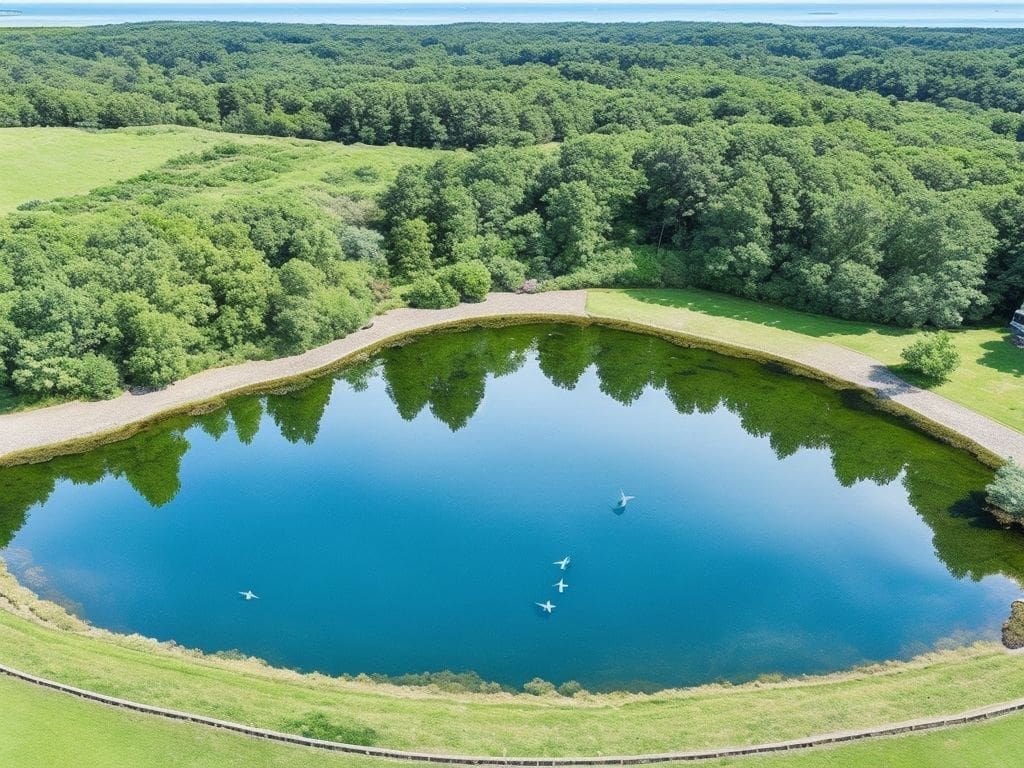
Fish stocking in a half-acre pond is a topic that requires careful consideration to ensure the health and sustainability of the aquatic ecosystem. Several factors come into play when determining the appropriate fish stocking density for a pond of this size. These factors include the pond’s size and depth, water quality, and the type and size of fish to be stocked. Proper calculation of fish stocking density is crucial to maintain a balanced and thriving fish population. Sustainable fish stocking involves monitoring water quality, providing adequate habitat and food, and managing predators and competitors. When done correctly, proper fish stocking can bring benefits such as improved water quality, enhanced recreational opportunities, and ecological balance and biodiversity to a half-acre pond. With a comprehensive understanding of these factors and considerations, pond owners can establish and maintain a successful fish population in their half-acre ponds.
For more information on fish stocking, please visit our website.
To learn about the importance of monitoring water quality in maintaining a successful fish population, click here.
If you’re unsure about managing predators and competitors in your pond, our experts can provide guidance and advice.
Factors Affecting Fish Stocking Density
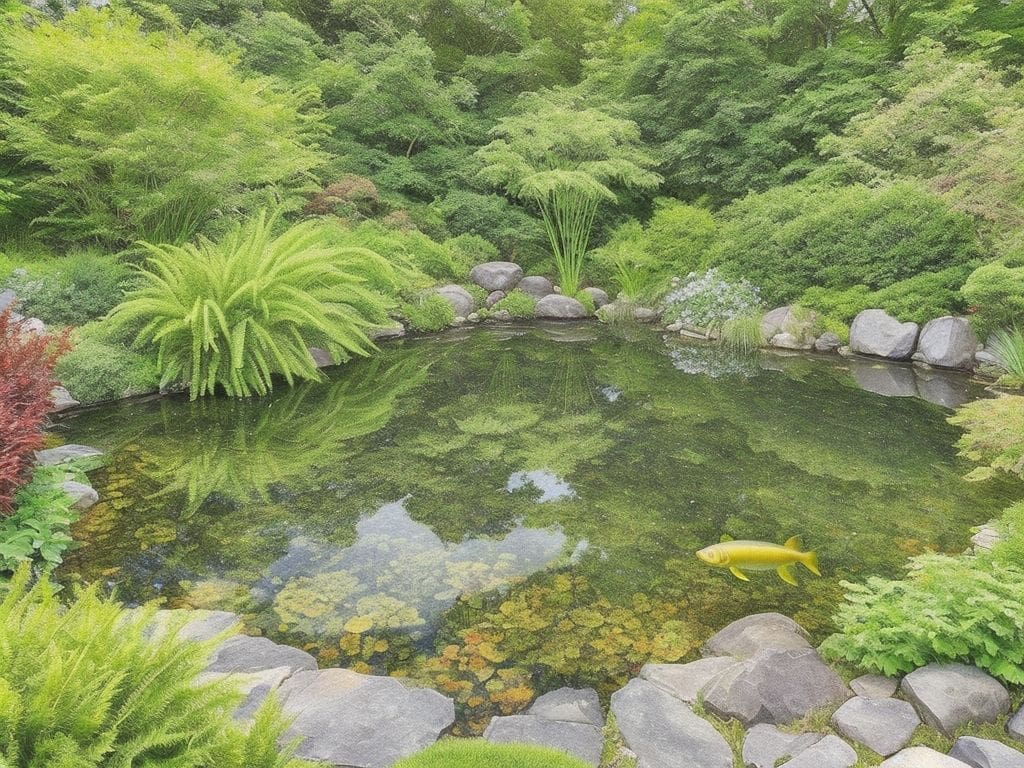
When it comes to stocking fish in a half-acre pond, several factors come into play. From the size and depth of the pond to the water quality and the type of fish you choose, each element plays a crucial role in determining the optimal fish stocking density. In this section, we’ll dive into these factors, exploring how they impact the number of fish that can thrive in your pond. So let’s discover the key elements that contribute to a thriving fish population in your half-acre pond.
Pond Size and Depth
Pond size and depth are key factors in determining the ideal fish stocking density. In the provided table, you can find information on the correlation between pond size, depth, and the recommended stocking density for different fish species.
| Pond Size (acres) | Depth (feet) | Stocking Density (number of fish) |
|---|---|---|
| 0.5 | 4 | 500-1000 |
| 0.5 | 6 | 300-600 |
| 0.5 | 8 | 200-400 |
To ensure the proper growth and reproduction of fish, it is advisable to maintain a minimum depth of 4 feet for a half-acre pond. This depth allows sufficient space for the fish to flourish. The recommended stocking density varies from 200 to 1000 fish depending on the pond’s depth. However, please bear in mind that these recommendations are general and may be influenced by specific factors such as the quality of water and the specific fish species being stocked.
Water Quality
Maintaining good water quality is crucial for the health and well-being of fish in half-acre ponds. Water quality plays a vital role in ensuring that the fish have enough oxygen to breathe and thrive. Here are some key factors to consider for effectively maintaining water quality:
1. pH levels: Monitoring and adjusting the pH levels of the water is of utmost importance as fish have specific pH requirements for optimal growth and reproduction.
2. Dissolved oxygen: It is essential to maintain adequate oxygen levels for the survival of fish. This can be achieved by incorporating aeration systems or ensuring proper water movement.
3. Temperature: Fish have specific temperature preferences. It is crucial to ensure that the water temperature falls within their preferred range, as it directly impacts their well-being.
4. Nutrient levels: Excessive nutrients such as nitrogen and phosphorous can cause an overgrowth of algae, diminishing oxygen levels and adversely affecting water quality. Proper pond management practices should be employed to manage nutrient levels effectively.
Regular testing and monitoring of water quality parameters are necessary to identify any potential issues and take proactive measures to maintain optimal conditions for fish in half-acre ponds.
Fish Type and Size
| Fish Type | Size |
| Bass | 6-12 inches |
| Bluegill | 3-6 inches |
| Crappie | 8-10 inches |
| Catfish | 6-8 inches |
In a similar vein, there was a case where a half-acre pond was stocked with different fish types and sizes, including bass and bluegill. Over time, the bluegill population grew excessively, leading to stunted growth. To restore balance, additional bass were introduced, effectively controlling the bluegill population and ensuring a healthy fish community in the pond.
Calculating Fish Stocking Density for a Half Acre Pond
Calculating the perfect fish stocking density for your half-acre pond? Look no further! In this section, we’ll dive into the nitty-gritty of determining the surface area of the pond, selecting the ideal fish species and size, and estimating the stocking density. Whether you’re a novice pond owner or a seasoned enthusiast, these insights will help you achieve a thriving fish population that’s just right for your half-acre aquatic haven. So let’s get started and make your pond teem with life!
Determining the Surface Area of the Pond
To accurately determine the surface area of the pond, follow these steps:
- Measure the length and width of the pond using a measuring tape.
- Multiply the length and width measurements together to calculate the total square footage.
- Convert the square footage to acres by dividing the total square footage by 43,560 (the number of square feet in an acre).
- If the resulting value is greater than 0.5 acres, adjust the measurements until the area is equal to half an acre.
It’s crucial to carefully determine the surface area of the pond as it directly impacts calculations for fish stocking density and overall management. It may be helpful to involve a surveyor or consult with a fisheries biologist for precise measurements.
Selecting Fish Species and Size
When selecting fish species and size for a half-acre pond, consider factors such as pond characteristics, ecological balance, and personal preferences.
- Pond Characteristics: Determine if the pond is suitable for certain species based on water temperature, depth, and plant coverage.
- Ecological Balance: Choose fish that complement the existing ecosystem, such as herbivorous fish to control plant growth or predator fish to manage prey populations.
- Personal Preferences: Select fish species that align with your goals, whether it’s for sport fishing, aesthetic appeal, or aquaponics.
Pro-tip: Consult local fishery agencies or experts to ensure that you’re selecting the right fish species and size for your specific pond.
Estimating Stocking Density
Estimating stocking density is a critical step in ensuring the appropriate fish stocking for a half-acre pond. It involves determining the suitable number of fish to add based on factors such as pond size, water quality, and fish type. To accurately estimate the stocking density, follow these steps:
1. Determine the surface area of the pond to calculate the available space for fish.
2. Select fish species and size that are compatible with the pond’s ecosystem.
3. Take into account factors like growth rate and carrying capacity to estimate the maximum number of fish the pond can sustain.
Regularly monitoring water quality, providing adequate habitat and food, and managing predators and competitors are essential for sustainable fish stocking. By properly estimating stocking density, it leads to improved water quality, enhanced recreational opportunities, and ecological balance in half-acre ponds.
Considerations for Sustainable Fish Stocking
When it comes to maintaining a sustainable fish population in a half-acre pond, there are several important considerations to keep in mind. From monitoring water quality to providing adequate habitat and food, as well as managing predators and competitors, each aspect plays a crucial role. So, let’s dive in and explore the key factors that contribute to a thriving fish stock in your pond.
Monitoring Water Quality
- Regular Monitoring: Monitoring water quality is essential for maintaining a healthy fish population in half-acre ponds. To effectively monitor water quality, it is important to conduct regular tests to measure parameters like pH, temperature, dissolved oxygen, and ammonia levels.
- Identification of Issues: As part of monitoring water quality, it is crucial to look for signs of problems such as algae blooms, foul odors, or fish stress. This helps in identifying any potential water quality issues.
- Record-keeping: To keep track of the water quality over time and detect any long-term trends or potential issues, it is recommended to maintain a record of the test results.
- Addressing Problems: If any water quality issues are found during the monitoring process, it is necessary to take prompt action. This may include adjusting feeding habits, aerating the water, or adding beneficial bacteria to improve the quality of the water.
- Preventing Contamination: Prevention of contamination is a key aspect of monitoring water quality. To avoid pollution from fertilizers, pesticides, or runoff, it is important to implement best management practices.
By diligently monitoring water quality, pond owners can ensure a suitable environment for fish and promote a thriving ecosystem.
Providing Adequate Habitat and Food
When it comes to providing adequate habitat and food for fish in a half acre pond, there are several factors to consider:
- Vegetation: Planting aquatic plants and creating submerged structures can provide shelter for fish and serve as a food source.
- Fish Feeders: Installing automated fish feeders can ensure a consistent supply of food, helping fish grow and thrive.
- Food Chain: Establishing a balanced food chain by stocking the pond with appropriate prey fish like minnows or shiners can support larger predator fish.
- Water Quality: Maintaining good water quality through proper filtration and circulation is crucial for sustaining a healthy ecosystem and providing clean water for fish.
Pro-tip: Regularly monitor the pond’s food availability and adjust stocking densities and feeding schedules accordingly to maintain a healthy and balanced fish population.
Managing Predators and Competitors
Managing predators and competitors is crucial in maintaining a healthy fish population in half-acre ponds. To achieve this, pond owners should follow these key steps:
- Identify predators: It is important to determine the predators present in the pond, such as birds, raccoons, or larger fish species like bass or pike.
- Implement deterrents: To prevent access for birds and small mammals, consider installing netting or wire mesh around the pond. Additionally, create hiding spots like submerged structures or dense vegetation to offer shelter for smaller fish.
- Control fish population: Regularly monitor and regulate the density of predatory fish to prevent overstocking. Overstocking can lead to competition for resources and slow growth rates for other fish species.
- Balance the ecosystem: Encourage a diverse range of fish species to prevent dominance by a single species and promote a healthy food chain.
By effectively managing predators and competitors, pond owners can ensure the long-term stability and health of their fish population.
Benefits of Proper Fish Stocking in Half Acre Ponds
Thinking of stocking your half-acre pond with fish? Discover the exciting benefits that come with proper fish stocking. From improved water quality to enhanced recreational opportunities, and ecological balance to increased biodiversity, this section will dive into the advantages that await when you make the right choices for your pond’s fish population. So, let’s explore how stocking the right fish can transform your half-acre pond into a thriving aquatic ecosystem.
Improved Water Quality
Maintaining improved water quality is a crucial benefit of proper fish stocking in half-acre ponds. The presence of fish not only helps to control algae and aquatic weed growth but also contributes to preventing stagnation and promoting oxygenation, ultimately leading to improved water quality. Additionally, fish waste acts as a natural fertilizer, stimulating the growth of beneficial bacteria and plankton that significantly enhance water clarity and overall health. By carefully stocking the pond with an appropriate number and type of fish, pond owners can effectively achieve and maintain the desired improved water quality, thus establishing a harmonious and flourishing aquatic ecosystem.
Enhanced Recreational Opportunities
Enhanced Recreational Opportunities can be achieved through thoughtful fish stocking and management practices. Here are some ways stocking fish can enhance recreational experiences:
- Diverse fish populations can provide enhanced recreational opportunities for recreational fishing, with different species offering unique challenges and rewards.
- Stocking sport fish, such as bass or trout, can create exciting angling experiences for fishing enthusiasts and contribute to enhanced recreational opportunities.
- Well-managed fish populations can lead to higher catch rates, increasing the enjoyment and satisfaction of fishing and, in turn, providing enhanced recreational opportunities.
- Introducing larger-sized fish can provide a thrilling experience for anglers, as they have the chance to catch trophy-sized specimens and enjoy enhanced recreational opportunities.
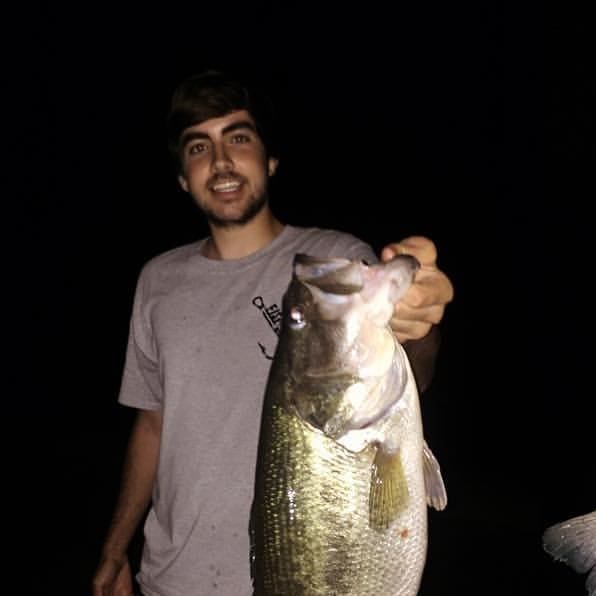
True story: A family-owned half-acre pond implemented a fish stocking plan that included bass, bluegill, and catfish. Over time, the pond became a popular destination for fishing enthusiasts in the area, creating enhanced recreational opportunities. The increased recreational opportunities brought joy and connected the community with nature. Anglers were able to catch a variety of fish species, leading to memorable experiences and the creation of lasting friendships.
Ecological Balance and Biodiversity
Maintaining ecological balance and biodiversity in half-acre ponds is crucial for a healthy and thriving ecosystem. By stocking the pond with a diverse range of fish species, it helps to preserve ecological balance and biodiversity. This is essential in preventing the dominance of certain species and promoting the coexistence of multiple species, thus enhancing biodiversity. Additionally, a diverse fish population plays a vital role in nutrient cycling, improving water quality, and supporting the presence of other aquatic organisms like insects and amphibians. Therefore, when stocking a half-acre pond, it is imperative to consider the long-term sustainability of the ecosystem by prioritizing the preservation of ecological balance and biodiversity.