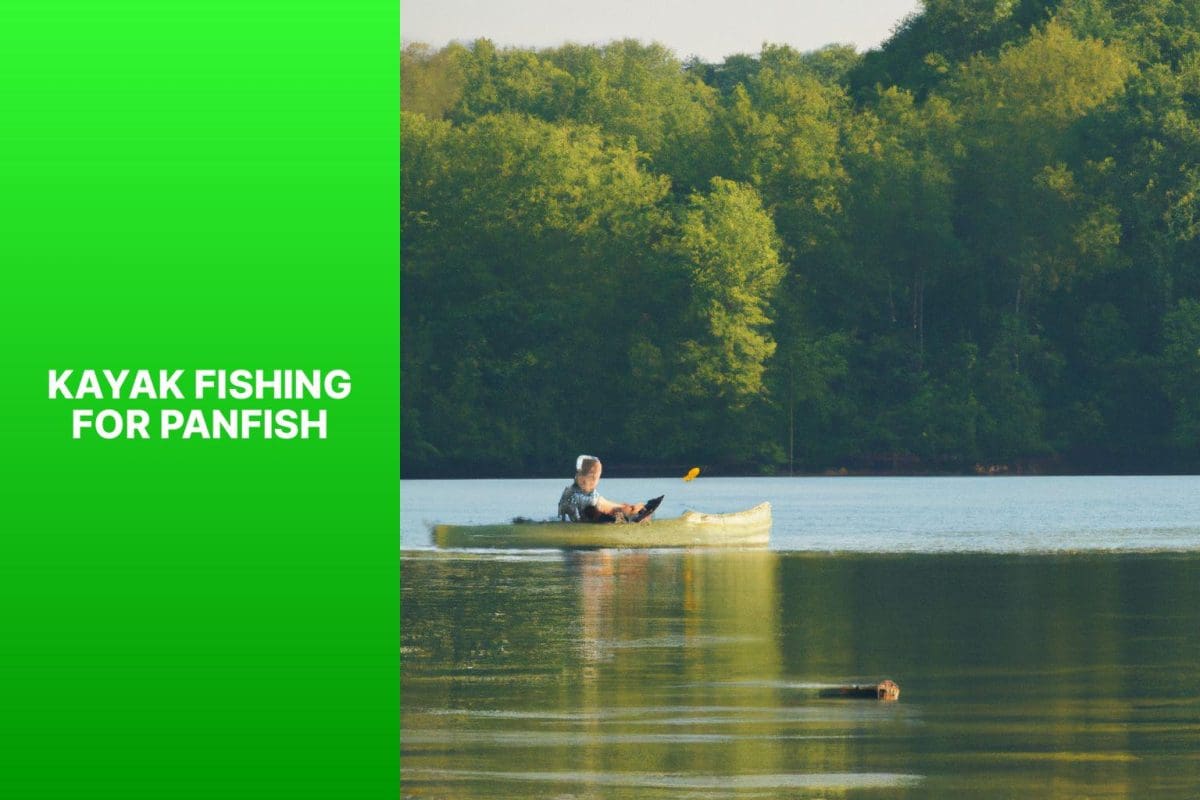
Kayak Fishing For Panfish: Guide + Tips
Kayak fishing for panfish is a thrilling activity that involves using a kayak to target species such as bluegill, crappie, and perch. This unique approach combines transportation and a fishing platform, enabling anglers to access remote and shallow fishing grounds that larger boats cannot reach. One of the major advantages of kayaks is their silent and stealthy nature, allowing anglers to approach fish without spooking them.
Why Choose Kayak Fishing for Panfish?
 Kayak Fishing for Panfish on a Mountain Lake
Looking to catch panfish? Discover why kayak fishing is the ultimate choice! In this section, we’ll explore the amazing benefits of kayak fishing for panfish. From its maneuverability to accessing hidden fishing spots, prepare to reel in the thrill and excitement of this unique angling experience. Get ready to navigate through the waters and hook those panfish like never before!
Benefits of Kayak Fishing for Panfish
Increased mobility is one of the benefits of kayak fishing for panfish. With a kayak, anglers can access areas where panfish hide, increasing their chances of a successful catch. Fishing in a kayak provides a closer connection to nature. It allows anglers to navigate calm waters and enjoy the tranquility of their surroundings.
Kayak fishing is also cost-effective. Anglers can eliminate the need for a motorized boat, reducing expenses for fuel, maintenance, and storage. Kayaks provide improved stealth on the water. They are quieter and create less disturbance, making it easier for anglers to approach panfish without spooking them.
Another benefit of kayak fishing is the enhanced challenge it brings. Anglers must rely on their skills and knowledge of the water to locate and catch panfish, adding excitement and satisfaction to the experience. Kayaking itself provides a great form of physical exercise. It works out the upper body and core muscles, allowing anglers to stay active and improve their fitness.
From an environmental perspective, kayak fishing is also friendly. Kayaks have minimal impact on the environment, as they do not release pollutants or disturb the natural habitat of panfish and other aquatic species. Kayaks offer flexibility and adaptability. They can be easily transported and launched in various water bodies, giving anglers the freedom to explore different fishing spots and adapt to changing conditions.
Kayak fishing provides a solo fishing experience. Designed for single-person use, kayaks offer anglers a peaceful and personal fishing experience. They can fully focus on their technique and enjoy the outdoors without distractions.
Essential Gear for Kayak Fishing for Panfish
When it comes to kayak fishing for panfish, having the right gear can make all the difference. In this section, we’ll dive into the essential equipment you need to maximize your fishing success. From the kayak and paddle that serve as your ultimate fishing vessel to the fishing rods and reels that help you reel in the biggest catches, we’ll cover it all. Plus, we can’t forget about the tackle and bait that attract panfish and the safety equipment that keeps you protected on the water. Let’s gear up and get ready for an unforgettable kayak fishing adventure!
1. Kayak and Paddle
The kayak and paddle are essential gear for kayak fishing for panfish. They serve as tools to help anglers navigate and reach their desired fishing spots. When considering the kayak and paddle, there are a few key points to keep in mind:
1. Size and Stability: It is important to choose a kayak that is the right size for your body and fishing needs. Opting for a wider kayak will provide better stability, making it easier to cast and reel in panfish.
2. Sit-on-top or Sit-inside: Deciding between a sit-on-top kayak and a sit-inside kayak is a personal preference. A sit-on-top kayak offers additional space and easy access to your gear, while a sit-inside kayak provides better protection against the elements.
3. Paddle Design: Selecting a paddle specifically designed for kayaking is crucial. Look for a paddle that is lightweight and durable, and make sure it is the appropriate length for your kayak and body size. Consider a paddle with an adjustable feathering angle for added comfort.
4. Storage Space: It is essential to ensure that your kayak has enough storage space for all of your fishing gear. This includes rod holders, tackle boxes, and a cooler to keep your catch fresh.
5. Maneuverability: When choosing a kayak, consider its maneuverability in different water conditions such as lakes, rivers, and coastal areas. You want a kayak that is easy to maneuver to enhance your fishing experience.
Let’s take the example of my friend John, an enthusiastic kayak angler who enjoys fishing for panfish. He recently purchased a robust sit-on-top kayak that offers ample storage and a comfortable seat. With his lightweight paddle, John effortlessly glided through calm waters in search of panfish hotspots. The stability of his kayak allowed him to stand up and cast his line accurately, increasing his chances of catching fish. Thanks to his well-chosen kayak and paddle, John had a successful day on the water and even caught a record-breaking bluegill. The right choice of kayak and paddle can truly enhance the fishing experience when targeting panfish.
2. Fishing Rods and Reels
- Choosing the right fishing rod and reel is crucial for successful kayak fishing for panfish.
- A medium-length rod, around 6 to 7 feet, works well for most panfish species.
- Opt for a lightweight and sensitive fishing rod to easily detect bites from panfish.
- Choose a spinning reel for kayak fishing as they are easier to handle and versatile for various fishing techniques.
- Look for a reel with a smooth drag system to handle the lively fights of panfish.
- Ensure that the fishing reel has sufficient line capacity to handle potential runs of larger panfish.
- Consider the gear ratio of the reel. A higher gear ratio, such as 6:1, allows for quicker line retrieval when targeting active panfish.
- Use a good quality fishing line that matches your targeted panfish species and fishing conditions.
- Consider a lighter line weight, around 4-8 pounds, for panfish to enhance sensitivity and reduce the risk of spooking the fish.
- When choosing fishing rods and reels, take into account your skill level, fishing style, and budget.
3. Tackle and Bait
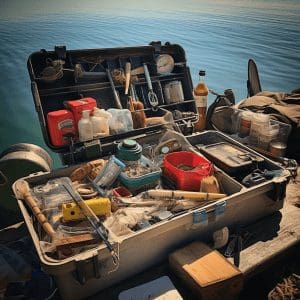
For kayak fishing for panfish, you will need some essential gear. Consider the following:
1. Fishing Rods and Reels: Choose a lightweight and versatile fishing rod and reel combination suitable for panfish. An ideal setup is a spinning rod and reel with medium power and fast action.
2. Hooks and Sinkers: Use small-sized hooks appropriate for panfish, like size 6 or 8 hooks. Carry different sinker sizes to adjust weight based on fishing conditions.
3. Lures: Panfish are attracted to small lures such as jigs, grubs, and soft plastics. Choose lures that mimic their natural prey, using colors like chartreuse, white, and black.
4. Live Bait: Live bait can be highly enticing to panfish. Consider using worms, crickets, or small minnows. Ensure proper storage and handling to keep bait fresh and lively.
5. Bobbers: Using a small-sized bobber or float can help detect fish bites without spooking them.
Remember to check local regulations for bait usage and size limits. Practice catch and release to maintain fish populations. With the right tackle and bait, you’ll be ready for a successful kayak fishing experience targeting panfish.
4. Safety Equipment
- A properly fitting and Coast Guard-approved life jacket is essential for kayak fishing. Wear it at all times for safety on the water
- Use a whistle or horn to signal other boaters in emergencies or to alert them of your presence.
- Use a bilge pump to remove water that accumulates in your kayak, especially in rough waters or heavy rain.
- Attach a paddle leash to your kayak to prevent it from floating away if dropped or capsized.
- Use an anchor system to keep your kayak stationary while fishing to stay in place without drifting.
- Always have a basic first aid kit on board for any minor injuries or accidents that may occur while kayak fishing.
Pro Tip: Check and familiarize yourself with your safety equipment before going on the water. Keep it easily accessible and properly secured to your kayak for quick and efficient use when needed.
Techniques for Kayak Fishing for Panfish
Are you ready to take your kayak fishing to the next level? In this section, we’ll dive into the exciting techniques for targeting panfish from a kayak. Discover the art of locating these feisty fish, master the art of casting and retrieving, and explore the effective presentation methods that will have panfish biting in no time. Get ready to enhance your kayak fishing skills and increase your catch count with these tried-and-true techniques!
1. Locating Panfish
When it comes to locating panfish while kayak fishing, there are several steps you can follow to increase your chances of success. First, conduct thorough research to gather information about specific bodies of water in your area where panfish are known to inhabit, such as lakes, rivers, or ponds.
Next, it’s important to identify key structures where panfish are often found. These can include submerged trees, weed beds, or rocky areas. You can look for these features on maps or visually while out on the water.
Pay close attention to the water temperature, as panfish tend to be more active in warmer waters. Target areas where the temperature is ideal for their feeding and spawning.
To aid in your search, consider using electronics such as fish finders or sonar devices. These tools can help you locate potential panfish hotspots by identifying depth changes, drop-offs, or schools of smaller fish that may indicate the presence of panfish.
Keeping an eye out for signs of panfish activity is also important. Look for surface feeding, jumping fish, or schools of small baitfish, as these can guide you to areas where panfish are actively feeding.
Experimenting with different depths is another strategy to consider. Panfish can be found at various depths depending on the time of day and water conditions. By starting fishing at different depths, you can determine where the panfish are biting.
It’s crucial to stay mobile and explore different areas if you’re not getting any bites in a particular location. Panfish can be nomadic, so it’s important to constantly adapt and try new spots.
By following these steps, you can greatly increase your chances of successfully locating panfish while kayak fishing. Remember to respect the environment and practice catch and release to preserve the panfish population for future enjoyment.
2. Casting and Retrieving
When kayak fishing for panfish, casting and retrieving are crucial for success. Here are the steps to effectively cast and retrieve while kayak fishing:
- Choose the right lure or bait for the panfish species you’re targeting. Options like small jigs, soft plastics, or live bait work well.
- Position yourself in the kayak for stability and balance before casting.
- Utilize an overhand casting motion to launch your lure towards the desired fishing spot.
- Allow the lure to sink to the desired depth or begin retrieving immediately based on panfish behavior.
- Retrieve the lure by reeling in the line steadily and consistently. Vary the speed and pauses to imitate prey movement.
- Stay alert for bites or tugs on the line. Panfish bites can be subtle, so be prepared to set the hook.
- If you don’t get a bite, consider trying different retrieval speeds, lure colors, or types, or move to a different spot.
- Repeat the casting and retrieving process, covering different areas of the fishing spot to attract panfish.
To improve your casting and retrieving technique for kayak fishing, take these suggestions into consideration:
- Practice various casting techniques, such as sidearm or roll casting, to adapt to different fishing conditions and obstacles.
- Pay attention to the depth and structure of the water you’re fishing in, as panfish often congregate around underwater structures like vegetation or rocks.
- Observe the behavior of panfish in your specific fishing location and adjust your retrieval technique accordingly.
3. Using Different Presentation Methods
Using different presentation methods is essential for successful kayak fishing for panfish. Varying your presentation helps you target different depths and areas, increasing your chances of catching panfish. Here are some presentation methods to consider:
– Float Fishing: Attach a small float or bobber to your fishing line to suspend your bait at a specific depth. This method is effective for targeting panfish near the surface.
– Bottom Bouncing: Attach a sinker or weight to your line and let it drag along the bottom as you paddle. This method is useful for targeting panfish near the lake or riverbed.
– Jigging: Cast your lure or jig vertically into the water and give it short, sharp upward motions to mimic the movement of prey. This method is great for attracting panfish in deeper waters.
– Trolling: Attach a fishing lure or bait to a line behind your kayak and paddle slowly, allowing the bait to move through the water. This method is effective for covering larger areas and locating active panfish.
By using different presentation methods, you can maximize your chances of successful catching. Stay adaptable and open to trying new techniques to enhance your fishing experience.
Tips and Tricks for Kayak Fishing for Panfish
When kayak fishing for panfish, there are several tips and tricks you can use to enhance your experience. First and foremost, choose a stable and maneuverable kayak that has ample gear storage. This will ensure that you can easily carry all of your fishing equipment.
It is also important to do some research and identify areas where panfish gather. Look for shallow waters, weed beds, or submerged structures. These are the places where panfish are likely to be found.
When it comes to bait, live bait works best for attracting panfish. Consider using worms, minnows, or small insects as bait. Using small jigs or spinners can also be effective in luring panfish.
To increase your chances of success, master your casting technique. This will allow you to accurately place your bait in tight spots or near hiding places for panfish. Remember to be patient and observant while waiting for the panfish to bite. Watch for any signs of activity in the water.
It is important to approach fishing spots quietly in order to avoid spooking the panfish. Minimize movement and noise as much as possible. Also, pay attention to weather conditions as panfish tend to be more active in the early mornings, evenings, and overcast days. Adjust your fishing schedule accordingly.
By following these tips and tricks, you can greatly increase your chances of having a successful kayak fishing trip for panfish. Remember to always respect fishing regulations and practice catch-and-release to ensure the sustainability of fish populations.
Common Panfish Species for Kayak Fishing
Looking to reel in some panfish while out on your kayak? Look no further! In this section, we’ll dive into the common panfish species that are perfect for kayak fishing. From the notorious bluegill to the elusive perch, we’ll explore the unique characteristics and habitats of each species. Get ready to discover the best techniques and strategies for hooking these panfish beauties on your next kayak fishing adventure!
1. Bluegill
Bluegill is a popular fish for kayak fishing. Bluegill can be found in freshwater lakes, ponds, and rivers. To catch bluegill, it’s essential to use the right techniques and gear.
When it comes to gear for bluegill fishing, there are a few essentials. One of them is fishing rods and reels. Another important gear item is small hooks and lightweight line. Live bait like worms or crickets is also highly effective for attracting bluegill. Bobbers or floats can be used to help keep track of your bait. Small jigs are also recommended for bluegill fishing. Having a pair of pliers for removing hooks is essential.
To successfully catch bluegill, it’s important to locate them in areas with vegetation such as weed beds or lily pads. Once you find the right spot, cast your bait near these areas and patiently wait for a nibble. It’s recommended to use a slow and steady retrieve when reeling in to entice the bluegill to bite.
If you choose to use live bait, make sure to use a small hook that matches the size of the bait. Bluegill have small mouths, so using smaller hooks will increase your chances of hooking them. Attaching a bobber or float to your line will also help keep the bait at the desired depth.
Fishing for bluegill can be both fun and rewarding due to their aggressive feeding habits. It’s important to follow local fishing regulations and practice catch and release when necessary to preserve the bluegill population in the area.
2. Crappie
Crappie is a highly sought-after fish for kayak fishing due to its plentiful numbers and delicious taste. To increase your chances of success on the water, it is crucial to have the appropriate gear and master the right techniques.
When it comes to crappie, you can find them in freshwater habitats such as lakes, ponds, rivers, and reservoirs all across North America. Their size can range from 9 to 15 inches, with some exceptional specimens reaching up to 20 inches.
To entice crappie to bite, popular bait options include live minnows, small jigs, and soft plastic baits. When kayak fishing for crappie, employing various techniques such as casting and retrieving with small jigs or utilizing presentation methods like vertical jigging or trolling can prove to be quite effective.
Crappie can be caught throughout the year, but they exhibit the highest level of activity during the spring and fall seasons when the water temperatures are moderate. It is important to stay aware of local fishing regulations and always practice catch and release to ensure the sustainability of the crappie population for future anglers.
By using light fishing rods and reels and implementing effective techniques, you can enhance your chances of having a successful crappie fishing experience.
3. Perch
When kayak fishing for perch, it is important to consider several factors. One factor to keep in mind is locating perch. Look for submerged structures such as weed beds, rocks, or fallen trees, as these are areas where perch tend to gather.
When it comes to casting and retrieving, lightweight spinning or baitcasting rods are recommended. It is also advisable to use small jigs, spinners, or even live bait. Keep the retrieve slow and steady in order to mimic injured prey, which is appealing to perch.
Another tip to enhance your kayak fishing experience for perch is to try different presentation methods. Experiment with vertical jigging, drop-shotting, or using float rigs to determine the most effective technique for perch in your specific area.
In order to ensure a successful and enjoyable trip, it is worth investing in high-quality gear. Choose a stable and maneuverable kayak, a comfortable paddle, and reliable fishing rods and reels. These will help improve your chances of a productive outing.
Consider using fish finders to locate perch schools more effectively. A fish finder can greatly increase your chances of finding a good spot to fish.
It is important to practice catch and release. Releasing the fish you catch helps sustain the perch population for future anglers.