Understanding the Predators of Fish in Ponds: Which Animals Feed on Fish?

Ponds are often teeming with life, and fish play a crucial role in the pond ecosystem. They serve as an essential prey for many other animals, making them an integral part of the food chain. In this article, we will explore the various animals that feed on fish in ponds, as well as their adaptations for catching their prey.
Key takeaways:
- Birds prey on fish in ponds: Birds such as herons, ospreys, and kingfishers feed on fish found in ponds, using their sharp beaks or diving abilities to catch them.
- Mammals that eat fish in ponds: Some mammals, like otters and raccoon, are skilled hunters that catch fish in ponds using their agility and swimming abilities.
- Reptiles as fish predators: Reptiles like alligators and snakes also eat fish in ponds, using stealth and ambush techniques to capture their prey.
Fish in Ponds: An Essential Prey
Fish in ponds serve as an essential prey for a variety of animals. Here are some examples:
- Heron: These majestic birds wade into ponds, patiently waiting for fish to swim by before striking with lightning-fast precision.
- Otter: With their sleek bodies and webbed feet, otters are excellent swimmers that rely on fish as a primary food source.
- Raccoon: These clever mammals have been known to dip their paws into the water to catch fish, making them skilled fishermen.
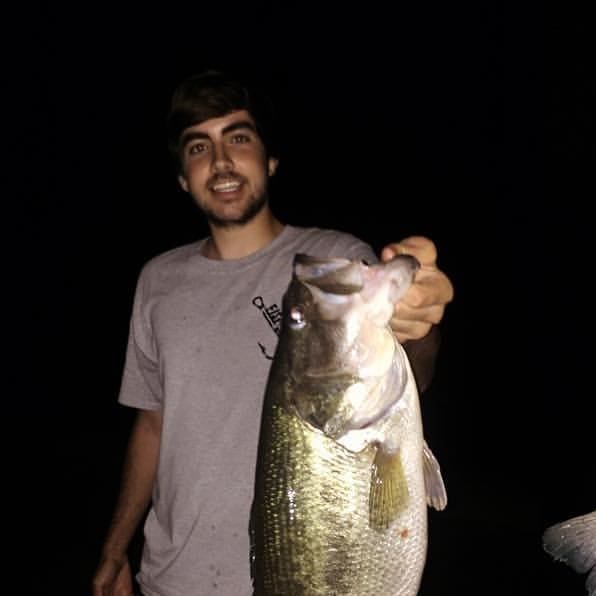
- Great Bluegill: These large, predatory fish often feed on smaller fish species found in ponds, creating a natural food chain.
One summer, a family of ducks made a pond their home. They swam freely, feasting on the abundance of fish. The ducks thrived, growing strong and healthy, thanks to the fish in the pond: an essential prey.
What Types of Fish are Found in Ponds?
What Types of Fish are Found in Ponds?
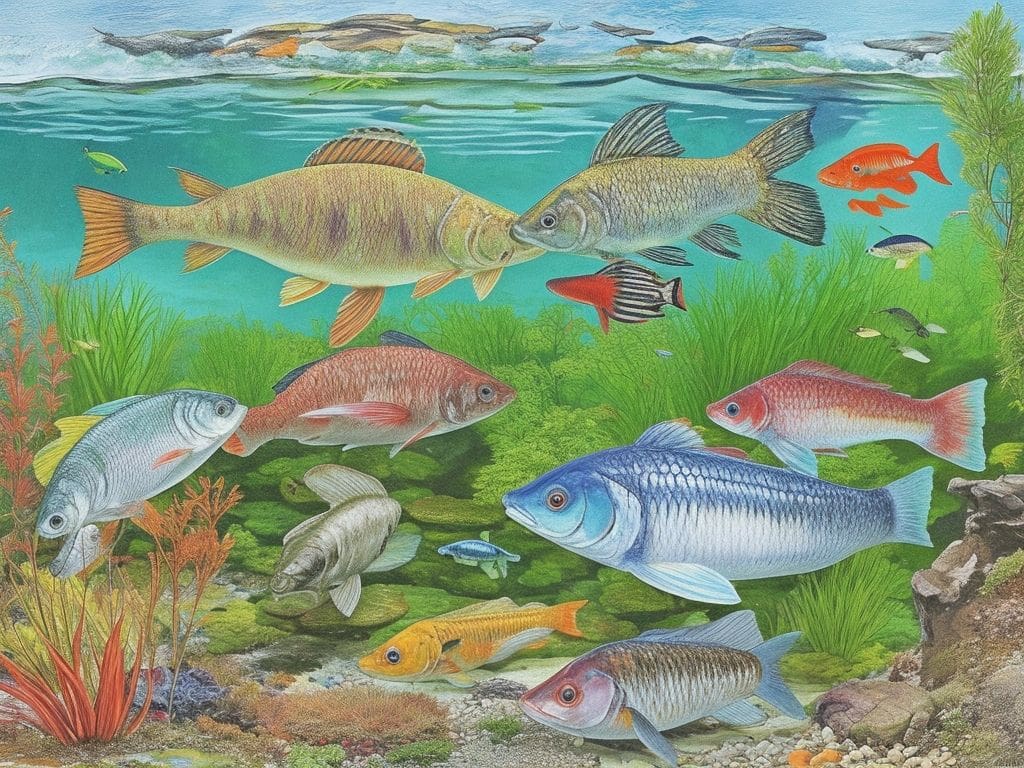
In ponds, there is a diverse range of fish species, each showcasing distinct characteristics and adaptations. Among the commonly observed fish in these freshwater habitats are bass, catfish, sunfish, and trout. These fish have adapted well to the pond environment and can thrive under varying conditions. Bass are known for their aggressive predatory behavior, while catfish are specialized bottom feeders. Sunfish, on the other hand, attract attention with their vibrant colors and are quite popular among anglers. Trout, valued for their delicious taste, are frequently stocked in ponds for fishing purposes. Adequate knowledge about the different fish species found in ponds is crucial for effectively managing and preserving the health of aquatic ecosystems.
Animals That Feed on Fish in Ponds
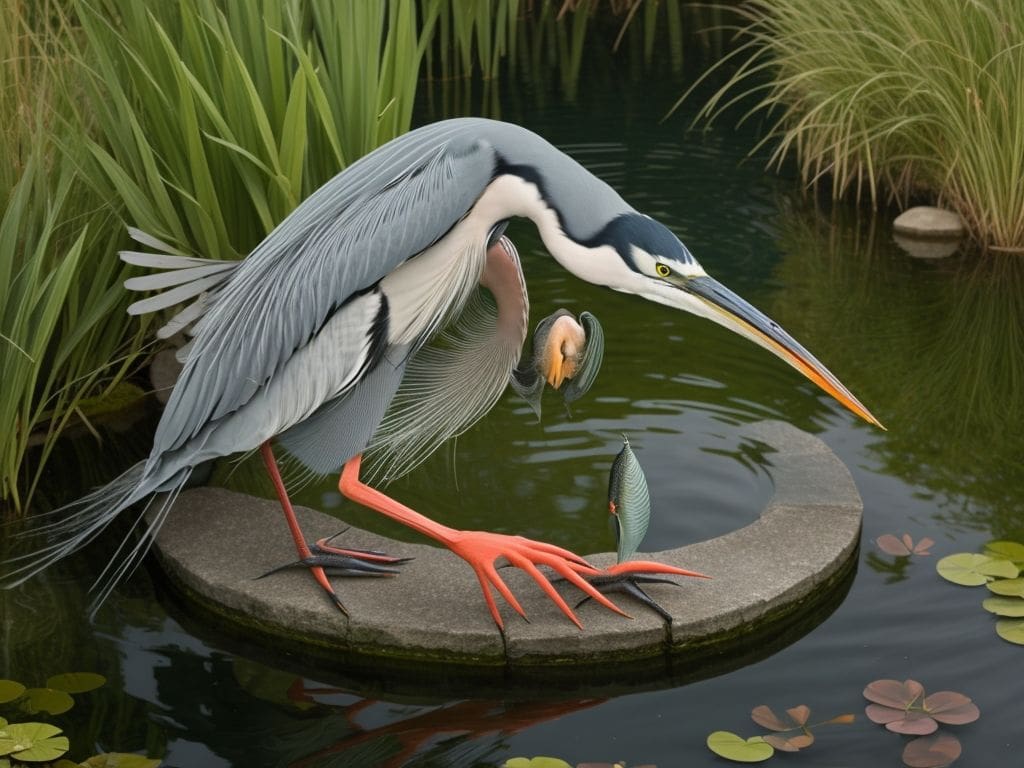
Discover the fascinating world of the creatures that feast on fish in ponds. We’ll take a closer look at the various animals that rely on fish as a significant part of their diet. From the elegant birds gliding above the water to the agile mammals that swim beneath its surface, and even the stealthy reptiles lurking in the shadows – each sub-section will unveil the unique feeding habits and adaptations of these remarkable predators. So, let’s dive into the thrilling realm of pond-dwelling predators and uncover the secrets of their aquatic feasts!
Birds
Birds are a significant group of predators in pond ecosystems, playing a crucial role in controlling fish populations and maintaining the balance of the ecosystem. Below is a listing of common birds that feed on fish in ponds, along with their hunting techniques:
| Bird Species | Hunting Technique |
| Heron | Stalks prey slowly, then strikes swiftly with its long bill |
| Osprey | Dives from the sky to catch fish with its sharp talons |
| Kingfisher | Perches near the water and dives headfirst into the pond to snatch fish |
| Egret | Wades in shallow water, striking at fish with its spear-like bill |
To protect fish populations in ponds, it is essential to preserve wetland habitats and establish buffer zones around them. Pond owners can install bird nets or decoys to deter predatory birds and ensure the survival of fish populations.
Mammals
Mammals are one of the main predators that feed on fish in ponds. They have adapted different hunting techniques to catch their prey. Some mammals, like otters and minks, are skilled swimmers and use their agility to chase and capture fish underwater. Others, like raccoons and herons, use their precision and patience to fish near the pond’s edge. Muskrats, on the other hand, construct dens near the water and ambush fish as they swim by. These mammals play a crucial role in maintaining the balance of pond ecosystems as they help control fish populations and prevent overgrowth.
A family of river otters was once spotted in a pond, delighting onlookers with their playful fishing antics. These agile mammals displayed remarkable swimming skills as they dived, chased, and caught fish with incredible speed and precision. It was a stunning display of nature’s adaptation and a reminder of the intricate web of life in pond ecosystems.
Reptiles
Reptiles play a significant role as predators in pond ecosystems. They have unique adaptations that allow them to capture and consume fish efficiently. Here is a table summarizing some common reptiles that are known to feed on fish in ponds:
| Reptile | Examples |
|---|---|
| Snakes | Water snakes, garter snakes, and ribbon snakes |
| Turtles | Painted turtles, snapping turtles, and softshell turtles |
| Alligators and Crocodiles | American alligators and Nile crocodiles |
These reptiles have specialized hunting techniques, such as ambushing their prey from the water’s edge or using stealth to surprise fish in the water. They are important for maintaining ecological balance in pond ecosystems.
In order to control pond predators, pond owners can consider implementing measures such as adding fish shelters, creating a balanced ecosystem, and using physical barriers. It is crucial to maintain a healthy predator-prey balance for the overall health of the pond.
Remember to consult with local wildlife authorities or professionals for specific recommendations on managing predation in your pond. By understanding the role reptiles play and taking appropriate measures, you can help ensure a thriving and diverse pond ecosystem.
Adaptations for Catching Fish in Ponds
Adaptations for catching fish in ponds vary among different animals, enabling them to effectively capture their prey. These adaptations include a variety of strategies:
- Predatory fish such as bass and pike have developed sharp teeth that help them grip and puncture their prey.
- Animals like herons and egrets have camouflage abilities, blending into the environment with their long legs and necks. This allows them to approach fish unnoticed.
- Otters and kingfishers possess remarkable speed and agility in the water. Their streamlined bodies enable them to swiftly chase and catch fish.
- Certain species of turtles and amphibians have evolved powerful jaws that employ suction feeding. This adaptation allows them to inhale fish that are close to them.
- Birds like cormorants and pelicans have developed net-like beaks with expandable pouches. This unique feature enables them to catch and store multiple fish at once.
These various adaptations contribute to the success of animals in catching fish in ponds.
How do Birds Catch Fish in Ponds?
Birds employ various techniques to catch fish in ponds. When it comes to catching fish in ponds, birds have developed a wide array of strategies.
Some birds, such as herons and egrets, possess long legs and necks that enable them to wade through shallow water effortlessly. Using their sharp beaks, they skillfully spear fish. Incredible as it may seem, these birds also demonstrate exceptional patience by standing completely still for extended periods, eagerly awaiting the perfect moment to strike.
On the other hand, certain types of birds, like kingfishers, take a different approach. They perch high above the water and then dive into it headfirst. Utilizing their streamlined shape and sharp beaks, they swiftly snatch fish from the water’s surface.
Additionally, birds like ospreys and bald eagles rely on the strength of their talons to clutch fish whether they are in flight or on the water. As a way to improve their chances of success, birds rely heavily on their remarkable eyesight, using it to detect fish beneath the water’s surface before initiating their hunting technique.
Ultimately, birds display an impressive range of skills when it comes to catching fish in ponds.
How do Mammals Hunt Fish in Ponds?
How do Mammals Hunt Fish in Ponds?
Mammals utilize different techniques to hunt fish in ponds. Some mammals, like otters, are excellent swimmers and divers. They patiently wait near the edges of the pond and then swiftly dive into the water to catch fish. Others, like raccoons, use their sharp claws to snatch fish from the shallow areas of the pond. Some mammals, such as herons, have adapted long legs and necks which allow them to wade through the water and snatch fish using their beaks. The hunting techniques of mammals in ponds are diverse and fascinating.
How do Reptiles Capture Fish in Ponds?
Reptiles capture fish in ponds through a series of strategic adaptations. If you’re wondering, “How do Reptiles Capture Fish in Ponds?”, here are the steps they take:
- Camouflage: Reptiles blend into their surroundings, making them difficult for fish to detect.
- Ambush: They patiently wait for fish to swim close before striking swiftly.
- Quick Reflexes: Reptiles have lightning-fast reflexes, allowing them to snatch fish in an instant.
- Stealth: They move slowly and silently, minimizing disturbances that could alert fish to their presence.
- Sharp Teeth or Beak: Reptiles have specialized teeth or beaks designed to grip and secure their prey.
To prevent reptiles from capturing fish in ponds, one can consider installing barriers or netting to restrict access. Creating hiding places for fish can help protect them from predators. Remember to consult local wildlife authorities for advice on protecting wildlife while managing ponds.
Other Predators in Pond Ecosystems
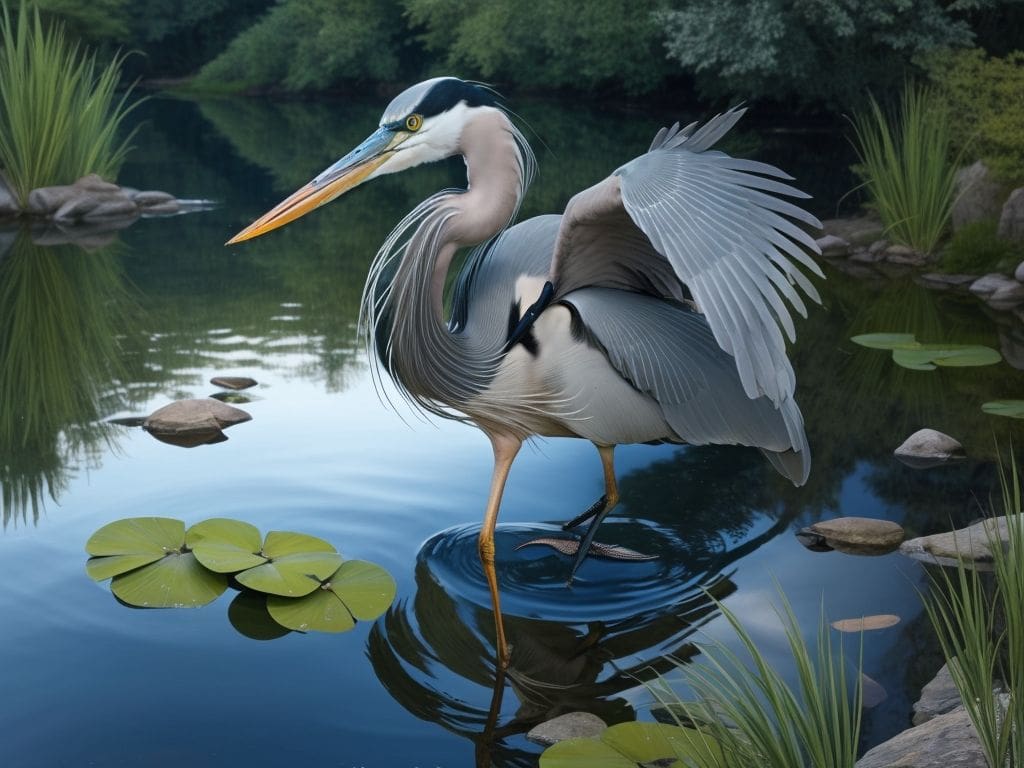
In the diverse and fascinating world of pond ecosystems, there are some hidden predators that often go unnoticed. In this section, we’ll uncover the secrets of other predators in ponds, focusing on two key players: insects and amphibians. Prepare to delve into the intriguing aspects of their hunting behaviors and their crucial role in maintaining the balance of pond life. So, let’s dive in and discover the lesser-known predators that contribute to the diversity and complexity of these watery habitats.
Insects
Insects play a crucial role in the predator-prey dynamics of pond ecosystems. They are an important group of predators that feed on fish in ponds. Insects, such as dragonfly nymphs, water beetles, and diving beetles, contribute significantly to the overall balance and stability of the ecosystem. These specialized insects have adaptations that allow them to hunt and capture fish underwater. By regulating fish populations and preventing overpopulation, they help maintain the health and stability of pond ecosystems. Thus, controlling insect populations is essential for the well-being and equilibrium of the entire ecosystem.
Amphibians
Amphibians play a crucial role in the pond ecosystem by feeding on fish. They have unique adaptations that allow them to catch and consume fish as part of their diet.
| Amphibian Species | Feeding Behavior |
|---|---|
| Frogs | They use their long tongues to quickly snatch fish from the water. |
| Newts | They have sharp teeth and powerful jaws, enabling them to capture and consume fish. |
| Salamanders | Some salamanders have well-developed jaws and teeth, allowing them to actively hunt and consume fish. |
Amphibians not only help control fish populations in ponds but also contribute to the overall balance and health of the ecosystem. As predators, they prevent the unchecked growth of fish populations, thus preventing overcrowding and competition for resources. This leads to a more sustainable and thriving pond ecosystem.
Additional Pond Predators and Control Measures
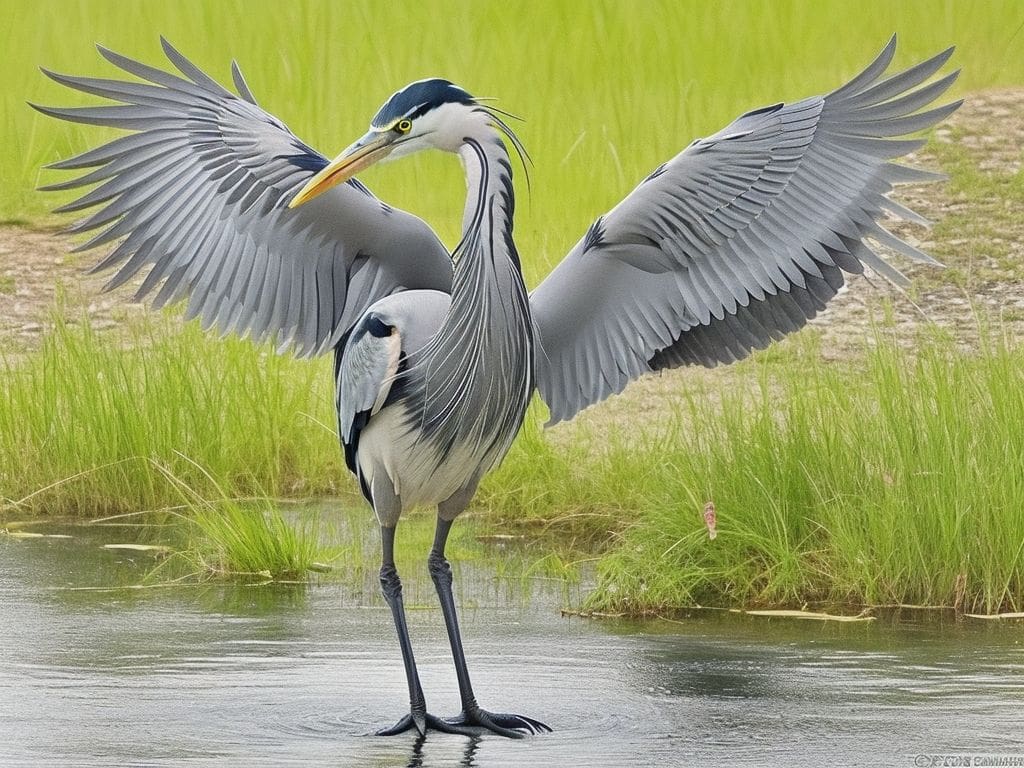
Photo Credits: Jordanlikesfish.Com by Timothy Flores
- In addition to fish-eating animals like birds and otters, there are several other predators that can threaten fish in ponds:
- Crustaceans such as crayfish can prey on fish eggs and young fry.
- Turtles are known to eat small fish and can cause significant damage to fish populations.
- Water snakes and some species of frogs and toads can also consume fish.
To control these additional pond predators, there are several measures you can take:
- Install protective barriers like netting to prevent access to the pond.
- Stock the pond with larger, predatory fish species that can keep the population of smaller predators in check.
- Create hiding places for fish, such as submerged plants or underwater structures, to provide protection.
- Maintain a healthy ecosystem with balanced vegetation and water quality to discourage predators from thriving.
Additional Pond Predators and Control Measures
- In addition to fish-eating animals like birds and otters, there are several other predators that can threaten fish in ponds:
- Crustaceans such as crayfish can prey on fish eggs and young fry.
- Turtles are known to eat small fish and can cause significant damage to fish populations.
- Water snakes and some species of frogs and toads can also consume fish.
To control these additional pond predators, there are several measures you can take:
- Install protective barriers like netting to prevent access to the pond.
- Stock the pond with larger, predatory fish species that can keep the population of smaller predators in check.
- Create hiding places for fish, such as submerged plants or underwater structures, to provide protection.
- Maintain a healthy ecosystem with balanced vegetation and water quality to discourage predators from thriving.
Impact of Climate Changes on Pond Predators