How to unfreeze your fish pond: Essential steps to take
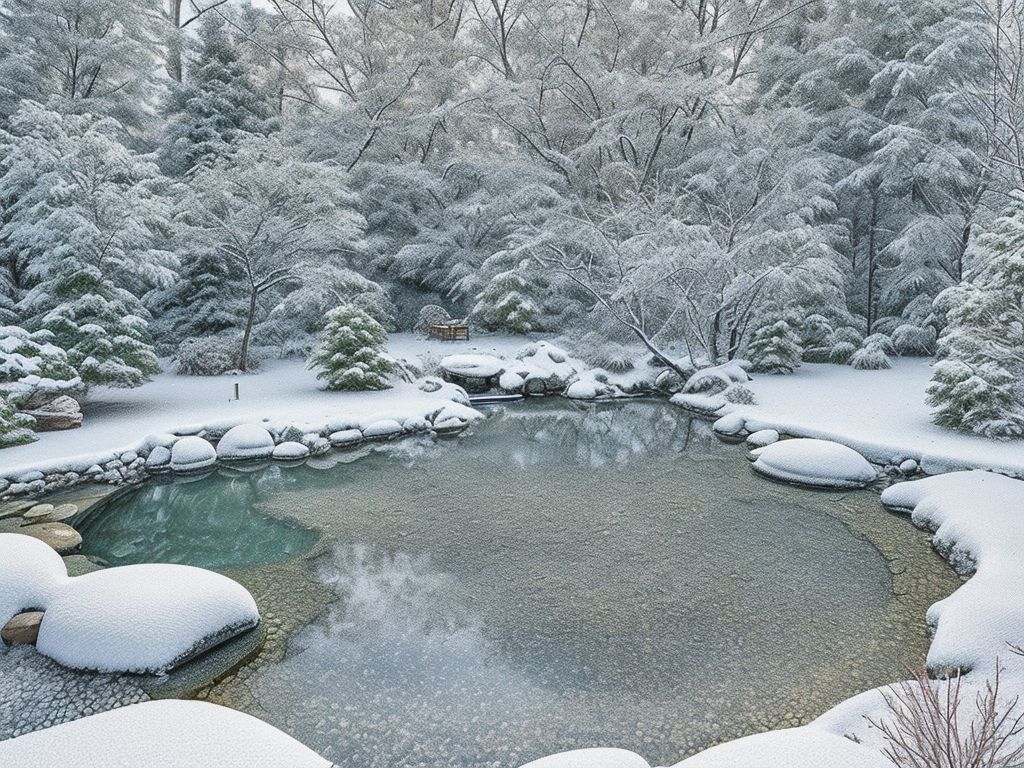
A frozen fish pond can be a cause of concern for pond owners, as it poses risks to the well-being of the fish and the overall health of the pond ecosystem. Understanding the phenomenon of a frozen fish pond is crucial in order to take appropriate measures and ensure the survival of your aquatic pets. In this article, we will explore the reasons behind fish pond freezing, the associated risks, and the steps to take when your fish pond is frozen.
Key takeaways:
- Assess the level of freezing: Before taking any action, determine how much of your fish pond is frozen to understand the severity of the situation.
- Create an opening in the ice: Gently break the ice to provide a small opening for the exchange of gases, allowing fish to access oxygen and release harmful gases trapped beneath the ice.
- Provide oxygen to the fish: Use aeration devices or air stones to maintain oxygen levels in the water and prevent suffocation of the fish during the freezing period.
Understanding Frozen Fish Ponds
Understanding frozen fish ponds is essential for pond owners to guarantee the well-being of their fish during winter. In order to navigate a frozen fish pond, follow these important steps:
- Do not break the ice: Breaking the ice can cause harm to the fish and disrupt their environment.
- Create an opening in the ice: Use a pond heater or floating deicer to establish a small hole in the ice for oxygen exchange.
- Monitor the water temperature: Invest in a pond thermometer to keep track of the water temperature and ensure it remains above freezing.
- Aerate the pond: Use a pond aerator to maintain optimal oxygen levels in the water, ensuring the fish’s health.
- Consider preventative measures: Install a pond cover or utilize insulating materials to reduce the likelihood of the pond freezing over.
Why Do Fish Ponds Freeze?
Fish ponds freeze due to low temperatures and colder weather conditions. When the temperature drops below freezing, the water in the pond begins to cool down, causing ice formation. Factors such as pond depth, size, location, and exposure to wind or sunlight can affect the rate at which ponds freeze. The presence of plants, debris, or fish in the pond can also contribute to the freezing process. It is important for pond owners to take necessary precautions, such as installing heaters or aerators, to prevent the pond from freezing completely and harming the fish and aquatic life.
What Factors Contribute to Fish Pond Freezing?
Several factors contribute to the freezing of fish ponds. The main factor that plays a role in this phenomenon is the external temperature. Ponds freeze when the temperature drops below the freezing point. In addition, the depth of the pond and the presence of vegetation or other objects that can impede water circulation are also contributing factors. Furthermore, the location of the pond, particularly shaded areas, can result in faster freezing. It is worth noting that the shape and design of the pond can also influence the rate of freezing. When these factors are combined, they can lead to the formation of ice in the fish pond, which poses risks to the fish and overall pond health.
What Are the Risks of a Frozen Fish Pond?
- What Are the Risks of a Frozen Fish Pond?: When a fish pond freezes, several risks can arise that can harm the fish and disrupt the ecosystem.
- Lack of oxygen: As the pond freezes, oxygen exchange becomes limited, potentially leading to a drop in oxygen levels that fish need to survive.
- Poor water quality: The build-up of toxins beneath the ice can result in poor water quality, affecting the health of the fish.
- Decreased food supply: With the pond frozen, the fish may struggle to find food, leading to malnourishment.
- Danger of predation: A frozen pond can attract predators, such as birds and mammals, who can easily access the fish beneath the ice.
Fact: In extremely cold conditions, fish can survive in frozen ponds by entering a state of dormancy called torpor, slowing down their metabolism to conserve energy.
Steps to Take When Your Fish Pond is Frozen
When your fish pond is frozen, you need to act fast to ensure the well-being of your finned friends. In this section, we’ll explore the essential steps you can take to address this common winter challenge. From assessing the level of freezing to creating an opening in the ice, providing oxygen to the fish, and preventing further freezing, we’ll equip you with the knowledge and techniques needed to handle a frozen fish pond with care.
1. Assess the Level of Freezing
To effectively address a frozen fish pond, it is crucial to assess the level of freezing. In this case, John noticed his fish pond was frozen solid, so he quickly assessed the level of freezing and realized the ice was around 6 inches thick. To determine the thickness of the ice layer, he carefully measured it with a ruler, as suggested. Having determined the thickness, he then decided to take appropriate action to prevent further freezing and harm to his fish.
For a thinner layer of ice, like in this case, simple steps such as breaking the ice manually or using warm water to create an opening might suffice. However, due to the thickness of the ice in John’s pond, he needed more extensive measures. Therefore, he chose to use a combination of breaking the ice manually, as he employed physical force to break the thick ice layer, and placing a de-icer in the pond.
By incorporating these measures, John successfully addressed the freezing problem and prevented any harm to his fish. His quick action shows the importance of assessing the level of freezing and taking appropriate action according to the severity of the freeze.
2. Create an Opening in the Ice
To safely create an opening in the ice of a frozen fish pond, follow these steps:
- Before attempting to break the ice, assess its thickness to ensure it is safe to work on.
- Use either a handheld ice chisel or an ice auger to carefully create a hole in the ice. Begin from the edge and gradually work your way towards the center.
- Break the ice by striking it with the chisel or by drilling through it with the auger. Take care not to harm any fish or damage the pond liner.
- Prevent any broken ice debris from obstructing the water flow by removing it from the hole.
- Throughout the winter, you can maintain an opening in the ice by considering the use of a floating de-icer or heater.
Remember to exercise caution while performing these steps to ensure your safety as well as the well-being of the fish in the pond.
3. Provide Oxygen to the Fish
In the unfortunate event of a frozen fish pond, providing oxygen to the fish is crucial for their survival. Here are some steps to follow:
- Assess the level of freezing to determine the severity of the situation.
- Create an opening in the ice to allow for oxygen exchange. You can use an ice saw or a hot pot to melt the ice gently.
- Ensure to provide oxygen to the fish by using a pond aerator or connecting an air stone to an air pump.
- Prevent further freezing by insulating the pond with a floating covering or utilizing a pond heater.
Pro-tip: You can also enhance the oxygen levels and aid the melting of ice by placing a shallow dish with warm water in the pond.
4. Prevent Further Freezing
- To prevent further freezing in a fish pond, follow these steps:
- Remove any snow accumulation on the ice to prevent insulation.
- Use a pond heater or de-icer to prevent ice formation and keep a small area of the water surface ice-free.
- Place a floating aerator or air stone in the water to agitate the surface and prevent ice formation.
- Install a pond circulator or fountain to keep the water moving and prevent ice formation.
Implementing these measures will help maintain a stable water temperature, prevent further freezing, and ensure the well-being of the fish in the pond.
Prevention Tips for Future Freezing
Looking to prevent future freezing of your fish pond? Look no further! In this section, we’ll explore some practical tips that will help safeguard your pond from freezing over. From installing a reliable de-icer to utilizing aeration devices and keeping the water circulating, we’ll cover all the effective strategies you need to know. Plus, we’ll also discuss the option of relocating your fish during extreme cold spells. Get ready to keep your fish pond thriving all year round!
1. Install a De-Icer
- Install a De-Icer: To prevent fish pond freezing and maintain a healthy environment for your aquatic pets, it is important to install a de-icer. Here’s how to do it:
- Choose the right de-icer: Select a de-icer based on the size of your pond and the expected freezing conditions.
- Find the ideal location: Place the de-icer near the center or in the deepest part of the pond to ensure proper water circulation.
- Secure the de-icer: Attach the de-icer to a float or anchor it to the pond’s edge to prevent it from sinking.
- Adjust the depth: Set the de-icer at the correct depth to create a small opening in the ice, allowing gases to escape and preventing complete freezing.
- Monitor regularly: Check the de-icer regularly to ensure it is functioning correctly and keeping the pond open.
By installing a de-icer, you can maintain a stable water temperature and protect your fish from the dangers of a frozen pond.
2. Use Aeration Devices
Using aeration devices is an effective method to prevent fish ponds from freezing. Here are the steps to effectively use these devices:
- Select the appropriate size and type of aeration device for your fish pond.
- Install the device according to the manufacturer’s instructions, ensuring proper placement and alignment.
- Turn on the aeration device to add oxygen to the water, preventing ice formation.
- Monitor the device regularly to ensure it is functioning properly and adjust settings if needed.
- Consider using additional aeration devices for larger fish ponds or those prone to freezing.
In the early 1900s, fishermen in cold regions discovered the benefits of using aeration devices in their frozen fish ponds. By introducing air circulation and preventing ice formation, they were able to maintain healthier fish populations throughout the winter months. This innovative approach to fish pond management revolutionized the industry and continues to be an essential practice for fish enthusiasts today.
3. Keep The Water Circulating
Keeping the water circulating in a fish pond is crucial to prevent freezing and maintain a healthy environment for the fish. Here are some natural ways to achieve this:
| 1. Use a water pump | Install a water pump in your fish pond to create movement and circulation. This will help prevent the water from becoming stagnant and freezing. |
| 2. Add a fountain or waterfall | Consider incorporating a fountain or waterfall feature in your fish pond. The constant flow of water will keep it from freezing by introducing movement and oxygenation. |
| 3. Keep The Water Circulating | Another option is to use air diffusers or bubblers in the pond. These devices release small bubbles of air, which create surface movement and promote water circulation. |
| 4. Keep the water depth adequate | Avoid shallow areas in the pond, as they are more prone to freezing. Aim for a depth of at least 2 feet to ensure the water remains at a suitable temperature for the fish. |
To maintain the water circulation in your fish pond, it’s important to regularly clean and maintain the equipment you use. Be mindful of the weather conditions and adjust the circulation methods accordingly. By keeping the water moving, you can prevent freezing and create a healthy habitat for your fish.
4. Consider Relocating Fish in Extreme Cold
When faced with extreme cold and a frozen fish pond, it may be necessary to consider relocating the fish to ensure their survival. Here are some steps to follow in this situation:
- Assess the severity of the cold weather and the condition of the pond.
- Prepare a suitable temporary holding tank or a warmer location for the fish.
- Gradually acclimate the fish to the new environment by adjusting water temperature and quality.
- Carefully transfer the fish to the temporary tank, ensuring their safety and minimizing stress.
- Provide necessary heating and filtration systems in the temporary tank to maintain optimal conditions.
- Regularly monitor the fish in the new location and take necessary steps to improve their comfort and well-being.
Remember, in extreme cold situations where the pond is at risk of long-term freezing, it may be necessary to consider relocating fish. It’s important to consult with experts and follow appropriate procedures to ensure the safety and health of the fish.