Calculating Fish Population in a 2 Acre Pond: A Guide
Factors Affecting the Number of Fish in a Pond
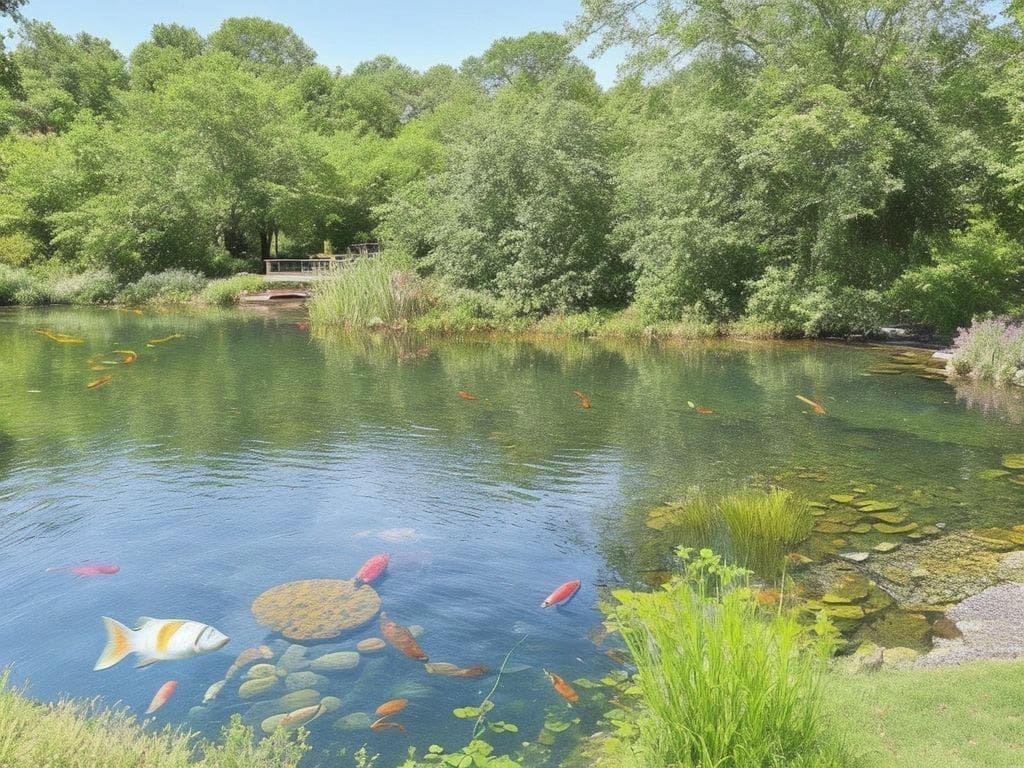
Did you know that the number of fish in a pond is influenced by several factors? In this section, we will explore the various elements that play a role in determining the fish population in a pond. From the size of the pond to the type of fish, water quality, availability of food, and the environmental conditions, each of these factors significantly impacts the abundance of fish. Get ready to dive into the fascinating world of factors that affect the number of fish in a pond!
Size of the Pond
The size of the pond is a crucial factor in determining the number of fish it can support. A larger pond generally has more space, allowing for a larger fish population. A smaller pond, on the other hand, has limited space and may only support a smaller number of fish.
When considering the size of the pond, it is important to take into account the surface area, depth, and shape of the pond. These factors affect the available habitat, oxygen levels, and overall carrying capacity of the pond.
To effectively manage the fish populations and ensure the health and sustainability of the ecosystem, experts recommend consulting stocking rate guidelines that consider the size of the pond. By incorporating the size of the pond into the decision-making process, the appropriate number of fish can be determined.
Type of Fish
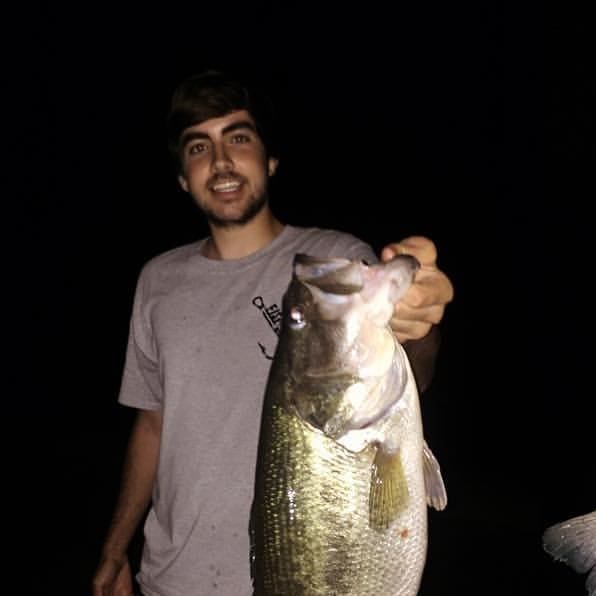
Different types of fish have varying characteristics and requirements, making it crucial to carefully consider the type of fish you want to keep for your pond. By understanding the specific type of fish you are interested in, such as goldfish, koi, catfish, bass, or trout, you can ensure compatibility and create a balanced and successful pond ecosystem. Each type of fish, from hardy and colorful goldfish to larger and more maintenance-intensive koi, has its own specific needs and preferences. For example, catfish are ideal for controlling algae and insects in ponds with warmer waters, while bass are popular for fishing and require ample space and oxygen levels in the pond. Cold-water species like trout need well-oxygenated water and sufficient food sources to thrive. So, when selecting fish for your pond, it is important to consider the species, size, and behavior of the fish to ensure their well-being and the overall health of your pond.
Water Quality
Achieving and maintaining good water quality in a pond is crucial for ensuring a healthy fish population. Numerous factors, including oxygen levels, pH balance, temperature, and nutrient levels, contribute to the overall water quality. To ensure optimal conditions, here are some indispensable tips:
- Regularly test the water: It is essential to check the pH, oxygen, and nutrient levels on a consistent basis. This will help identify any imbalances and allow for prompt corrective measures.
- Proper aeration: Adequate oxygen levels are vital for the survival of fish. Installing aerators or fountains can significantly increase oxygen levels and prevent oxygen depletion, ultimately sustaining a healthy aquatic environment.
- Control algae and weed growth: Excessive algae and weeds can deplete oxygen levels and disrupt the delicate ecosystem in the pond. Implementing appropriate methods to control their growth is crucial.
- Avoid overfeeding: Overfeeding fish can result in an excess of nutrients in the water, leading to water quality issues. To prevent nutrient overload, it is advisable to feed fish sparingly.
- Manage waste: Periodically remove excess waste and debris from the pond. This will prevent nutrient buildup and ultimately enhance the water quality.
By adhering to these tips and maintaining good water quality, you can ensure a thriving fish population in your pond, promoting their growth and overall health.
Availability of Food
| The availability of food | is a crucial factor in determining the number of fish in a pond. Adequate food supply supports their growth and reproduction. Factors influencing food availability include natural production, supplemental feeding, and competition from other organisms. |
| Factors | Description |
| Natural Production | Includes plankton, aquatic insects, and plant material that serve as food sources for fish. |
| Supplemental Feeding | Introducing additional food like pellets or live prey to boost fish growth and enhance population. |
| Competition | Presence of other aquatic organisms competing for the same food resources, affecting availability for fish. |
Maintaining a balanced food supply is vital for a healthy fish population. Regular monitoring and appropriate management strategies can ensure an adequate food supply for the fish in a pond.
Environmental Conditions
Environmental conditions play a vital role in determining the number of fish in a pond. These conditions include factors such as temperature, oxygen levels, pH balance, and sunlight exposure. Fish species have specific requirements for these conditions, and they must be maintained within optimal ranges for the fish to thrive. Regularly monitoring and adjusting these conditions are essential for achieving a healthy fish population. For instance, certain species may need warmer temperatures, while others may prefer cooler waters. By providing the appropriate environmental conditions, pond owners can establish a suitable habitat for the fish to grow and reproduce, guaranteeing the sustainability of the population.
Pro-tip: Consistently monitoring and maintaining proper environmental conditions can significantly enhance fish health and promote population growth in a pond.
Calculating Fish Stocking Density

Calculating fish stocking density in a 2-acre pond can be a tricky task, but fear not! We’ve got you covered in this section. We’ll explore the rule of thumb for stocking fish, the benefits of biomanipulation techniques, and why consulting experts is crucial. Get ready to dive into the nitty-gritty of fish stocking to ensure your pond is teeming with the ideal number of fish. Get those calculators ready, folks!
Rule of Thumb
The “Rule of Thumb” is a simplified method commonly used to estimate the appropriate stocking density for fish in a pond. Here are some key points to consider:
- Assess pond size: Determine the surface area of the pond to calculate the stocking density.
- Consider species: Different fish species have varying space requirements and growth rates.
- Factor in ecosystem: Take into account the natural balance of predator and prey species in the pond.
- Balance oxygen levels: Avoid overcrowding the pond to ensure sufficient oxygen supply.
Biomanipulation
Biomanipulation is a technique used to manage fish populations in ponds. It involves manipulating the existing fish community to improve water quality and control the growth of unwanted species. This can be achieved by either adding or removing certain fish species. By introducing predators that feed on undesired species, such as bass or catfish, the balance of the ecosystem can be restored. Biomanipulation also helps to enhance water clarity and reduce algal blooms. It is important to consult experts and consider the specific characteristics of the pond before implementing biomanipulation techniques. This method can be a useful tool for maintaining a healthy and sustainable fish population in a 2-acre pond.
Consulting Experts
When it comes to managing the fish population in a pond, seeking guidance from consulting experts is of utmost importance. These professionals possess the necessary knowledge and experience to offer valuable insights and assistance. They possess the ability to evaluate the specific characteristics of your pond, including its size, water quality, and environmental conditions, in order to determine the most appropriate stocking density. Consulting experts can also provide assistance in regularly monitoring the fish population, assessing their growth and well-being, as well as addressing any concerns related to predator-prey imbalances. By relying on their expertise, you can ensure the optimal management of your pond and the sustainability of the fish population.
Determining the Number of Fish in a 2-Acre Pond

Determining the number of fish in a 2-acre pond is a fascinating endeavor. In this section, we’ll dive into the various factors that come into play when calculating the fish population. From stocking rate guidelines to adjustments based on pond characteristics, we’ll explore the key considerations involved in maintaining a healthy and thriving aquatic ecosystem. We’ll delve into the significance of growth and survival rates to gain a comprehensive understanding of how to effectively manage fish populations in a 2-acre pond.
Stocking Rate Guidelines
The stocking rate for fish in a pond depends on several factors that ensure the optimal growth and health of the fish population. Here are some guidelines to consider:
| Factors | Stocking Rate Guidelines |
| Pond Size | 1,000 fingerlings per surface acre |
| Type of Fish | Varies based on species and their characteristics |
| Water Quality | Ensure adequate oxygen levels and proper pH balance |
| Availability of Food | Allow for enough natural food sources or supplement with feed |
| Environmental Conditions | Consider factors like temperature, sunlight, and vegetation |
Following these stocking rate guidelines will help maintain a balanced fish population in a 2-acre pond, allowing for optimal growth and reproduction. Regular monitoring and adjustments may be necessary to manage the fish population effectively.
Adjustments for Pond Characteristics
When determining the number of fish in a pond, it’s important to take into account the specific characteristics of the pond. Here are some adjustments for pond characteristics to consider:
- Pond size: Larger ponds can typically support a greater number of fish.
- Water depth: Deeper ponds provide more habitat and space for fish.
- Water temperature: Different fish species thrive in different temperature ranges.
- Water quality: Fish require clean and oxygenated water to thrive.
- Presence of vegetation: Vegetation provides shelter and food sources for fish.
By considering these adjustments for pond characteristics, you can ensure the optimal fish population for your pond.
Did you know that the presence of aeration systems in a pond can significantly benefit fish populations by improving oxygen levels and water circulation?
Considering Growth and Survival Rate
| Considering Growth and Survival Rate: | |
| Proper management of growth and survival rate is crucial when managing fish populations in a pond. Here is a table outlining factors to consider: | |
| Factor | Explanation |
| 1. Stocking Rate | Determine the number of fish to stock based on the pond’s size and species of fish. |
| 2. Food Availability | Ensure there is an adequate food supply to support the growth and survival of the fish population. |
| 3. Water Quality | Maintain clean and oxygen-rich water to promote healthy growth and survival of the fish. |
| 4. Predator Control | Implement measures to control predator populations that may pose a threat to fish survival. |
| 5. Monitoring | Regularly monitor the fish population’s growth and health to make necessary adjustments. |
Fact: Proper management of growth and survival rate can lead to a thriving fish population and a healthy ecosystem in the pond.
Managing Fish Population in a 2-Acre Pond
In the quest to manage fish population in a 2-acre pond, it’s crucial to employ effective strategies. This section unravels the secrets to maintaining a thriving fish community in your pond. From regular monitoring to assessing growth and health, and controlling predator and prey populations, we’ll explore the necessary steps to ensure a balanced and sustainable aquatic ecosystem. With the right approach, you’ll discover how to cultivate an abundant and healthy fish population in your 2-acre pond. So, let’s dive in and uncover the secrets of successful fish population management!
Regular Monitoring
- Regular monitoring is crucial for managing fish populations in a pond. Here are the steps involved in regular monitoring:
- Observe the fish population regularly to assess their numbers and health.
- Monitor the growth rates of the fish to ensure they are growing at a healthy rate.
- Check the overall health of the fish, looking for any signs of disease or stress.
- Keep track of the predator and prey populations in the pond to maintain a balanced ecosystem.
- Record any changes in water quality, such as temperature, pH levels, and oxygen levels.
- Take note of any changes in the environment, such as the presence of aquatic plants or changes in water flow.
Regular monitoring is essential for maintaining a healthy fish population and ensuring the overall well-being of the ecosystem. It involves observing the fish population regularly, monitoring their growth rates, and checking for signs of disease or stress. Additionally, it is important to keep track of predator and prey populations and record changes in water quality and environmental factors. By conducting regular monitoring, pond owners can make any necessary adjustments to ensure the fish population remains healthy.
Assessing Growth and Health
When assessing the growth and health of fish in a pond, there are several factors to consider. Regularly monitoring is essential to track their progress and identify any potential issues related to assessing growth and health. This process involves measuring the size and weight of the fish over time to ensure they are developing properly. Health assessments also include observing for any signs of disease or stress, such as abnormal behavior or physical abnormalities. Furthermore, controlling predator and prey populations is crucial for maintaining a healthy fish population, which is an integral part of assessing growth and health.
In a similar vein, here’s a true story: A fish farmer in a 2-acre pond regularly monitored the growth and health of his fish. By carefully observing their behavior and conducting periodic health checks as part of assessing growth and health, he was able to ensure their well-being. He also implemented strategies to control predator and prey populations, maintaining a balanced ecosystem to support the growth and health of the fish. As a result, his fish thrived and grew to be healthy and robust, leading to a successful fish farming operation.
Controlling Predator and Prey Population
Controlling the predator and prey population in a pond is crucial for maintaining a balanced ecosystem. This can be achieved through various methods.
| Method | Description |
|---|---|
| Harvesting | Regularly removing excess predator fish helps prevent over-predation on prey species. |
| Stocking | Introducing additional prey fish species can help increase their population and provide more food for predators. |
| Habitat Manipulation | Creating hiding places and structures for prey fish to escape predation can help maintain their population. |
| Control Methods | Implementing predator control methods such as trapping, netting, or electrofishing can help reduce predator numbers. |
| Monitoring | Regularly monitoring the population dynamics and behavior of predator and prey species allows for timely intervention if population imbalances occur. |
By employing these methods, pond owners can effectively control the predator and prey population, ensuring the overall health and sustainability of the ecosystem.