Kayak Fishing For Walleye: Guide + Tips
Kayak Fishing For Walleye [Key Takeaways]
- Kayak fishing for walleye maximizes mobility: Fishing from a kayak allows anglers to access remote and shallow waters where walleye thrive. It offers the ability to explore various fishing spots and cover a larger area compared to traditional fishing methods.
- Kayak fishing for walleye provides a stealth advantage: The quiet and unobtrusive nature of kayaks allows anglers to approach walleye without scaring them away. This increases the chances of successful catches and provides a more immersive fishing experience.
- Kayak fishing for walleye promotes physical activity and connection with nature: Paddling a kayak and maneuvering through the water provides a great workout while enjoying the serenity of nature. It allows anglers to escape the chaos of daily life and experience a deeper connection with the environment.
What is Kayak Fishing for Walleye?
- Kayak fishing for walleye is the act of using a kayak to catch walleye fish. This type of fishing provides an exciting and unique way to pursue this highly sought-after species. Unlike traditional methods, kayak fishing allows anglers to access hard-to-reach areas such as shallow waters or narrow channels. The quiet and stealthy nature of kayaks gives anglers an advantage by minimizing water disturbance and increasing the chances of a successful catch.
- When engaging in kayak fishing for walleye, anglers utilize specialized fishing kayaks that are specifically designed for stability and maneuverability. These kayaks are equipped with features like rod holders, storage compartments, and comfortable seating to enhance the fishing experience. Anglers can also equip their kayaks with fishing gear tailored to walleye fishing, including rods, reels, and tackle. Safety is of utmost importance when kayak fishing, so wearing a life jacket, having the necessary safety equipment, and staying aware of weather conditions are crucial.
- The practice of kayak fishing has a longstanding history, originating from the indigenous peoples of North America who used kayaks for hunting and fishing purposes. The lightweight and agile design of these vessels allowed them to navigate rivers and lakes, enabling them to catch fish like walleye. Today, kayak fishing for walleye continues to gain popularity, as anglers are drawn to the challenge and excitement of catching this prized species from the comfort and maneuverability of a kayak.
Why Choose Kayak Fishing for Walleye?
Looking to reel in some walleye? Discover why kayak fishing is the ultimate choice for this angling adventure! Uncover the advantages of kayak fishing for walleye and dive into the world of thrilling, up-close encounters with these elusive freshwater predators. Say goodbye to crowded shores and hello to the freedom of gliding silently through serene waters. Whether you’re a seasoned angler or a nature enthusiast seeking a unique experience, kayak fishing for walleye is sure to capture your heart and hook you in.
Advantages of Kayak Fishing for Walleye
The benefits of kayak fishing for walleye are plentiful. Here are the primary advantages:
1. Maneuverability: Kayaks provide greater maneuverability compared to larger boats. Their small size enables anglers to easily navigate through shallow waters where walleye are commonly found.
2. Stealth: Kayaks offer a quiet and stealthy approach to fishing. Their silent movement helps avoid startling walleye, thereby increasing the chances of a successful catch.
3. Access to Remote Areas: Kayaks can access remote areas and navigate through narrow waterways that larger boats cannot reach. This allows anglers to fish in undisturbed areas with less competition.
4. Cost-Effective: Kayak fishing is a cost-effective alternative to traditional boat fishing. Kayaks are relatively affordable and require minimal maintenance when compared to larger boats.
5. Physical Fitness: Kayak fishing also provides a workout. Paddling a kayak is a low-impact form of exercise that can improve cardiovascular health and strengthen muscles.
To fully enjoy the advantages of kayak fishing for walleye, it is important to invest in proper gear and follow safety precautions. Always wear a personal flotation device and stay aware of weather conditions and water currents. With the right equipment and knowledge, kayak fishing for walleye can be a rewarding and enjoyable experience.
Essential Gear and Equipment for Kayak Fishing for Walleye
When it comes to kayak fishing for walleye, having the right gear and equipment is essential. Let’s dive into the must-haves for a successful fishing trip on your kayak. We’ll cover everything from choosing the perfect kayak to paddle or pedal drive options. We’ll also discuss the fishing rods and reels to maximize your chances of landing a walleye. Don’t forget about the tackle and lures that can make all the difference, along with important safety equipment. Let’s gear up and reel in those walleye!
When it comes to kayak fishing for walleye, having the right gear and equipment is essential. Let’s dive into the must-haves for a successful fishing trip on your kayak. We’ll cover everything from choosing the perfect kayak to paddle or pedal drive options. We’ll also discuss the fishing rods and reels to maximize your chances of landing a walleye. Don’t forget about the tackle and lures that can make all the difference, along with important safety equipment. Let’s gear up and reel in those walleye!
1. Kayak
A kayak is a small watercraft propelled by a paddle. Kayaks are known for being agile and maneuverable in various water conditions. They are typically made from lightweight materials like polyethylene or fiberglass.
Kayaks are especially favored for kayak fishing for walleye due to their stable platform. They have the ability to access shallow or hard-to-reach areas where walleye are often found. In addition, kayaks feature storage compartments for fishing gear and tackle. They are also easily transported and launched into different bodies of water.
One of the advantages of kayaks is that they are silent and produce minimal disturbance in the water, allowing anglers to approach walleye stealthily. Furthermore, kayaks offer a close-to-nature fishing experience. Anglers can customize their kayaks with accessories such as rod holders, fish finders, and anchor systems, thereby enhancing the overall fishing experience.
2. Paddle or Pedal Drive
When kayak fishing for walleye, choosing the correct paddle or pedal drive is vital. Here are some key points to consider:
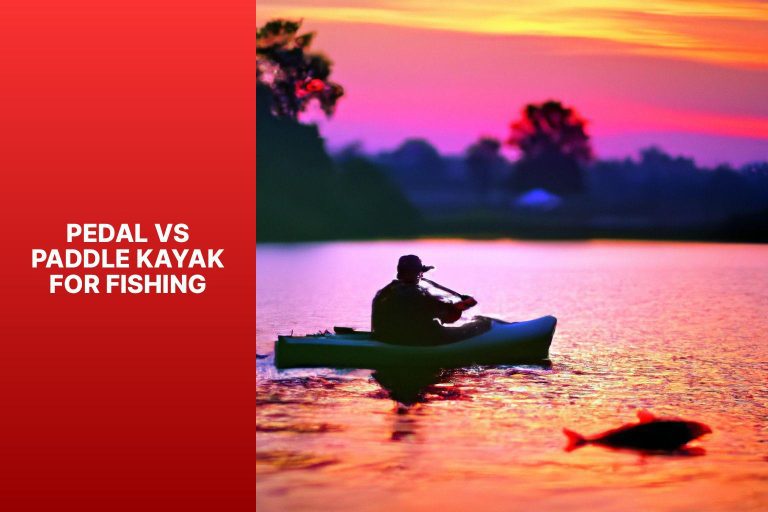
1. Type of propulsion: You have two options for kayak propulsion – paddle or pedal drive. Paddles offer simplicity and maneuverability, allowing easy control of the kayak. Pedal drives provide a hands-free experience, which is beneficial for long fishing trips or covering larger distances.
2. Efficiency and speed: Consider the efficiency and speed of the paddle or pedal drive based on your fishing style and preferences. Pedal drives offer faster and more consistent propulsion, ideal for trolling or covering larger areas. Paddles enable quick and agile movements, beneficial for maneuvering around obstacles or targeting specific spots.
3. Comfort and ease of use: Comfort is essential during long hours on the water. Look for ergonomics and adjustability in the paddle or pedal drive system. Features like adjustable seats, footrests, and ergonomic grips ensure a comfortable and efficient fishing experience.
4. Maintenance and durability: Choose a paddle or pedal drive built to withstand the challenges of kayak fishing. Look for high-quality materials and construction that can handle exposure to water, UV rays, and other environmental factors. Consider the maintenance requirements and ease of repairs for the chosen propulsion system.
3. Fishing Rods and Reels
To have a successful fishing experience for walleye in a kayak, it is important to use the right fishing rods and reels. Here are some essential gear to consider:
- For walleye fishing, it is recommended to use a medium to medium-heavy spinning rod. This type of rod offers the perfect combination of sensitivity and strength to effectively handle the fish.
- When selecting a reel for walleye fishing, opt for a spinning reel that has a smooth drag system. Look for a reel with a high gear ratio to ensure quick and efficient line retrieval.
- Ensure that the fishing line you choose has a test strength of 8-12 pounds. This will provide enough strength for walleye while also maintaining sensitivity and responsiveness.
- For lures in walleye fishing, a variety of jigs, crankbaits, and soft plastic baits are highly recommended.
- To safely handle the weight of walleye while in a kayak, make sure to have a quality landing net. Look for a net with a wide opening and a long handle for ease of use.
When choosing fishing rods and reels for walleye fishing in a kayak, it is important to consider the specific needs of the angler. It is crucial to select gear that offers the right balance of strength, sensitivity, and responsiveness. Having a variety of lures and a reliable landing net will greatly enhance the fishing experience. Always prioritize safety and be mindful of the environment while kayak fishing.
4. Tackle and Lures
When kayak fishing for walleye, it is crucial to have the correct tackle and lures. Here are some important considerations for selecting your equipment:
1. Jigs: Jigs are highly popular and effective lures for walleye fishing. It is advisable to choose a variety of colors and sizes to match the fishing conditions.
2. Crankbaits: Crankbaits allow you to cover a large area of water and tempt walleye. Look for crankbaits that imitate the local baitfish and vary their diving depth.
3. Soft plastic baits: Soft plastic baits such as swimbaits or grubs can be used in conjunction with jig heads or a drop-shot rig. These lures possess lifelike action and are capable of attracting even the most cautious walleye.
4. Live bait: Nightcrawlers, minnows, and leeches are all popular options for live bait. Utilize slip bobber or Lindy rigs to present the bait naturally and increase your chances of getting a bite.
5. Spinnerbaits: Spinnerbaits are highly effective in targeting active walleye. Opt for spinnerbaits that have flash and vibration blades to attract the fish.
Keep in mind that the ideal tackle and lures for kayak fishing for walleye may vary depending on the time of year, water conditions, and walleye behavior. It is a good idea to experiment with different options and adjust your approach as needed to increase your chances of success.
5. Safety Equipment
When kayak fishing for walleye, safety equipment is essential for ensuring your well-being. Here are five crucial pieces of safety equipment to consider incorporating into your kayaking adventures.
- Personal Flotation Device (PFD): It is vital to wear a properly-fitted PFD designed for kayaking. This device not only provides buoyancy but also allows freedom of movement, ensuring your safety on the water.
- Whistle or Air Horn: In case of an emergency, having a noise-making device such as a whistle or air horn is essential. These devices can attract attention and alert others to your situation.
- Safety Flag: Enhance your visibility to other boaters, especially in areas with heavy boat traffic, by attaching a safety flag to your kayak. This simple addition can greatly reduce the risk of accidents on the water.
- Bilge Pump or Sponge: Prevent capsizing by having tools readily available to remove water from your kayak. A bilge pump or sponge can effectively remove excess water, keeping you and your kayak safe.
- First Aid Kit: Accidents can happen, so it is essential to have a well-stocked first aid kit on board. Including items such as bandages, antiseptic ointment, and necessary medications ensures that you are prepared for any unforeseen injuries.
Now, let me share a true story that emphasizes the importance of safety equipment. John, a seasoned kayak angler, set out one morning to fish for walleye. Unfortunately, a sudden storm with strong winds and heavy rain caught him off guard. Because John was prepared with his PFD and whistle, he was able to quickly alert nearby boaters of his presence, ensuring his safety. Despite the challenging conditions, he also used his bilge pump to keep his kayak dry and safely returned to shore. This story serves as a testament to the significance of safety equipment when kayak fishing for walleye.
Best Techniques for Kayak Fishing for Walleye
Looking to up your game in kayak fishing for walleye? Look no further! This section covers the best techniques that will have you reeling in those walleye like a pro. From trolling and jigging to using live bait, we’ll dive into the exciting world of kayak fishing for walleye. Get ready to learn the secrets that will make your outings a walleye-catching adventure!
Trolling for Walleye in a Kayak
When trolling for walleye in a kayak, it is crucial to have the appropriate gear and employ effective techniques for a successful fishing trip. To achieve the right balance of sensitivity and strength needed for trolling, it is recommended to choose a medium to medium-light spinning rod and reel combination. It is advisable to opt for crankbaits or spinner rigs in silver, chartreuse, and perch patterns as they mimic the natural prey of walleye. To vary the depth at which you troll, it is beneficial to use different types of lures with varying diving depths.
To enhance your chances of attracting walleye, it is recommended to utilize downriggers or planer boards to control the depth at which your lures are running. The use of planer boards can assist in covering more water and expanding your trolling area. Maintaining a steady trolling speed of around 1 to 2 miles per hour is advisable as it makes your lure more enticing to walleye and increases the likelihood of getting a bite. It is also worth experimenting with trolling patterns such as zigzagging or figure-eight movements, as they simulate the movement of prey and may trigger a strike from walleye.
By incorporating these techniques and utilizing the suitable equipment, your chances of successfully trolling for walleye in a kayak will significantly increase.
Jigging for Walleye in a Kayak
– Choose the right fishing rod and reel: Use a medium to medium-heavy spinning rod and reel combo for walleye fishing. It should handle the weight of the fish and provide enough sensitivity for jigging.
– Select the appropriate jigging lure: Use a jigging lure designed for walleye, like a jighead with a soft plastic minnow or a blade bait. Choose a lure size and color that matches the conditions and walleye preferences.
– Position your kayak: Look for areas with structure, such as underwater rocks, weeds, or drop-offs. Position your kayak near these structures as walleye gather around them.
– Cast your lure: Make a long cast toward the target area and let the lure sink to the desired depth. Use your paddle or pedal drive to control the drift of your kayak and maintain your position.
– Jig your lure: Once the lure reaches the desired depth, start jigging by raising the rod tip and allowing it to fall back down. Experiment with different jigging techniques, such as a steady retrieve, a snap jig, or a yo-yo motion, to attract the walleye.
– Pay attention to bites: Watch for subtle or aggressive strikes on your line. Walleye bites can be light, so be vigilant and ready to set the hook. Use a sensitive rod and a smooth drag to detect and respond to bites effectively.
– Set the hook: When you feel a bite or see a line movement, swiftly and firmly raise your rod tip to set the hook. This will secure the hook in the walleye’s mouth.
– Fight and land the walleye: Once hooked, maintain steady pressure on the fish and keep it away from obstacles. Carefully reel in the walleye and be prepared to net or lip it once it reaches the kayak.
– Release or keep the walleye: If fishing for sport or catch-and-release, remove the hook and release the walleye. If keeping the fish, follow local regulations for size and bag limits.
– Practice safety: Wear a personal flotation device, carry necessary safety equipment, and be aware of your surroundings while jigging for walleye in a kayak. Stay updated on weather conditions and ensure you have the skills and experience to handle fishing challenges in a kayak.
Using Live Bait for Walleye in a Kayak
When fishing for walleye in a kayak, it’s important to incorporate the use of live bait. Choose the right live bait, such as nightcrawlers, leeches, or minnows, as these emit natural scents and movements that walleye find irresistible.
Rig your live bait properly to maximize your chances of catching walleye. Make sure to use a suitable hook size and tie it securely onto your fishing line. When using nightcrawlers, thread the entire worm onto the hook. For minnows or leeches, hook them either through the lips or the top of their bodies.
Controlling the depth is crucial when targeting walleye. Use a sinker or weight to reach the desired depth, considering that walleye are often found in deeper water. This adjustment can greatly improve your chances of success when using live bait.
Once your live bait is properly rigged and at the desired depth, it’s time to cast your line into the water. Use a slow and steady retrieve to mimic the natural movements of the bait. This technique will attract walleye and entice them to strike.
It’s important to pay attention to your surroundings while using live bait for walleye in a kayak. Keep an eye out for signs of walleye activity, such as baitfish schools or underwater structure. Adjust your tactics accordingly to increase your chances of a successful fishing trip.
Tips and Strategies for Kayak Fishing for Walleye
Get ready to level up your kayak fishing game for walleye with these valuable tips and strategies. Discover how to choose the perfect fishing location, understand the behavior of walleye, pick the best time of day, position your kayak effectively, and employ silent paddling techniques. These insider secrets will give you the edge you need to reel in those elusive walleye and make your kayak fishing experience truly unforgettable. So grab your gear and let’s dive in!
Selecting the Right Location
Selecting the Right Location
When kayak fishing for walleye, the right location is crucial for success. Consider these factors to find the perfect spot:
1. Depth: Walleye are often found in deeper waters, so look for locations with varying depths to increase your chances of finding them.
2. Structure: Walleye prefer areas with structure, such as weed beds, rock formations, or submerged logs. These structures provide hiding places for the fish and attract their prey.
3. Current: Look for areas with a moderate current, as walleye gather in these areas to feed on baitfish carried by the current.
4. Temperature: Walleye prefer water temperatures between 50-70°F. Use a fish finder or local fishing reports to identify areas with the right temperature range.
5. Prey: Walleye are attracted to areas with abundant prey, such as schools of shad or minnows.
Finding the right location may require some trial and error, but considering these factors and adapting to the conditions on the day will increase your chances of a successful walleye fishing trip.
Historically, walleye were abundant in North American lakes and rivers, and were popular among both recreational anglers and commercial fisheries. Overfishing and habitat loss have led to declines in walleye populations in some areas. To protect and restore walleye populations, conservation efforts, such as catch limits and habitat restoration, have been implemented. Anglers are encouraged to practice catch and release, follow fishing regulations, and support ongoing conservation initiatives to ensure the long-term sustainability of walleye populations.
Understanding the Behavior of Walleye
Understanding the behavior of walleye is crucial for successful kayak fishing. It helps determine their feeding patterns and locations, increasing chances of a successful catch.
– Behavior: Walleye are nocturnal feeders and are more active in low-light conditions such as dawn, dusk, and nighttime.
– Feeding: Walleye primarily feed on smaller fish, insects, and crustaceans. They ambush their prey by hiding in cover and pouncing on their target.
– Cover: Walleye prefer areas with structure like rocks, weed beds, and submerged logs. They use these areas for shelter and as vantage points for hunting.
– Depth: Walleye can be found at different depths depending on the time of year and water temperature. They stay in deeper waters during hot summer months and move to shallower areas in spring and fall.
– Temperature: Walleye are sensitive to water temperature. They are more active in cooler waters, and their behavior changes as water temperatures fluctuate.
By understanding the behavior of walleye, you can tailor your fishing techniques accordingly. For example, fishing at dawn or dusk can increase your chances of catching walleye. Targeting areas with structure and using lures that mimic the walleye’s natural prey can also improve your success rate. Monitoring water temperature and adjusting your fishing strategy accordingly can be beneficial.
Remember, each fishing excursion is unique, and walleye behavior can vary based on factors such as location and seasonal changes. Observing and learning from each trip will help you cultivate your proficiency in understanding and catching walleye while kayak fishing.
Choosing the Right Time of Day
When kayak fishing for walleye, the right time of day can greatly affect your success. Consider the following factors to determine the best time for your fishing expedition:
– Sunrise and sunset: Walleye are more active during low light conditions. Early morning and evening are prime times to catch walleye as they typically feed closer to the surface.
– Weather conditions: Walleye are more active during a change in weather. Overcast days or days with light rain can be ideal for walleye fishing as they are less likely to be spooked by anglers.
– Temperature: Water temperature plays a significant role in walleye behavior. They are more active in cooler water, so fishing during the early morning or late evening, when the water temperature is lower, can increase your chances of success.
– Seasonal patterns: Walleye have specific feeding habits depending on the season. In the spring, they are more active as they spawn and move to shallower waters. During the summer, they may be found in deeper waters during the day and closer to the shore in the early morning or evening.
– Water conditions: Pay attention to water clarity and current. Walleye prefer clear water, so if the water is murky after heavy rain, it may be more challenging to catch them.
Keep in mind that these are general guidelines, and walleye behavior can vary from one body of water to another. Research and talk to local anglers or fishing experts for specific recommendations based on your location. Happy fishing!
Proper Kayak Positioning
Proper kayak positioning is vital for a successful walleye fishing expedition. To achieve correct kayak positioning, consider the following steps:
1. Look for a serene and stable location on the water to anchor your kayak. Opt for areas with minimal current or wind disturbance.
2. Align your kayak parallel to the shore or structure where walleye tend to gather. This allows you to cast directly towards your target area.
3. Utilize your paddle to make subtle adjustments to your kayak’s position. Gentle strokes on one side of the kayak can help maintain the desired position without significantly disturbing the water.
4. Take into account the water’s depth. Walleye are often found in deeper areas, so positioning your kayak in or near these spots can enhance your chances of a successful catch.
5. Consider the direction of the current or wind. Position your kayak in a manner that enables you to cast your line against the current or wind, providing a more natural presentation for your bait or lure.
6. Stay alert and adapt your kayak position as needed. If you observe walleye congregating in a specific area, adjust your kayak’s position accordingly to increase your chances of hooking a fish.
7. Maintain a safe distance from other anglers or boaters to avoid potential collisions or disturbances.
By following these steps for proper kayak positioning, you’ll be well-prepared to effectively target walleye and enjoy a productive fishing experience.
Techniques for Silent Paddling
– Use a longer paddle stroke: Extend your paddle stroke near the water’s surface to minimize noise.
– Paddle softly: Use smooth and controlled paddle strokes to avoid unnecessary noise.
– Avoid scraping the paddle on the kayak: Keep the paddle parallel to the water’s surface to minimize contact with the kayak.
– Slow and steady strokes: Paddle at a deliberate pace to reduce splashing and disturbance in the water.
In the early 1800s, Native American tribes like the Ojibwe and Menominee used quiet birchbark canoes for fishing. These techniques have been passed down through generations and are still used by modern kayak anglers. By mastering silent paddling, anglers can increase their chances of catching fish without being detected.
Safety Precautions for Kayak Fishing for Walleye
Safety Precautions for Kayak Fishing for Walleye
When kayak fishing for walleye, prioritize safety. Follow these essential safety precautions:
- Wear a personal flotation device (PFD) at all times in the kayak for safety in case of an accident or capsize.
- Check the weather conditions before heading out. Avoid kayaking in strong winds, storms, or rough water as it can be dangerous.
- Inform someone about your fishing plans, including your expected return time and fishing location.
- Carry safety equipment such as a whistle, signal mirror, and waterproof flashlight. These items can help attract attention in case of an emergency.
- Stay alert and aware of your surroundings on the water. Watch for other boaters and potential hazards.
- Secure your fishing gear to the kayak to prevent accidents caused by equipment falling overboard.
- Practice proper kayak entry and exit techniques to minimize the risk of capsizing.
- Follow fishing regulations and have the necessary licenses and permits.
- Consider your physical abilities and limitations. Avoid kayaking in challenging conditions or locations.
By following these precautions, you can safely enjoy kayak fishing for walleye.